Dock Leaves and Stings!
Dock Leaves and Stings!Posted by Finnegan Flynn on 16-11-2026
Odd News
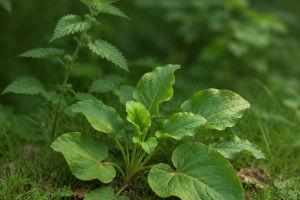
A familiar piece of countryside advice suggests rubbing a broad green dock leaf against the skin after brushing against stinging nettles. The remedy has been passed down through generations, and dock plants often grow close to nettles, making them an easy option when irritation begins.
However, does the traditional treatment have a genuine medicinal effect, or does relief come from something else? Research and expert explanations suggest that dock leaves probably do not contain any special substance capable of neutralizing nettle irritation.
Why Nettle Contact Causes Burning and Itching
Stinging nettles are covered with tiny, delicate hairs called trichomes. Their tips can break when the plant touches skin, exposing sharp points that release a mixture of biologically active substances. Among the chemicals involved are histamine, acetylcholine and serotonin. These substances activate sensory pathways, producing familiar symptoms such as burning, itching, redness and localized discomfort.
The reaction can vary according to the amount of contact and individual sensitivity. For most people, the irritation gradually settles without requiring specialized treatment. However, repeated scratching can make the affected area more uncomfortable.
Do Dock Leaves Contain Natural Relief Compounds?
Dock leaves have traditionally been described as a natural remedy, with some explanations suggesting that their sap might contain substances capable of counteracting nettle chemicals. There is currently little convincing evidence supporting this theory. Scientists have not established that dock sap contains meaningful quantities of compounds that act like antihistamines or directly neutralize the substances responsible for the reaction.
A more likely explanation involves sensory distraction. Rubbing a leaf against irritated skin creates additional sensations that can temporarily compete with the signals associated with discomfort. The attention directed toward finding and applying the leaf may also provide a brief distraction while the initial reaction begins to settle.
Plant sap may feel cool or soothing on the skin, but this effect is not exclusive to dock leaves. Other harmless leaves or simple physical contact could potentially produce a similar sensation.
What Does Scientific Research Say?
A small clinical experiment published in the Emergency Medicine Journal investigated whether dock leaves offered greater relief than an ordinary lettuce leaf. The Nettle-induced Urticaria Treatment Study, known as NUTS, involved nine medical students. Researchers deliberately exposed participants' forearms to nettles and then applied dock leaves to one arm and lettuce leaves to the other.
The experiment used lettuce as an active comparison because its leaves had a similar general texture and could create a comparable rubbing sensation without being expected to provide a specific medicinal effect. Participants recorded their discomfort at several intervals after treatment. The results showed no meaningful difference between the two types of leaves.
Why the Traditional Remedy Remains Popular
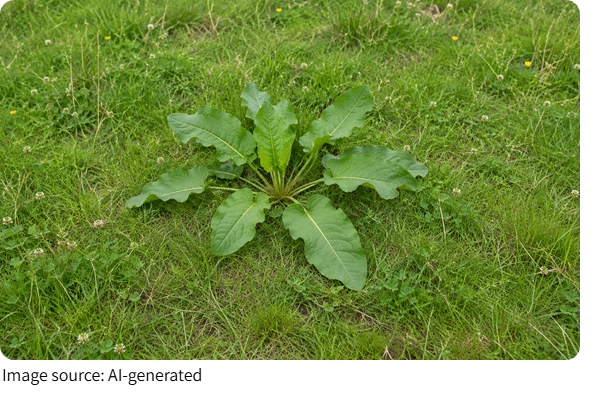
The continued popularity of dock leaves may have a practical explanation. Dock plants are relatively easy to recognize and commonly grow in similar environments to nettles. Their large leaves are also convenient to pick up and apply. Over generations, people may have associated the temporary improvement in discomfort with the plant itself. In reality, the irritation may already have been declining during the time spent searching for a leaf.
Expectation can also influence perceived relief. When someone believes a familiar remedy will help, the sensation of improvement may feel stronger. This is often discussed in relation to the placebo effect, in which expectations contribute to changes in how discomfort is experienced.
Expert Insight
John Tregoning, professor at Imperial College London and author of Live Forever? A Curious Scientist's Guide to Wellness, Ageing and Death, explained why the traditional remedy may appear effective despite limited evidence of a special medicinal property. Speaking to The Guardian, he said: “There's a limit to the number of sensations that the nerve cells can process, so if you overstimulate them with the rubbing there's less feedback from the pain.”
Safer Ways to Manage Nettle Irritation
After contact with nettles, gently washing the affected skin with cool water and mild soap can help remove plant material. Avoiding vigorous scratching is also sensible because additional irritation may make the area more uncomfortable. A cool, damp cloth can provide temporary comfort. For persistent itching, a pharmacist or healthcare professional can recommend suitable treatments, depending on individual circumstances.
Dock leaves are a familiar traditional response to nettle contact, but scientific evidence does not demonstrate that they possess a unique healing property. A small controlled experiment found no meaningful advantage over lettuce leaves, suggesting that rubbing, cooling sensations and expectation may explain much of the perceived relief.
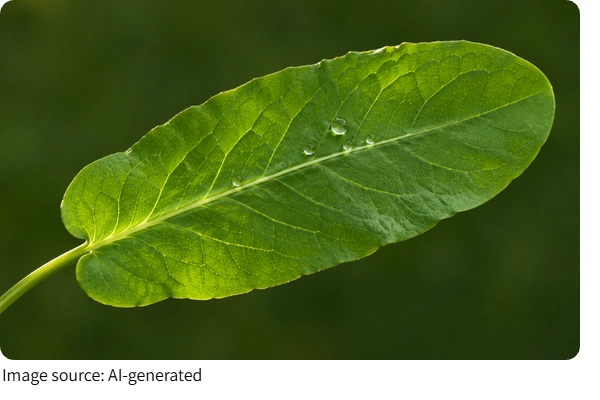
The remedy may remain a harmless countryside tradition when applied gently, but it should not be confused with a proven treatment. Understanding how nettle hairs trigger irritation provides a clearer explanation of why discomfort occurs and how to manage it safely.
Popular
Tech-Related Body Strain
Spending long hours on screens? Small posture changes may help reduce everyday neck and wrist strain!
Steps for Brain Health
Can walking more support brain health? Daily steps may help protect memory as the brain ages!
Whole Fruit Benefits!
Is whole fruit better than juice? New research highlights their different effects on heart health!
Europe's Payment Shift
How will Europe reshape digital payments? New systems aim to make everyday transactions easier!