EU Rules For Delivery
EU Rules For DeliveryPosted by Rafael on 02-11-2026
Odd News
Getting a parcel from a distribution centre to someone's doorstep may look simple, but the final stage of delivery involves many moving parts.
Across Europe, several regulatory frameworks influence how last-mile logistics operates. Rather than treating every requirement as an obstacle, delivery companies can use clear planning and the right technology to make compliance part of a more effective business model.

1. Driving Hours and Rest Periods
Delivery schedules depend heavily on drivers, making working-time rules an important part of daily operations. European regulations set limits on driving hours and require suitable breaks and rest periods for drivers operating vehicles covered by the rules. These requirements are designed to support road safety and prevent excessively long periods behind the wheel. For logistics companies, they also provide a reason to review how routes and delivery windows are organised.
2. Smart Tachographs and Accurate Records
Tachographs record important information about a vehicle's use, including driving time and rest periods. Modern smart versions can also collect location-related information and help authorities check whether transport operations follow applicable requirements. From July 1, 2026, the rules were extended to certain light commercial vehicles weighing more than 2.5 tonnes and up to 3.5 tonnes when used for international goods transport or cabotage for hire or reward.
This means some van operators that previously worked outside these requirements now need to prepare for additional equipment and record-keeping responsibilities. Companies affected by the extension need to check which vehicles fall within its scope, arrange suitable tachographs, and train drivers to use them correctly.
3. Rules for Drivers Working Across Borders
Last-mile businesses sometimes operate across national boundaries, particularly when serving several cities or countries from one distribution network. In certain cross-border situations, drivers may be considered posted workers. This can trigger additional administrative duties and requirements concerning employment conditions.
The rules depend on the type of transport operation. Cabotage, for example, involves carrying goods between locations within a country where the transport company is not established. Cross-trade refers to transport between two countries other than the country where the operator is based.
They must also consider the applicable employment conditions in the country where the driver is working. For operators, clear procedures can reduce confusion when vehicles move between markets. Keeping transport documents organised and ensuring that drivers understand their responsibilities can make cross-border deliveries easier to manage.
4. Cleaner Vehicles and Urban Access
Many European cities are introducing or operating low-emission and zero-emission zones to manage vehicle pollution in busy urban areas. The exact requirements differ between locations, so delivery companies cannot assume that a vehicle permitted in one city will automatically have access to another.
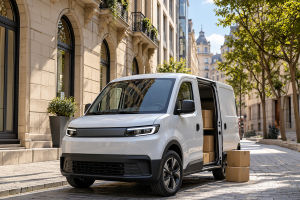
This makes fleet planning particularly important for businesses handling frequent city deliveries. Operators need to check local vehicle requirements, access schedules, and any registration procedures before assigning routes. Electric vans, cargo bikes, and smaller delivery vehicles can provide alternatives for suitable urban journeys.
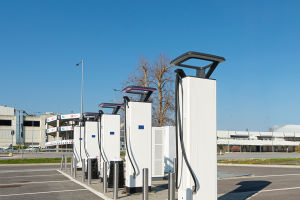
5. Charging Infrastructure and Alternative Fuels
The transition towards cleaner delivery vehicles depends on having suitable energy infrastructure. Europe's Alternative Fuels Infrastructure Regulation, known as AFIR, establishes requirements intended to support the development of publicly accessible charging and alternative-fuel facilities.
For last-mile operators, charging availability matters both on delivery routes and at company depots. Vehicles that return to a central location each evening may be suitable for scheduled depot charging, while businesses operating across larger areas may need access to public facilities.
Fleet managers should consider charging time, electricity capacity, vehicle range, and daily mileage before replacing existing vans. They should also plan how vehicles will be assigned while charging equipment is unavailable or undergoing maintenance.
Making Compliance Part of Better Planning
The five areas are connected. Driver schedules influence route design, vehicle technology affects operating costs, and local access requirements determine which vehicles can complete certain deliveries. Treating each requirement separately can create unnecessary administrative work.
Digital fleet management systems can help bring relevant information together. Route planners can account for driving limits, delivery windows, vehicle restrictions, and charging needs. Regular checks of local requirements are equally important because rules and access conditions may differ between cities and countries.
Smaller delivery businesses can benefit from simple, consistent procedures rather than complicated systems. Reviewing vehicle documents, training drivers, and checking routes before departure are practical steps that support reliable operations.
European requirements shape many aspects of last-mile delivery, from driver schedules and vehicle records to urban access and energy infrastructure. While compliance requires preparation, it can also encourage better planning and more responsible use of fleet resources.

Companies that understand the rules and include them in everyday decisions are better placed to avoid disruptions, manage costs, and serve customers consistently. The most effective last-mile operation is not simply one that delivers quickly, but one that combines dependable service with safe working practices and vehicles suited to the places they serve.
Popular
Europe's Electric Car Divide
Japan challenges proposed EU incentives for electric vehicles, raising questions over competition, manufacturing and consumer choice.
Europe's Electric Car Boom
Electric cars are gaining ground in Europe, but new figures show huge gaps between leading and lagging countries.
Europe's Car Industry Crisis
European carmakers face growing competition, falling exports and job losses as the EV transition accelerates.
EV Boom Tests Grids!
Europe's EV boom tests charging networks, power grids and policy as demand keeps growing!