Rehabilitation Exercises
Rehabilitation ExercisesPosted by Declan Kennedy on 13-10-2026
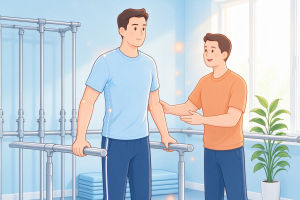
Healthy Life
Physical rehabilitation exercises help people restore movement, improve physical function, and regain independence after an injury, surgery, illness, or period of reduced activity.
A personalized program may include gentle joint movements, strengthening activities, balance training, and practical exercises that prepare the body for everyday tasks.
The most effective approach depends on individual needs, physical abilities, and recovery goals. With appropriate guidance and gradual progression, rehabilitation can support lasting improvements in mobility, coordination, and functional strength.
Key Benefits of Rehabilitation
Rehabilitation focuses on helping people move more comfortably and perform daily activities with greater ease. Its benefits depend on the condition being treated and the exercises selected.
“Physiotherapy is a treatment that can ease pain and improve movement if you have an injury, illness or disability.” — National Health Service.
- Improved joint mobility: Controlled movements help maintain flexibility and support a comfortable range of motion.
- Increased strength: Resistance exercises develop the muscles needed for standing, walking, lifting, and changing positions.
- Better coordination: Repeated, controlled movements help improve the timing and control of physical actions.
- Enhanced balance: Targeted practice develops stability during standing, walking, and turning.
- Greater independence: Functional training helps people build the skills needed for everyday routines.
Essential Types of Rehabilitation Exercises
A rehabilitation program may combine several exercise types to address mobility, strength, balance, and functional ability. Each activity should match the person's condition and stage of recovery.
Range-of-Motion Exercises
Gentle joint movements help maintain or improve flexibility. Examples include bending and straightening the knees, moving the ankles, and performing controlled shoulder movements. The appropriate range and technique depend on the individual's needs and any movement restrictions.
Strengthening Exercises
Strengthening activities help rebuild the muscles used for daily movement. Options may include seated knee extensions, supported sit-to-stand movements, resistance-band exercises, and light weights. Begin with manageable resistance and increase the challenge gradually according to the rehabilitation plan.
Balance Training
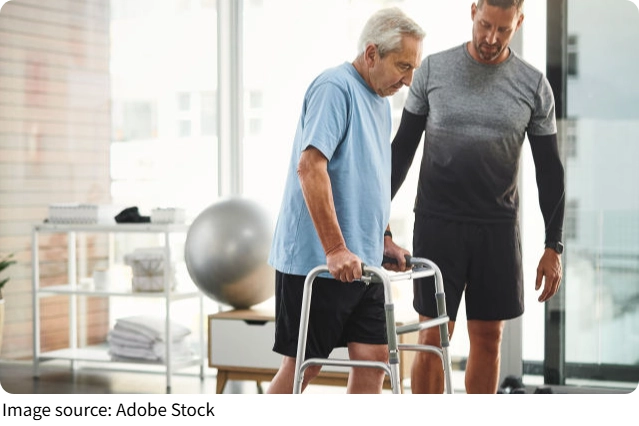
Balance exercises develop stability while standing and moving. Suitable activities may include gentle weight shifts, supported standing with feet slightly apart, and heel raises while holding a sturdy surface. People who require additional support should practice with appropriate assistance or professional supervision.
Walking and Functional Training
Walking practice can help develop endurance, coordination, and confidence with movement. Functional exercises may include rising from a chair, taking controlled steps, and practicing everyday transfers. These activities help connect rehabilitation exercises with practical daily tasks.
Balance Training for Everyday Stability
Balance training helps people develop better control of their body position during daily activities. A rehabilitation professional may recommend exercises such as:
- Supported weight shifts: Move your weight gently from one side to the other while holding a stable surface.
- Sit-to-stand practice: Rise from a firm chair and return to a seated position with controlled movement.
- Supported heel raises: Lift your heels while holding a sturdy countertop or fixed support.
- Controlled stepping: Practice small forward or sideways steps in a clear space, using assistance when needed.
Choose exercises appropriate for your current ability. Wear secure footwear, keep the practice area clear, and use support to maintain stability. More challenging movements should be introduced according to professional guidance.
How to Make Rehabilitation More Effective
A consistent and carefully planned routine can help people make steady progress throughout recovery.
Follow an Individualized Program
A qualified healthcare professional or physical therapist can select appropriate exercises, demonstrate proper technique, and establish achievable goals.
Progress Gradually
Begin with manageable movements and increase repetitions, resistance, or duration according to your prescribed plan and physical response.
Focus on Movement Quality
Controlled technique and proper positioning are more important than speed. Follow any instructions about joint movement and weight-bearing limits.
Maintain a Regular Routine
Practice at the recommended frequency and record meaningful improvements in movement, strength, or everyday function.
Allow Time for Recovery
Balance exercise with appropriate rest and follow your rehabilitation team's recommendations for recovery periods.
Pay Attention to Symptoms
Pause an exercise if you experience sharp or increasing pain, significant dizziness, chest discomfort, or unusual shortness of breath. Seek appropriate medical advice, and obtain urgent care for severe or sudden symptoms.
When to Seek Professional Guidance
Professional assessment helps ensure that exercises are suitable for the condition being treated. Guidance is particularly important after surgery, following a significant injury, or when a health condition affects movement, coordination, or balance.
A rehabilitation specialist can assess physical abilities, explain suitable techniques, and adjust the program as recovery progresses. People recovering from surgery should follow their healthcare team's instructions regarding movement restrictions, weight-bearing, and the timing of specific activities.
Regular reviews can also help determine when to progress to more demanding exercises or introduce new functional goals.
Supporting Long-Term Mobility and Independence
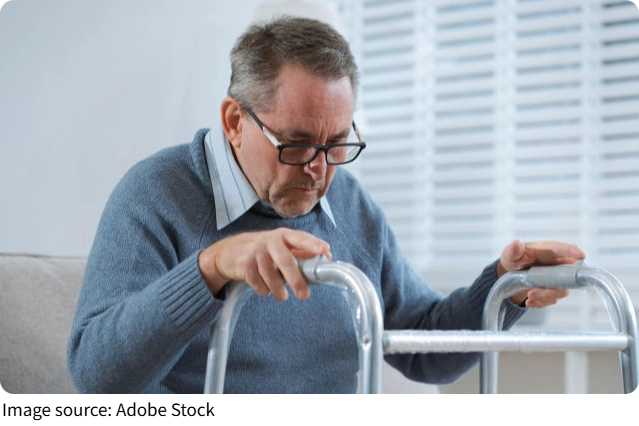
Physical rehabilitation combines purposeful movement, strengthening, balance practice, and functional training to help people improve their physical abilities. The right program focuses on individual goals and builds skills that transfer to everyday life.
With consistent practice, appropriate progression, and professional guidance when needed, rehabilitation can help people move with greater confidence and maintain their independence over time.
Popular
Bitcoin vs. Wheat Hedging
What research says about Bitcoin and farm commodities as inflation hedges, and what holders can do.
Unit Economics at Scale
Why more customers do not always mean more profit, and how to tell whether growth is healthy.
Climate Investing Timelines
How short-term swings and long-term growth differ in green assets, and how to balance the two in a portfolio.
Ways to Get Bitcoin Safely
From exchanges and mining to cashback apps, here is how each route works and how to protect your coins.