Tanjung Rhu
Tanjung RhuPosted by Nolan O'Connor on 25-09-2026
Localized Content
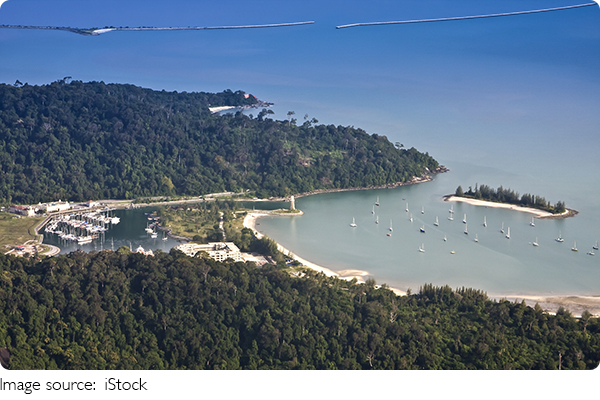
Hi, Lykkers! Tanjung Rhu Beach is one of Langkawi’s well-known beaches, located on the northern cape of the island in Kedah, Malaysia.
About 22 kilometres north of Kuah, the beach is known for its wide sandy shoreline, calm atmosphere, and views of nearby islands. Its name comes from the abundance of casuarina trees growing along the coast.
A Peaceful Northern Beach
Tanjung Rhu offers a quieter setting compared with some of Langkawi’s busier beach areas. The sandy shoreline provides space for visitors to relax, enjoy the coastal scenery, or spend time outdoors. Tourism Malaysia describes the beach as a suitable place for a picnic, with a tranquil natural setting.
The beach is also surrounded by the natural landscapes that make Langkawi a popular destination. Langkawi forms part of an archipelago of 99 islands and is recognized as a UNESCO Global Geopark for its geological heritage and distinctive natural formations.
Views of Nearby Islands
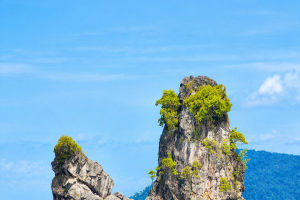
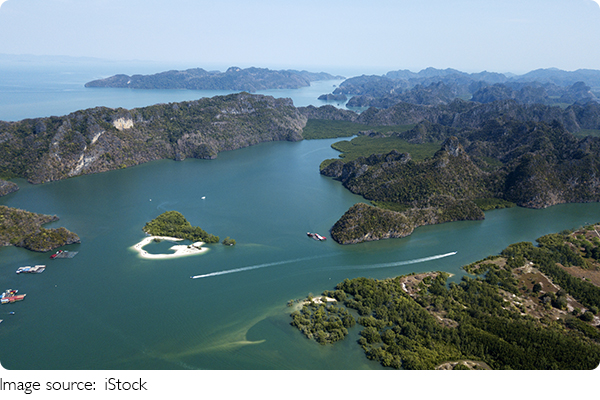
One of the defining features of Tanjung Rhu is its view of the islands and rocky formations located offshore. Tourism Malaysia notes that some nearby islands can be reached on foot during low tide. The changing coastline and surrounding sea create a scenic setting for photography and leisurely walks.
The beach is particularly attractive for visitors who prefer enjoying natural scenery at a relaxed pace. Its open shoreline also provides a clear view across the water toward the surrounding islands.
Tanjung Rhu Beach
Activities Around Tanjung Rhu
Tanjung Rhu is suitable for simple beach activities such as walking, relaxing, and having a picnic. Water-based activities are also available in the wider Tanjung Rhu area, while nearby mangrove and coastal landscapes offer opportunities for nature-based excursions.
Visitors interested in exploring the surrounding area can also join a Langkawi UNESCO Global Geopark mangrove cruise from the Tanjung Rhu and Kisap rivers. These excursions showcase limestone cliffs, sea stacks, and other geological features around the northern part of Langkawi.
How to Get There
Tanjung Rhu Beach is located around 22 kilometres north of Kuah, the main town on Langkawi. Visitors can reach the beach by road from other parts of the island. Langkawi itself can be reached by air or sea, with the island having an international airport and ferry connections to the mainland.
Entrance Fee and Opening Hours
Tourism Malaysia does not list a standard entrance fee or fixed opening hours for Tanjung Rhu Beach in its destination information. Therefore, no specific admission price is stated here. Visitors should check local conditions before visiting, particularly if planning activities that depend on the tide.
Tips for Visitors
A visit in the morning or late afternoon can provide a more comfortable time for enjoying the beach. Visitors should bring drinking water, sun protection, and suitable footwear for walking along the shoreline.
Those planning to explore areas accessible during low tide should check the tide conditions beforehand and avoid walking too far from the main beach area. Keeping the beach clean also helps preserve its natural surroundings.
A Scenic Langkawi Escape
Tanjung Rhu Beach combines a wide sandy shoreline, casuarina trees, and views of nearby islands in one of Langkawi’s quieter coastal settings.
With its natural scenery and opportunities for simple outdoor activities, the beach offers a relaxing way to experience the northern side of the island.
Popular
Fort Worth Uncovered
Three days of cowboy heritage, world-class art and irresistible Texan food reveal a surprisingly sophisticated side of Fort Worth.
New Mexico Revealed
From adobe villages to white dunes: landscapes, culture and treasures of New Mexico.
Morocco By Rail
From high-speed trains to overnight adventures, discover Morocco’s remarkable railway journeys and explore the country for less.
Rome Without The Rush
From hidden trattorias to ancient landmarks, discover how to enjoy Rome without overspending or getting lost in tourist crowds.