Dumbbell Full-Body Workout
Dumbbell Full-Body WorkoutPosted by Yuna on 17-09-2026
Useful Tips
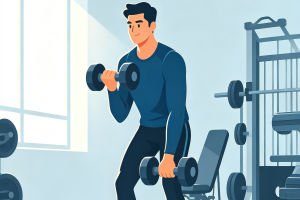
Strength training does not require a long gym session. With a pair of dumbbells and enough room to move safely, you can create an efficient full-body workout that trains the major muscle groups.
A well-designed session combines compound exercises with targeted movements, using appropriate resistance and precise technique throughout.
Train the Lower Body
Start with exercises that develop strength through the legs and hips.
The dumbbell sumo squat is an effective lower-body movement. Stand with your feet wider than shoulder-width apart and hold one dumbbell in front of your body. Keep your chest lifted as you bend your knees and lower your hips. Push through your feet to return to the starting position, keeping your knees aligned with your toes.
The dumbbell Romanian deadlift emphasizes the hips and the back of the legs. Hold a dumbbell in each hand, keep your knees slightly bent, and move your hips backward while maintaining a neutral back. Lower the weights along your legs until you feel tension through the back of your legs, then drive your hips forward to return to standing.
Step-ups introduce a single-leg exercise that also challenges balance and coordination. Hold the dumbbells at your sides, place one foot firmly on a stable step, and push through that leg to bring the other foot up. Step down carefully and alternate sides.
Add Dynamic Movements
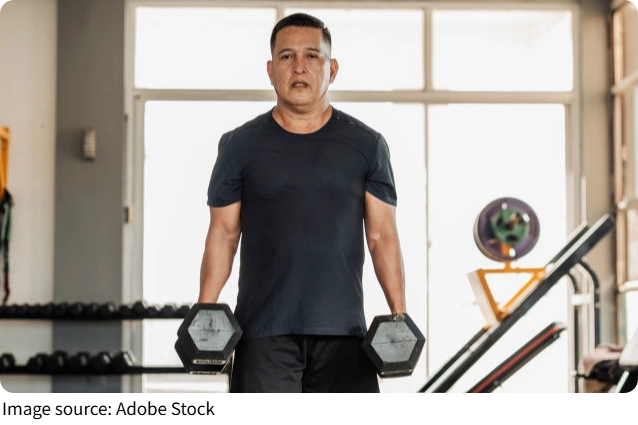
Dynamic exercises can introduce greater coordination while connecting lower- and upper-body movement.
A dumbbell high pull involves the legs, hips, and upper body. Begin with the dumbbells near your thighs, bend your hips and knees, then drive upward through your legs while bringing the weights toward shoulder level. Use a manageable resistance and learn the movement pattern before progressing.
A single-arm dumbbell swing centers on powerful hip movement. Hold one dumbbell securely, hinge at the hips, and guide the weight between your legs. Drive your hips forward to move the dumbbell upward, allowing the arm to follow the motion rather than lifting primarily with the arm.
These exercises require coordination, so maintain a controlled movement pattern throughout each repetition.
Work the Back and Chest
The bent-over dumbbell row provides an effective pulling exercise for the back. Stand with your knees slightly bent and hinge forward while keeping your back stable. Allow the dumbbells to hang naturally, then pull them toward your torso by driving your elbows backward. Pause briefly before lowering the weights.
The dumbbell floor press is a useful chest exercise when a bench is unavailable. Lie on your back with your knees bent and feet planted on the floor. Hold the dumbbells above your chest, lower them under control until your upper arms approach the floor, then press them upward.
Keep your shoulders stable and avoid momentum throughout the movement.
Develop the Shoulders and Arms
The standing dumbbell lateral raise targets the shoulders. Stand upright with a dumbbell in each hand and raise your arms outward with a slight bend in your elbows. Stop at a comfortable height, then lower the weights smoothly.
For the arms, alternating hammer curls provide a simple finishing exercise. Hold the dumbbells with your palms facing inward and keep your upper arms close to your body. Curl one dumbbell upward, lower it steadily, and then switch sides.
These exercises work well toward the end of the session after the larger movements.
Build a Sustainable Routine
Select a resistance that allows you to maintain proper technique throughout each set. Beginners can start with lighter dumbbells and gradually increase the load as their movement skills develop.
The U.S. Department of Health and Human Services explains that “Muscle-strengthening activities make muscles do more work than they are accustomed to doing.” This principle reflects how resistance exercises such as dumbbell squats, rows, presses, and curls challenge the muscles during training.
For many exercises, 8–15 repetitions per set can serve as a practical starting range. The number of sets and rest periods can be adjusted according to training experience, exercise difficulty, and overall workload.
A clear exercise selection and gradual progression can make a home strength routine easier to maintain as part of regular training.
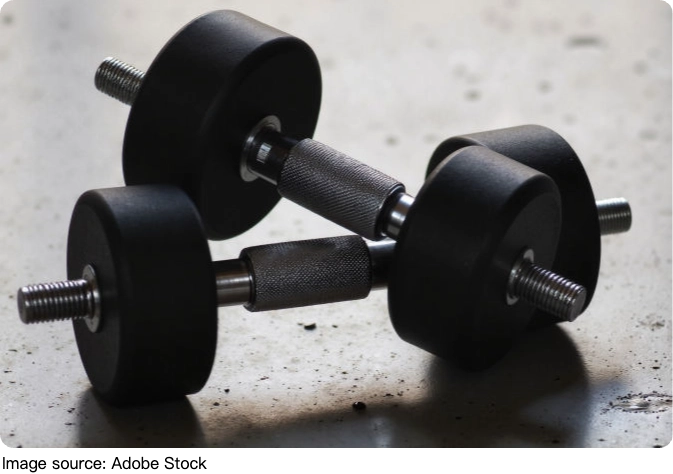
Dumbbells provide enough versatility to create a comprehensive home strength session. Combining squats, hip-focused exercises, rows, presses, raises, and curls allows you to train multiple major muscle groups with relatively little equipment.
Choose suitable resistance, focus on precise movement, and progress gradually as your strength and technique improve.
Popular
Connected Growth Networks
The Collaboration Economy Is Here And It’s Reshaping Global Wealth!
Shared Wealth Strategy
Inside the ‘Invisible System’ That Helps Families Stay Wealthy for Decades!
Wealth Building Debate
Active or Passive? The Wealth-Building Debate Every Investor Must Know!
Change Creates Success
How Flexibility Became the Ultimate Wealth-Building Secret!