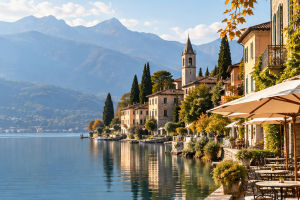
Europe’s Hidden City Breaks
Europe’s Hidden City BreaksPosted by Naveen Kumar on 15-09-2026
On Trend
Europe’s most famous cities attract millions of visitors every year, but some of the continent’s most rewarding experiences can be found beyond the usual tourist routes. Smaller cities combine world-class museums, unique architecture and local traditions while offering a calmer atmosphere and better value.
From creative French neighbourhoods to Renaissance treasures and medieval streets, these destinations prove that a memorable city break does not need to involve long queues.
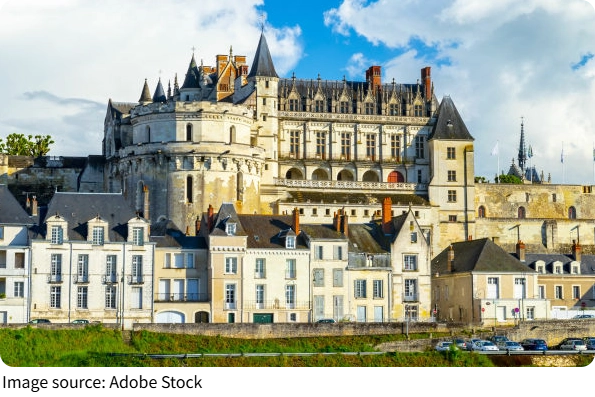
Nantes: France’s Creative City By The Loire
On the banks of the Loire River, Nantes has transformed its industrial past into one of France’s most imaginative cultural destinations. Once a major shipbuilding centre, the city has turned its former docklands into a creative area inspired by the legacy of writer Jules Verne, who was born here.
The most unusual attraction is Les Machines de l’Île, an artistic project combining engineering, theatre and sculpture. Visitors can climb aboard the famous Grand Éléphant, a 12-metre mechanical elephant that walks through the former shipyard area, or discover fantastic creatures inside the Galerie des Machines.
Another highlight is the Carrousel des Mondes Marins, a three-level carousel inspired by Verne’s underwater adventures. It offers a unique experience for both adults and children, blending technology with storytelling.
Nantes is also ideal for walking. The Ligne Verte (Green Line) connects many of the city’s main attractions, including the medieval Château des ducs de Bretagne, the Musée d’arts de Nantes and the beautiful Jardin des Plantes.
Travel information:
Tickets for Les Machines de l’Île cost around €10–15, depending on the attraction. The site is generally open from Tuesday to Sunday, with opening times changing seasonally. A comfortable budget for Nantes is approximately €90–150 per day, including accommodation, meals and sightseeing.
For a memorable meal, visit La Cigale, an Art Nouveau brasserie near Place Graslin, where traditional French seafood dishes are served in a historic interior.
Nantes
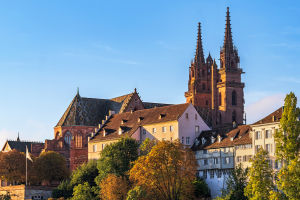
Basel: Switzerland’s Art And Design Hub
Located on the Rhine River, Basel is often overlooked by travellers heading to Zurich, but it is one of Europe’s most impressive destinations for art lovers. The city combines a charming old town with internationally recognised museums and innovative architecture.
The Kunstmuseum Basel houses one of Switzerland’s largest art collections, with works spanning centuries and featuring artists such as Monet, Van Gogh and Warhol. The Museum Tinguely offers a completely different experience, showcasing the mechanical and playful creations of Swiss artist Jean Tinguely.
Outside the city centre, visitors should explore the Fondation Beyeler, known for its modern and contemporary art exhibitions, and the Vitra Design Museum across the German border. The Vitra campus itself is an attraction, featuring buildings designed by famous architects including Frank Gehry and Zaha Hadid.
Travel information:
Basel is more expensive than many European city breaks. Travellers should expect to spend around €170–250 per day, including accommodation, meals and museums. Museum tickets usually cost €15–25, while central hotels often start from around €150 per night.
During warm months, locals enjoy swimming in the Rhine, a unique tradition that offers visitors a different way to experience the city.
Lübeck: Germany’s Hanseatic Treasure
Northern Germany’s Lübeck offers a rare combination of medieval architecture, maritime history and relaxed northern charm. Once the centre of the powerful Hanseatic League, the city’s historic old town is now recognised as a UNESCO World Heritage Site.
The iconic Holsten Gate welcomes visitors into a world of red-brick cathedral, hidden courtyards and narrow streets. Many of the old merchant houses hide peaceful passages and gardens that reveal another side of medieval life.
The European Hansemuseum explains how Lübeck became one of Europe’s most important trading centres, while the Museum Behnhaus Drägerhaus presents German and European art from the 19th and early 20th centuries.
A boat trip around the old town island is one of the best ways to admire the city’s seven cathedral towers and historic skyline.
Travel information:
Lübeck is a relatively affordable destination, with a daily budget of around €100–160. Boat tours cost approximately €8–10 per person, while traditional restaurants offer local dishes for around €15–25.
Visitors should try Schiffergesellschaft, a historic restaurant serving regional seafood and northern German specialities.
Parma: Italy’s Quiet Renaissance Gem
While cities such as Venice and Florence struggle with overcrowding, Parma offers a more peaceful way to experience Italian culture. This elegant city combines Renaissance art and one of Italy’s greatest culinary traditions.
The centre is easy to explore on foot, beginning with the impressive Parma Cathedral and the nearby Baptistery, famous for its medieval architecture and colourful interior decorations.
The main attraction is the Palazzo della Pilotta, a grand cultural complex containing museums, the historic Teatro Farnese and the Galleria Nazionale di Parma. Visitors can admire masterpieces by Leonardo da Vinci, Tintoretto and Canaletto without the crowds found in Italy’s most famous galleries.
Parma is equally famous for food. Travellers should try Prosciutto di Parma, Parmigiano Reggiano and traditional pasta dishes in local trattorias.
Travel information:
The Palazzo della Pilotta ticket costs around €18 and includes access to several attractions. A comfortable daily budget in Parma is approximately €100–170. Traditional restaurants often offer homemade pasta dishes for under €15.
For an authentic local meal, visit Trattoria Corrieri, one of the city’s historic restaurants known for traditional cuisine.
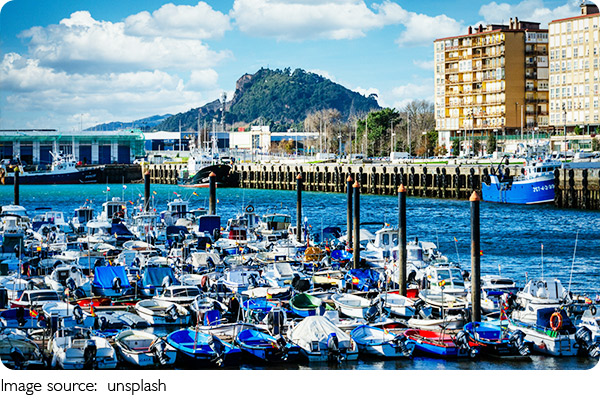
Santander: Spain’s Coastal Cultural Escape
On Spain’s northern coast, Santander combines beautiful beaches, elegant architecture and a growing cultural scene. Once considered mainly a ferry stop, the city is now becoming one of Spain’s most interesting destinations for a short break.
The waterfront Centro Botín, designed by architect Renzo Piano, is the city’s modern cultural landmark. Its exhibitions feature international contemporary artists, while the new Faro Santander expands the city’s museum offering with works from Banco Santander’s collection.
Beyond culture, Santander is known for its relaxed coastal atmosphere. El Sardinero Beach is only a short bus ride from the centre, while local restaurants serve excellent seafood and traditional pinchos.
Travel information:
Santander is one of the most affordable destinations on this list, with a daily budget of around €80–140. Museum tickets generally cost €5–10, and comfortable hotels can often be found from approximately €70 per night.
For local cuisine, try seafood restaurants near the waterfront or traditional bars serving Cantabrian-style pinchos.
These underrated European cities show that the best city breaks are not always found in the most famous capitals. With fewer crowds, rich cultural experiences and a more authentic atmosphere, they offer travellers the chance to explore Europe at a slower and more rewarding pace.
Popular
Beijing Like Locals
Stop Wasting Money on Tourist Food in Beijing — Go Where Locals Actually Eat!
Downtown Chicago Guide
You Can See Chicago From 103 Floors Up — But Only If You Know This Trick!
Lodz: Film And Factories
Lodz combines cinematic heritage, vast red-brick mills and creative districts in one of Poland’s most unusual city breaks.
Europe Under €100 A Day
From Tirana to Porto, these European city breaks offer hotels, meals and transport for around €100 a day or less.