A UNESCO Treasure In Italy
A UNESCO Treasure In ItalyPosted by Mei on 15-09-2026
Holiday Topics
Located in the heart of Padua, Italy, the Botanical Garden of Padua is one of Europe’s most important historical gardens and a landmark in the development of modern botanical science. Founded in 1545, it is considered the oldest university botanical garden in the world that has remained in its original location.
Recognized as a UNESCO World Heritage Site in 1997, the garden represents centuries of scientific research, plant exploration and knowledge exchange between different regions of the world.

A Renaissance Garden That Changed Botany
The Botanical Garden of Padua was created during the Renaissance period as part of the University of Padua’s medical education programme. At the time, studying medicinal plants was essential for future doctors and pharmacists, and the garden was designed as a living classroom where students could identify and study plants used in treatments.
The original design, known as the Hortus Cinctus, features a unique geometric structure based on a circular shape inside a square enclosure. This arrangement reflected Renaissance ideas about order, harmony and scientific observation. Over the centuries, the garden became a model for botanical gardens throughout Europe and played an important role in introducing exotic plant species to European researchers.
What To See Inside The Garden
Today, the Botanical Garden of Padua covers around 3.5 hectares and contains more than 3,500 plant species. Visitors can explore both historical sections and modern spaces dedicated to conservation, climate research and environmental education.
One of the most famous attractions is Goethe’s Palm, a date palm planted in 1585. The tree became associated with German writer Johann Wolfgang von Goethe after his visit to Italy, when he observed the plant during his journey and later mentioned it in his writings.
The historic Renaissance area remains the centrepiece of the garden. Walking through its carefully planned layout allows visitors to experience the atmosphere that surrounded scientists and medical students more than 450 years ago.
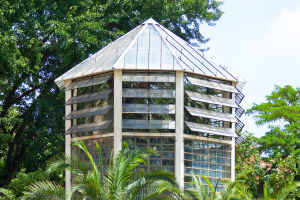
Another highlight is the Garden of Biodiversity, a modern greenhouse complex that recreates different climate zones from around the world. Through interactive exhibitions, visitors can learn how plants adapt to extreme environments and how ecosystems respond to climate change.
The Botanical Museum provides another perspective on the garden’s history. Its collections explain how botanical research developed over centuries and demonstrate the importance of preserving scientific records.
Why The Garden Is Worth Visiting
The Botanical Garden of Padua is more than a beautiful green space. It functions as a scientific laboratory where plants are carefully catalogued, researched and protected. Its collection reflects centuries of global exploration and cooperation between scientists from different countries.
The garden is especially interesting for travellers who want to combine culture, history and nature in one visit. It offers a quieter experience compared with Padua’s busy historical attractions while providing a deeper understanding of how humans have studied and interacted with the natural world.
Botanical Garden of Padua

Practical Tips For Visitors
The garden is located in central Padua, within walking distance of famous landmarks such as Prato della Valle and the Basilica of Saint Anthony. It can easily be included in a city walking itinerary.
The Botanical Garden of Padua is open throughout the year, although opening hours vary depending on the season. Visitors should check the official schedule before travelling. The standard entrance ticket costs around €10 for adults, with reduced prices available for students and younger visitors. Combined tickets and special exhibitions may have different prices.
Visitors should allow at least one hour to explore the site, although those interested in plants, architecture or photography may prefer to spend more time. The Garden of Biodiversity and greenhouse areas are especially worth visiting at a slower pace.
Popular
Beijing Like Locals
Stop Wasting Money on Tourist Food in Beijing — Go Where Locals Actually Eat!
Downtown Chicago Guide
You Can See Chicago From 103 Floors Up — But Only If You Know This Trick!
Lodz: Film And Factories
Lodz combines cinematic heritage, vast red-brick mills and creative districts in one of Poland’s most unusual city breaks.
Europe Under €100 A Day
From Tirana to Porto, these European city breaks offer hotels, meals and transport for around €100 a day or less.