Tiny Panda, Huge Mystery!
Tiny Panda, Huge Mystery!Posted by Nolan O'Connor on 25-08-2026
Wild Animals
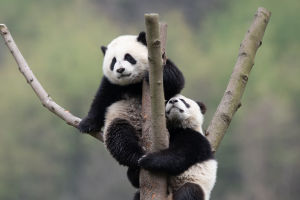
Good day, Friends! A newborn giant panda typically weighs only about 85 to 142 grams. That is remarkably small compared with its mother, which can weigh hundreds of pounds.
This huge size difference is linked to the way giant panda reproduction and early development occur. Much of the cub's physical growth happens after birth, allowing it to gradually develop into the much larger animal seen later in life.
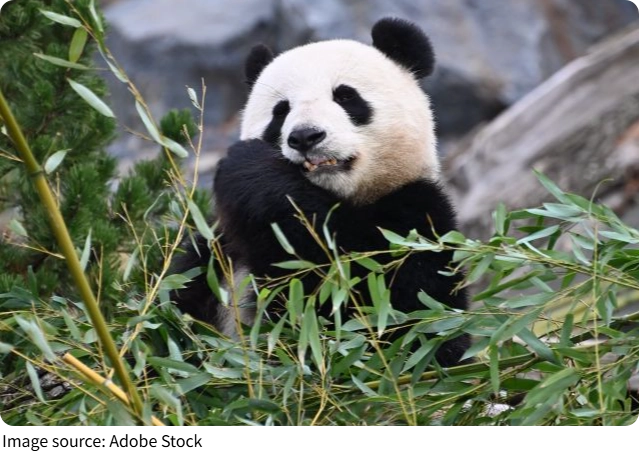
A Huge Difference at Birth
Newborn giant pandas are among the smallest mammal newborns relative to their mother's size. A cub can be about 1/900 the size of its mother, and individual births can fall within a range of roughly 85 to 142 grams. The cub is born blind, pink, and almost without fur. It is also helpless and depends heavily on its mother for warmth, feeding, movement, and early care.
This small starting size is especially noticeable because a fully grown giant panda can reach about 1.5 to 1.8 meters in length. Female pandas can weigh about 70 to 100 kilograms, while males can weigh about 86 to 125 kilograms.
Pregnancy Has an Unusual Pattern
Panda pregnancy can last between 90 and 180 days, with an average of about 135 days. The wide range does not mean that the embryo develops continuously throughout the entire period. After fertilization, the fertilized egg usually remains free inside the female reproductive tract for a period before attaching to the lining.
Development continues after implantation until birth. The period of actual fetal development after implantation is thought to be much shorter than the total pregnancy period. This reproductive pattern helps explain why a newborn panda is so physically undeveloped. Much of its physical development occurs after birth rather than being completed before delivery.
The Cub Changes Rapidly After Birth
The first weeks are a major period of development. Newborn cubs cannot see because their eyes remain closed until about 6 to 8 weeks of age. They also cannot move around independently during the earliest stage and are not mobile until around 3 months old. Feeding is another major part of early development. A cub may nurse for 8 to 9 months. It becomes nutritionally weaned at about 1 year, although separation from its mother occurs much later.
The growth can be substantial within just a few months. One giant panda cub documented by the Smithsonian's National Zoo weighed approximately 634.8 grams at 3 weeks, 952 grams at 1 month, 2.95 kilograms at 2 months, 4.72 kilograms at 3 months, and 6.58 kilograms at 4 months.
Why the Mother Has Such a Demanding Role
A newborn panda's small size means the mother has to provide intensive care during a period when the cub cannot see, move normally, or obtain food independently. Mothers pick up their cubs with their mouths to move them and lick them during the first weeks to help stimulate urination and defecation.
Female pandas can give birth to twins, but usually only one cub survives. This makes early maternal care especially significant when more than one cub is born. The mother and cub can remain together for a long period. Cubs may stay with their mothers for up to three years before becoming independent, giving them time to develop the physical abilities needed for life on their own.
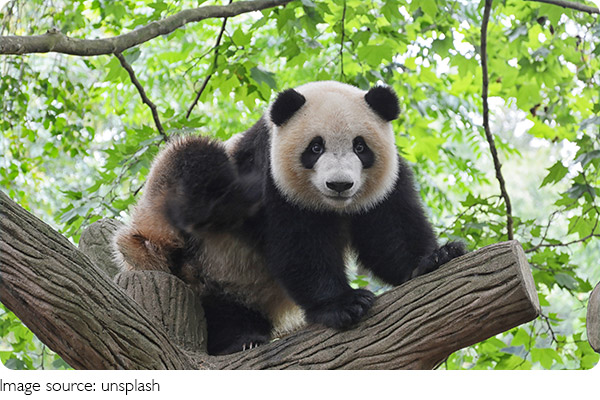
The tiny size of a newborn giant panda is therefore closely linked to its reproductive and developmental pattern. Instead of being born fully developed, the cub begins life at only about 3 to 5 ounces and undergoes major physical development after birth. Watching its growth shows how much change takes place during the first months of a panda's life.
Popular
Genetics Can Save Species
A species may look healthy in the wild yet still face a hidden danger: too little genetic diversity to survive future challenges.
Tiny Panda, Huge Mystery!
The incredible size gap between a newborn panda and its mother has a surprising reason!
Tiny Seed Dispersers
Slugs, beetles, crickets and even crab may play a much bigger role in forest regeneration than scientists once thought.
Tracking Blind Spots
Animal tracking still misses many biodiversity-rich regions.