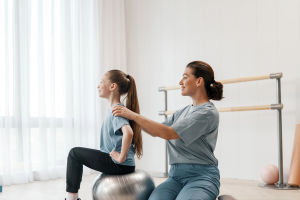
Exercise With Low BP
Exercise With Low BPPosted by Camille Dubois on 17-08-2026

On Trend
Low blood pressure does not automatically mean exercise is unsafe. Many healthy, active people naturally have lower readings and experience no symptoms at all.
Problems are more likely when hypotension causes dizziness, blurred vision, weakness, confusion or fainting — particularly during exercise or immediately afterward.

Blood pressure below about 90/60 mm Hg is generally considered low, although the number itself matters less than how you feel. Some people function perfectly well at this level, while others develop symptoms that need medical assessment.
For people who do feel lightheaded during workouts, a few changes to hydration, exercise position and cool-down habits can make an important difference.
Why Exercise Can Trigger Dizziness
During physical activity, the heart works harder to deliver oxygen-rich blood to active muscles. Heart rate increases and blood pressure usually rises to support this demand.
Once exercise stops, however, blood pressure naturally falls. This effect is known as post-exercise hypotension.
Cardiopulmonary physical therapist Lauren Mellett explains that after exercise, reduced blood return to the heart and brain can make someone with already-low blood pressure feel dizzy or lightheaded, particularly if they stop moving abruptly or change position quickly.
One reason is that blood vessels remain widened for a while after activity. If the muscles suddenly stop contracting, less blood is pushed back toward the heart and more may temporarily remain in the lower body.
Rapidly moving from lying or sitting to standing can produce a similar effect. Postural hypotension occurs when blood pressure drops after a change in body position, temporarily reducing blood flow to the brain.
Stay Hydrated Throughout the Day
Dehydration can make low blood pressure worse, so hydration is one of the simplest precautions.
Rather than relying on a large drink immediately before exercise, aim to drink water regularly throughout the day. Mellett recommends taking small amounts consistently and bringing a water bottle so you can sip during your workout when needed.
This becomes even more important in warm weather or during sessions that cause heavy sweating. Dehydration itself can contribute to dizziness and tiredness.
People who have been advised to restrict fluids because of heart, kidney or another medical condition should follow their clinician's individual guidance rather than simply increasing water intake.
Never Stop Suddenly
A gradual cool-down is particularly important for people prone to low blood pressure.
After running, cycling or another activity that raises your heart rate, continue moving at a slower pace for at least five minutes rather than stopping immediately.
A short walk, gentle pedalling or other easy movement keeps the muscles working and helps blood continue returning toward the heart while circulation gradually adjusts.
The American Heart Association similarly notes that stopping exercise suddenly may cause lightheadedness because heart rate and blood pressure can fall quickly.
If symptoms remain after five minutes, extend the cool-down and avoid rushing straight into standing still or taking a hot shower.
Try Seated or Horizontal Exercise
For people who repeatedly feel dizzy after exercising upright, changing body position may help.
A recumbent exercise bike is one useful option because the body remains supported and the legs are positioned more horizontally. A rowing machine can offer a similar advantage.
Swimming may also be comfortable because the body stays horizontal. Water pressure around the limbs additionally helps move fluid toward the centre of the body, supporting circulation.
These activities can provide cardiovascular exercise without requiring prolonged upright standing.
The best choice still depends on overall health, fitness and the underlying reason for hypotension.
Modify Strength Training
Strength training does not necessarily need to stop, but some exercises may require adjustment.
Upper-body exercises such as shoulder presses or curls can be performed while seated instead of standing.
Be more cautious with movements that involve a rapid transition from low to high positions. Deep squats followed by standing quickly, for example, may provoke symptoms in someone susceptible to postural blood-pressure drops.
The same principle applies to floor workouts. Instead of repeatedly switching between exercises performed lying down and exercises performed standing, complete the floor section first.
Then transition slowly: move from lying to sitting, pause, progress to kneeling if appropriate and stand only once you feel steady.

Be Careful With Head-Down Positions
Some stretching and mobility exercises place the head below the level of the heart.
For someone prone to dizziness, moving rapidly into and out of these positions may cause uncomfortable changes in blood circulation. Mellett therefore recommends extra caution with exercises that involve substantial or repeated changes in head and body position.
This does not mean such movements need to be avoided completely. Slower routines with controlled transitions may be better tolerated than exercises that require frequent movement between standing and floor positions.
Know When Symptoms Need Attention
Low blood pressure can have many causes. It may simply reflect good physical fitness, but it can also be associated with medications, dehydration, pregnancy or certain medical conditions.
Recurring dizziness during exercise therefore should not simply be accepted as normal.
Stop exercising if you become markedly dizzy, feel faint or develop confusion. Fainting occurs when blood flow to the brain temporarily becomes inadequate and deserves medical evaluation, particularly when it happens during physical activity.
New chest pain, severe shortness of breath, persistent palpitations or loss of consciousness should also prompt medical attention.
Keep Moving — With Adjustments
For many people with naturally low blood pressure, exercise remains both possible and beneficial. The goal is not necessarily to avoid activity, but to remove the situations most likely to provoke symptoms.
Steady hydration, gradual cool-downs, slower changes in position and seated or horizontal exercises can make workouts far more comfortable when low blood pressure causes lightheadedness.
If symptoms are frequent, worsening or causing fainting, the safest next step is to discuss them with a healthcare professional before increasing exercise intensity.
Popular
COVID-19 Travel Guide
A little planning can make travel safer and easier if COVID-19 becomes part of your trip.
Older Pensions Under Review
UK regulators warn that some older pension products may offer poorer value than newer alternatives.
Bank Rate Stays at 3.75%
The Bank of England holds rates as energy prices keep inflation risks elevated.
Hearing Aids Explained
From traditional models to AirPods, here’s how today’s hearing options differ.