Child Health Prevention
Child Health PreventionPosted by Declan Kennedy on 04-08-2026
Odd News
A child’s early years provide the foundation for lifelong health. Through regular pediatric care, families receive guidance that supports physical growth, developmental progress, emotional well-being, and healthy daily habits.
Preventive healthcare focuses on more than addressing health concerns; it helps children receive timely support, build positive routines, and develop in a healthy way throughout childhood.
Pediatricians play an important role in monitoring growth, providing immunizations, assessing development, and offering guidance tailored to each stage of childhood. Regular health visits allow families to understand children’s changing needs and create a strong foundation for long-term well-being.
Why Preventive Care Matters During Childhood
Childhood is a period of continuous physical, cognitive, and emotional growth. Regular pediatric visits help healthcare professionals monitor important changes, recognize concerns early, and provide appropriate guidance when needed.
Routine assessments may include growth measurements, vision and hearing checks, communication skills, movement abilities, and social development. Pediatric growth charts are used to track patterns over time and help determine whether children are progressing within expected ranges.
Vaccination as a Foundation of Prevention
Immunization is an essential part of childhood healthcare. Vaccines help protect children from preventable infectious diseases and support community health by reducing the spread of illness.
During routine appointments, pediatricians review vaccination records and recommend immunizations according to the child’s age and established medical guidance. Following recommended schedules helps provide protection during important stages of growth.

Monitoring Growth and Development
Children develop at different rates, and pediatric care helps track progress across multiple areas, including communication, learning, coordination, emotional skills, and social interactions.
“To grow and develop optimally, children need to receive nurturing care. This means that they enjoy adequate nutrition and good health, feel safe and secure, and have opportunities for learning starting from birth.” — World Health Organization.
Developmental screening tools allow healthcare professionals to identify possible concerns early and provide guidance or additional support when appropriate. Early attention can help children receive the resources they need during important developmental periods.
Preventive visits also provide opportunities to discuss sleep routines, physical activity, nutrition, and emotional well-being, helping families establish supportive daily habits.
Nutrition Guidance Throughout Childhood
Children’s nutritional needs change as they grow. Pediatricians help families understand age-appropriate nutrition choices that support growth, energy, and overall health.
For infants, guidance may include feeding practices, the gradual introduction of complementary foods, and awareness of possible food sensitivities. As children grow, families can receive advice on balanced meals that include fruits, vegetables, whole grains, nutrient-rich protein sources, and calcium-rich foods.
Pediatric guidance also helps families develop positive eating habits by encouraging balanced choices, appropriate hydration, and mindful approaches to added sugars and highly processed foods.
Supporting Emotional and Behavioral Health
Emotional well-being is an important part of childhood health. Pediatric visits provide opportunities to discuss communication, behavior patterns, relationships, and emotional changes that may occur during different developmental stages.
These conversations help families better understand children’s needs and provide support that encourages confidence, resilience, and healthy emotional development.
Educating Families for Everyday Health
Health education helps families make informed decisions about children’s daily well-being. Pediatricians provide guidance on household safety, injury prevention, dental hygiene, medication safety, seasonal health considerations, and healthy lifestyle practices.
As children become more independent, discussions may also include physical activity, digital safety, friendships, and responsible choices. This ongoing guidance helps families support children through each stage of life.
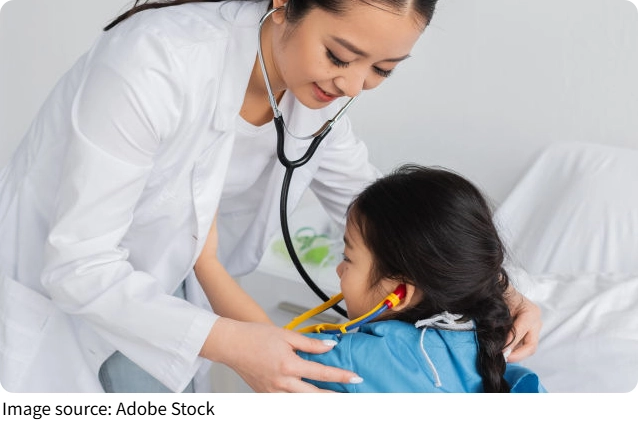
Preventive pediatric care provides children with the support needed to grow, develop, and maintain good health. Through regular checkups, immunizations, developmental monitoring, nutrition guidance, and family education, pediatric care helps identify needs early and encourages healthy habits.
By working together with healthcare professionals, families can create a supportive environment that promotes children’s well-being and builds a strong foundation for the future.
Popular
Sick Day Sleep Guide
A sick child needs extra rest! Simple bedtime habits can make a big difference!
Child Health Prevention
How pediatric care supports healthy growth, development, and lifelong well-being
Building Child Confidence
How encouragement and emotional support help children build lasting confidence and resilience
Healthy Brain Growth
Discover how positive experiences and supportive relationships strengthen children's brain development