Rear Wing Secrets
Rear Wing SecretsPosted by Ravish Kumar on 27-07-2026

Funny Facts
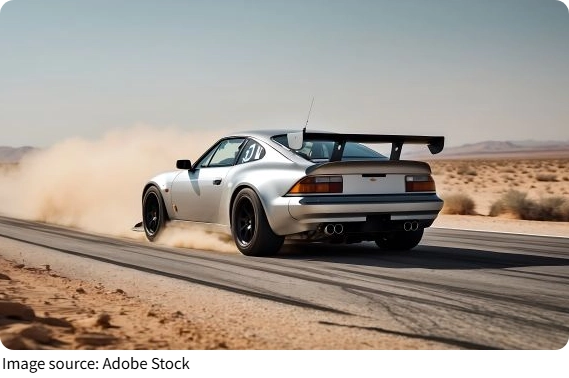
Lykkers, have you ever noticed the large wing on the back of a sports car and wondered why it is there?
At first glance, it may look like a decoration that makes the vehicle appear more powerful and stylish. However, we will discover that a rear wing has a much deeper purpose.
It is a carefully designed part that helps improve driving stability, especially when a vehicle moves at high speed. Today, we will explore how this small but important feature changes the way a sports car performs.
Creating Better Road Grip
The main job of a rear wing is to help reduce the lifting force created at the rear of the vehicle. When a car travels quickly, air flows around the body and can create forces that make the vehicle feel lighter. If the rear part receives too much lifting force, the rear wheels may lose some contact with the road, which can affect control.
A well-designed rear wing uses airflow to create extra downward force. This pushes the rear section closer to the road surface, helping the tires maintain better contact. With improved grip, we can enjoy more stable cornering, smoother acceleration, and a more confident driving experience.
How Airflow Shapes Performance
We can think of a rear wing as a tool that manages the movement of air around the vehicle. Instead of allowing airflow to move randomly, engineers design the wing shape and angle to guide air in a more useful direction.
When a sports car reaches higher speeds, airflow becomes a major factor in handling. The rear wing works together with other body parts to balance the forces acting on the car. This balance helps prevent unwanted movement and allows the driver to maintain better control.
For racing vehicles, this design is especially important because even a small improvement in stability can influence performance on a track. That is why many performance cars use carefully calculated rear wings rather than simple decorative designs.
Inspired By Aircraft Design
The idea behind the rear wing comes from aircraft design. Engineers studied how wings control airflow and adapted similar principles for vehicles. However, the purpose is different. Aircraft wings create upward force to help planes rise, while car wings are designed to create downward force to keep vehicles closer to the ground.
Modern rear wings are usually made from lightweight and strong materials. Materials such as carbon-based fiber and other advanced composites are popular because they provide strength without adding unnecessary weight.
The size and angle of a rear wing are not chosen randomly. Engineers use detailed calculations to find the right balance. A wing that is too large may increase air resistance, while one that is too small may not provide enough benefit. The goal is to achieve better stability without reducing overall efficiency.
Racing Cars And Daily Vehicles
On racing cars, rear wings are often large and positioned higher because they need to work effectively during high-speed driving. Their placement allows airflow to reach the wing directly and create stronger control effects.
For regular vehicles, the situation is different. Since everyday driving speeds are usually lower, a rear wing may provide limited performance improvement. In many cases, it is added mainly to create a sporty appearance.
Some vehicles use smaller rear spoilers on the rear area to guide airflow over the rear window. This design can help reduce unwanted air movement and keep the rear area cleaner, improving visibility for the driver.
Why Proper Installation Matters
A rear wing is not simply a part that can be added anywhere. Its angle, size, and position all influence how the vehicle behaves. If the design is not suitable for the car, it may create extra air resistance instead of improving performance.
An incorrectly installed wing can also affect driving balance. At higher speeds, poor design choices may make the vehicle feel less stable. In addition, an unsuitable wing can increase wind noise and reduce efficiency.
This is why professional vehicle designers spend a lot of time testing airflow and adjusting details. A good rear wing is the result of engineering research, not only a visual upgrade.
Understanding The Real Purpose
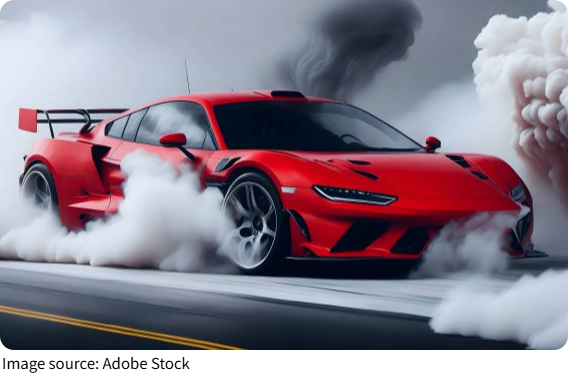
Ultimately, the rear wing is a perfect example of how form meets function in automotive engineering. While it adds visual drama to any sports car, its true value lies in the science of airflow management and tire grip. Understanding this balance helps us appreciate the thought behind every curve and angle.
Lykkers, so, whether you admire its looks or its logic, the rear wing remains a testament to human ingenuity. Next time you see one, you will know it is there for a reason.
Why Do Supercars Have Spoilers?
Video by Curious Ayman
Popular
Clean Cabin Guide
Want a Fresher Car Every Day? Discover Simple Interior Cleaning Tips That Keep Every Drive Comfortable and Looking Great!
Ultimate Track Supercars
Explore the most extreme track-only machines built for maximum speed, precision, and engineering
Why Steering Wheels Shake
Learn the most common causes of steering wheel vibration and when it needs immediate attention
Rear Wing Secrets
Why Do Sports Cars Have Rear Wings? Discover The Hidden Role Of This Amazing Design Feature!