Why Supercars Skip Wipers
Why Supercars Skip WipersPosted by Sofia Alvarez on 26-07-2026
Odd News
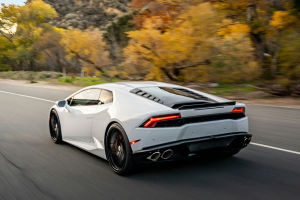
Friends, have you ever looked at the back of a Ferrari, McLaren, or Lamborghini on a rainy day and noticed something missing?
While most family cars and SUVs have a rear wiper, many of the world's fastest road cars do not. It may seem like an unusual omission, especially on such expensive vehicles.
In reality, the missing rear wiper is a deliberate engineering choice. From aerodynamics and weight reduction to visibility and design, several practical reasons explain why rear wipers are rarely found on high-performance supercars.
Aerodynamics Take Priority
One of the biggest reasons is airflow. Supercars are designed to move through the air with as little resistance as possible while also generating enough downforce to remain stable at high speeds. Every surface, vent, and curve is tested extensively in wind tunnels and computer simulations.
A rear wiper may look insignificant, but it creates turbulence. Even a small wiper arm protruding into the airflow can slightly increase drag and disturb the carefully managed air traveling over the roof and rear window. Engineers prefer a clean exterior because smoother airflow improves both stability and efficiency.
At very high speeds, even small aerodynamic changes become more significant than they would on an ordinary passenger vehicle. Eliminating components that interrupt airflow helps maximize performance while maintaining predictable handling and efficiency.
Weight Reduction Matters
Performance-focused manufacturers constantly look for opportunities to reduce weight. A complete rear wiper system includes the motor, wiring, mounting hardware, washer nozzle, fluid lines, and electronic controls. Together, these components add unnecessary mass to a vehicle designed around performance.
Although removing a few pounds will not dramatically change performance on its own, supercar development relies on hundreds of similar decisions. Carbon-fiber body panels, lightweight wheels, titanium exhaust systems, and thinner glass all contribute to lowering overall weight. Omitting the rear wiper follows the same philosophy.
Reducing weight can improve acceleration, braking, handling, and overall efficiency. When engineers pursue maximum performance, every unnecessary component is carefully evaluated.
Rear Visibility Is Already Limited
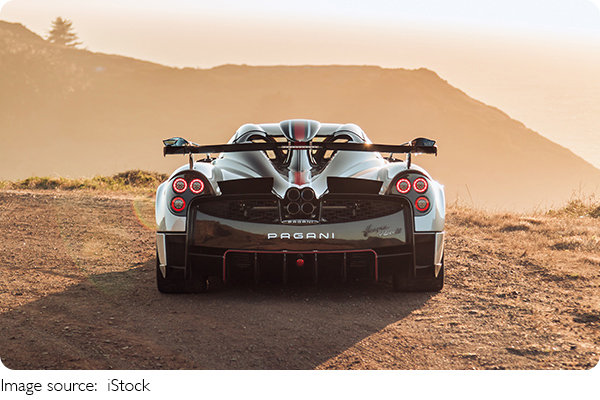
Unlike hatchbacks or SUVs, many supercars position their engines directly behind the seats. This mid-engine layout improves weight distribution but leaves limited space for a large rear window. Some models have only a narrow piece of glass, while others use engine covers that provide minimal rearward visibility. In these cases, adding a rear wiper offers only limited practical benefit.
Instead, manufacturers increasingly rely on modern driver-assistance technology. Wide-angle backup cameras, parking sensors, surround-view systems, and digital rearview mirrors often provide a clearer and wider view than a small rear wiper could, especially during low-speed driving and parking.
Airflow Helps Keep the Rear Window Clear
Many supercars are shaped so that airflow naturally moves across the rear window. As speed increases, this airflow can help sweep away rain and reduce water buildup on parts of the glass. Certain body designs also help limit the amount of dirt that collects around the rear window.
While this effect is not perfect, it reduces the need for a rear wiper during normal driving at higher speeds. During slow traffic or when the vehicle is stationary in heavy rain, rear visibility may still decrease. Manufacturers generally accept this compromise because these vehicles are engineered primarily for performance rather than everyday commuting.
Design Purity Matters
Supercars are often admired as much for their appearance as for their performance. Designers spend years refining every body line to create a shape that looks fast even when standing still. A rear wiper interrupts those clean lines and can detract from the carefully sculpted design.
Removing the rear wiper creates a cleaner rear profile and allows the glass, bodywork, and aerodynamic elements to blend together more naturally. Even models with enough rear glass to accommodate a wiper sometimes leave it out to preserve their intended styling.
Not Every Supercar Follows This Approach
Although rear wipers are uncommon on supercars, they are not completely absent. Some grand touring performance cars include them because they are designed for more frequent road use in a wider range of weather conditions. Models with larger rear windows or hatchback-style rear openings may also benefit enough from improved visibility to justify the additional hardware.
Ultimately, the decision depends on each vehicle's purpose. Cars built primarily for maximum performance usually eliminate unnecessary components, while models designed for long-distance comfort may place greater emphasis on everyday convenience.

The absence of a rear wiper on many supercars is not an oversight but a deliberate engineering decision. By prioritizing aerodynamics, reducing weight, embracing advanced visibility technology, and preserving clean exterior styling, manufacturers focus on the characteristics that matter most in high-performance vehicles. Although a rear wiper can improve convenience in certain situations, it is often considered a worthwhile compromise in pursuit of greater speed, efficiency, and driving performance.
Popular
Clean Cabin Guide
Want a Fresher Car Every Day? Discover Simple Interior Cleaning Tips That Keep Every Drive Comfortable and Looking Great!
Ultimate Track Supercars
Explore the most extreme track-only machines built for maximum speed, precision, and engineering
Why Steering Wheels Shake
Learn the most common causes of steering wheel vibration and when it needs immediate attention
Rear Wing Secrets
Why Do Sports Cars Have Rear Wings? Discover The Hidden Role Of This Amazing Design Feature!