Soul Of Sakura
Soul Of SakuraPosted by Liam Reilly on 22-07-2026
Gossip Town
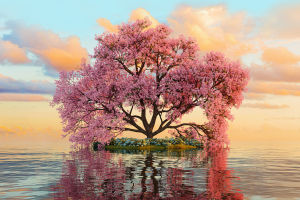
Hello, Lykkers! If you've ever seen photos of Japan covered in soft pink cherry blossoms, you've probably wondered why these delicate flowers are so famous.
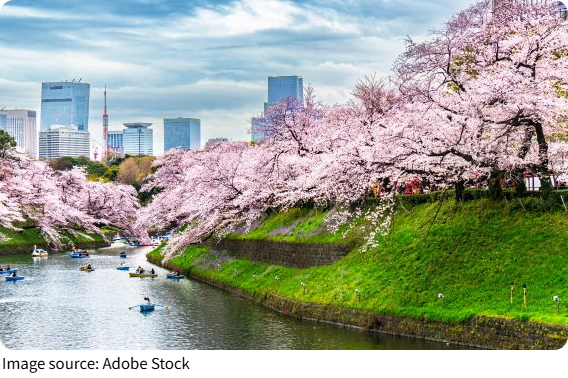
Every spring, parks, riversides, and streets transform into breathtaking landscapes as millions of sakura, or cherry blossoms, bloom across the country.
While Japan doesn't officially have a national flower, sakura is widely recognized as one of its most treasured national symbols. But what makes these blossoms so special? The answer goes far beyond their beauty.
A Love Story That Began Over a Thousand Years Ago
Japan's relationship with sakura dates back more than a millennium. During the Heian period (794–1185), members of the imperial court would gather beneath blooming cherry trees to admire the flowers, write poetry, play music, and celebrate the arrival of spring.
These elegant gatherings gradually evolved into hanami, which literally means "flower viewing." Today, hanami is still one of Japan's most beloved traditions. Families spread picnic blankets under cherry trees, friends laugh over homemade lunches, and coworkers enjoy after-work gatherings in parks. It's not just about looking at flowers—it's about slowing down, spending time with loved ones, and appreciating a season that disappears almost as quickly as it arrives.
Beauty That Doesn't Last
Part of sakura's magic lies in how short-lived it is. Most cherry blossoms remain at their peak for only about a week before the petals drift gently to the ground.
At first, that might seem disappointing. But in Japan, this brief bloom is exactly what makes sakura so meaningful.
The blossoms perfectly reflect the Japanese idea of mono no aware, a phrase that describes the gentle awareness that beautiful moments are temporary. Instead of feeling sad that something ends, people are encouraged to appreciate it even more because it won't last forever.
Think about some of your happiest memories—a family vacation, graduation day, or a sunset on the beach. They're precious because they can't be repeated exactly the same way. Sakura reminds people to treasure life's moments while they're here.
The Season of Fresh Starts
Another reason sakura holds such a special place in Japanese culture is its timing. Cherry blossoms bloom just as the new school year and business year begin in April.
Across Japan, children put on their school uniforms for the first time, university students start a new chapter, and employees begin new jobs—all while cherry blossoms are in full bloom.
It's no surprise that many Japanese people associate sakura with hope, fresh beginnings, and exciting opportunities. The flowers have quietly become part of countless life milestones, making them deeply personal as well as nationally significant.
More Than Pretty Flowers
Sakura isn't confined to parks and gardens. During spring, the blossoms seem to appear everywhere. Bakeries sell cherry blossom-flavored cakes, cafés introduce seasonal drinks, stores display pink-themed decorations, and traditional crafts feature delicate blossom patterns.
Artists have celebrated sakura for centuries in paintings, woodblock prints, poetry, and literature. Even today, the flowers frequently appear in films, anime, fashion, and photography. They're not simply a seasonal decoration—they're woven into Japan's cultural identity.
What Experts Say
Emiko Ohnuki-Tierney, William F. Vilas Professor Emerita of Anthropology at the University of Wisconsin–Madison and an internationally respected scholar of Japanese culture, explains that cherry blossoms have carried different meanings throughout Japanese history.
In her book Kamikaze, Cherry Blossoms, and Nationalisms, she notes that sakura traditionally symbolized beauty, renewal, and the cycle of life, although they were also used as patriotic symbols during the late 19th century. Her research shows that the cherry blossom's enduring power comes from its ability to reflect both personal emotions and Japan's evolving national identity.
Why the World Falls in Love with Sakura
Every spring, Japan even releases a cherry blossom forecast, tracking the "sakura front" as it moves from the warmer southern islands toward the cooler north. Millions of people follow these updates to plan trips or simply make sure they don't miss the blossoms at their peak.
For visitors, seeing the cherry blossoms often feels like stepping into a painting. For locals, it's an annual reminder to pause for a moment, look up at the trees, and appreciate the beauty that surrounds them.
Final Thoughts
Sakura became Japan's national symbol not because it's the rarest flower or the brightest one, but because it captures something deeply human. It reminds people that life is beautiful precisely because it changes. Every blossom blooms, shines for a short while, and gently falls, making room for a new season.
Perhaps that's why cherry blossoms continue to touch people's hearts—not only in Japan, but around the world. They remind us that even the briefest moments can leave the deepest memories, and sometimes the most beautiful things are the ones that don't last forever.
Popular
Sunflower Hidden Secrets
Why Do Sunflowers Bow Their Heads? The Surprising Reason Behind This Beautiful Natural Change Will Amaze You!
Petals That Heal
Scientists Reveal Why Flowers Make Us Happier, Calmer, and Less Stressed!
Soul Of Sakura
Why Japan's Cherry Blossoms Mean Far More Than You Ever Imagined!
Purple Tulips Shine Bright!
These purple tulips bring timeless charm to spring gardens! Which ones will steal your heart?