Field Growth Study
Field Growth StudyPosted by Nolan O'Connor on 09-07-2026
Funny Facts
Dear Lykkers, have you ever wondered how scientists and field workers understand what helps crops grow better in real farming environments? In this article, we explore how crop field study is carried out in a practical and structured way.
We will walk through the process step by step and see how these efforts help improve both harvest output and product quality in a simple and meaningful way.
Field Observation as the First Step
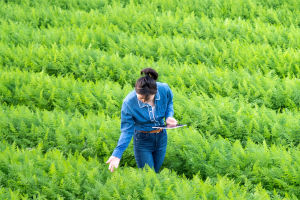
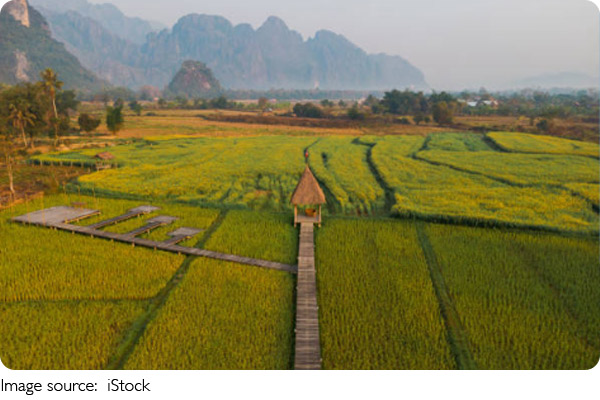
In crop field study, the first and most important step is field observation. We enter farmland areas to observe how crops grow under real conditions. This includes checking soil texture, local weather patterns, water supply conditions, and planting methods used by farmers.
During these visits, we also communicate with local growers to understand their daily practices. Their experience provides useful insights that cannot be learned from books alone. By carefully recording what we see, we begin building a clear picture of the growing environment.
This step helps us form a foundation for all later analysis, ensuring that the information we collect reflects real and practical conditions.
Collecting Representative Samples
After observation, we move to sample collection. This step allows us to study crops in greater detail. We select plant samples from different areas of the field to ensure variety and balance in our data.
These samples may include plants from sunny areas, shaded areas, and sections with different soil conditions. By doing so, we avoid one-sided results and gain a more complete understanding of crop development.
Each sample is carefully recorded and labeled. This helps us track differences in growth patterns and identify factors that influence plant health.
Data Processing and Pattern Analysis
Once sample collection is completed, we focus on organizing and analyzing the information. We examine factors such as growth speed, plant height, leaf condition, and yield potential.
Through careful comparison, we begin to notice patterns. For example, some crops may grow better in soil with higher organic content, while others respond strongly to consistent water supply.
We also use simple modeling methods to predict possible growth trends. These models help us estimate future outcomes and identify areas that may require adjustment.
Improvement Planning and Field Application
After analyzing the data, we develop practical improvement plans. These plans are designed based on real field conditions rather than theoretical assumptions.
Common improvements may include adjusting planting spacing, improving irrigation systems, or refining fertilizer usage methods. The goal is to create a balanced environment where crops can grow more efficiently.
Once the plan is implemented, we continue to monitor the field closely. Regular checks help us understand whether the changes are effective or if further adjustments are needed.
Observed Results in Crop Development
Through consistent field study, noticeable improvements often appear in crop development. One of the most common outcomes is increased yield. When planting methods and soil management are optimized, crops tend to grow more evenly and produce better harvests.
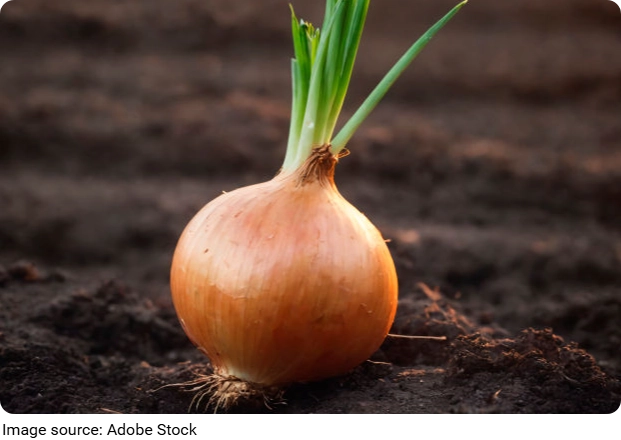
Another important result is improved product quality. Healthier growth conditions often lead to stronger plants and more stable production outcomes. This includes better appearance, improved texture, and more consistent size.
These changes show that careful field study can make a real difference in agricultural performance.
Supporting Long-Term Field Stability
Beyond immediate results, crop field study also supports long-term stability. By understanding soil conditions and water usage patterns, we help maintain a balanced environment for future planting cycles.
This approach reduces unnecessary resource waste and encourages more efficient use of natural inputs. Over time, fields become more stable and easier to manage, even under changing environmental conditions.
Sustainable practices also help reduce pressure on farmland, ensuring that productivity can continue steadily in the future.
Benefits for Farming Communities
Crop field study does not only benefit plant growth; it also supports farming communities. When production becomes more efficient, farmers can achieve better outcomes from the same land area.
This improvement can encourage stronger motivation among growers, as they see clear results from improved methods. It also supports local economic stability by enhancing overall productivity.
More importantly, it builds a stronger connection between scientific research and everyday farming practice, making knowledge more practical and useful.
Conclusion and Reflection
Crop field study is a step-by-step process that combines observation, sampling, analysis, planning, and continuous monitoring. Each stage plays an important role in understanding how crops grow and how they can be improved in real environments.
For Lykkers, this topic invites reflection: how can simple changes in observation and practice lead to meaningful improvements in daily agricultural work? By paying attention to details in the field, we can better understand nature’s rhythm and support healthier crop development.
Let us continue exploring and learning from the fields around us, discovering new ways to make agricultural practices more effective, balanced, and sustainable together.
Popular
Artful Home Touches
Simple decorative pieces can shape mood, add character, and make every corner feel more personal.
What Is the Lotus Effect?
Why does mud never stick? Nature’s smartest clean surface may surprise you!
Field Growth Study
How Can Crop Field Studies Unlock Better Harvests and Improve Plant Growth in Real Farming Conditions?
Succulent Indoor Care
Can succulents truly thrive indoors with limited sunlight? Practical care tips to keep them healthy, compact, and vibrant at home.