Indoor Potted Plant Tips
Indoor Potted Plant TipsPosted by Liam Reilly on 11-06-2026
On Trend
Hello, Lykkers! If your windowsill looks a bit bare or your favorite fern is turning brown, you are not alone.
Indoor container plants can be surprisingly tricky, even for experienced gardeners. The key is understanding that a plant in a container is a captive ecosystem, and every detail matters.
Let's break down the core skills you need to keep your green friends thriving.
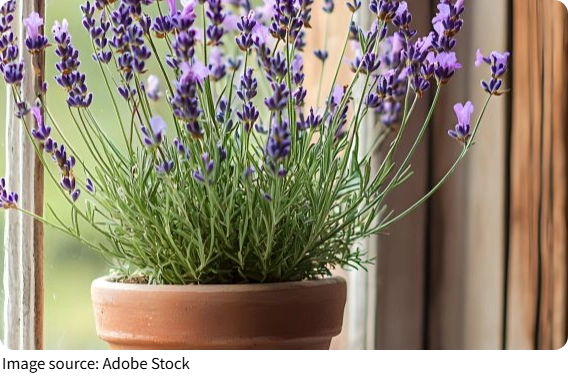
Choosing the Right Plants
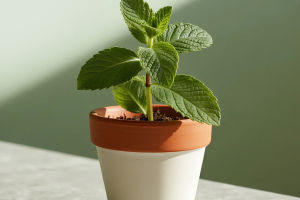
Not every plant is suited for life inside a container. Start with species that tolerate lower light and dry air, such as pothos, snake plants, or ZZ plants. Avoid high-maintenance tropicals unless you can provide a humidifier or a bright south-facing window. Always check the mature size: a tiny succulent can outgrow a 4-inch container in a year. Match the plant's natural growth habit to your available space and light.
Light Requirements
Light is the most common limiting factor indoors. Place plants within 3 feet of an east or west window for moderate light; south windows deliver intense direct sun, which can scorch leaves. Use sheer curtains to diffuse harsh rays. If your room has no natural light, supplement with LED grow lights placed 6 to 12 inches above the foliage for 12 to 14 hours daily. Rotate containers every week so all sides receive even exposure.
Watering Techniques
Overwatering kills more houseplants than neglect. Before watering, stick your finger into the soil up to the second knuckle. If it feels dry, give water; if damp, wait. Use containers with drainage holes and never let the saucer stand in water. For most common indoor plants, water until it runs out the bottom, then discard excess. Reduce frequency in winter when growth slows. Grouping plants together can help maintain humidity.
Soil and Fertilizer
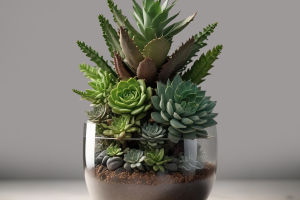
The standard container mix is too heavy for many container plants. Add perlite or coarse sand to improve drainage. For succulents and cacti, use a specialized gritty mix. Fertilize only during the growing season (spring through early autumn) with a balanced liquid fertilizer diluted to half strength. Too much fertilizer can burn roots and cause salt buildup on the soil surface. Flush the soil with plain water every two months to remove excess salts.
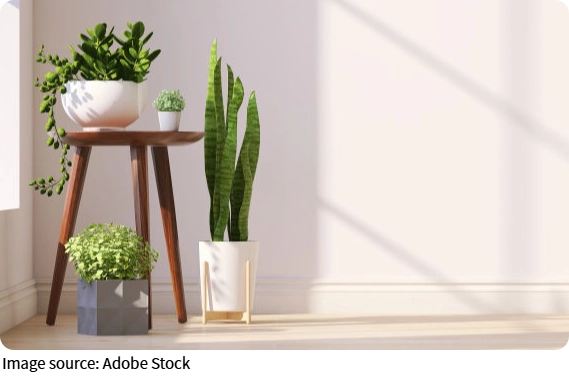
Pest Control and Maintenance
Indoor pests like spider mites and mealybugs thrive in dry air. Inspect leaves weekly, especially the undersides. Wipe dust off leaves with a damp cloth; dusty leaves block light. For small infestations, spray with a mixture of water and a few drops of mild dish soap. Isolate any new plant for two weeks before placing it near others. Prune yellow or dead leaves promptly to encourage new growth and prevent disease.
Remember that consistency matters more than perfection. Start with one or two easy plants, observe how they respond to your home's conditions, and adjust from there. Each leaf that unfurls is a small reward for your attention. So grab a trowel, pick a planter, and give it a try. Your indoor jungle is just a few careful steps away.
Popular
Indoor Potted Plant Tips
Master the art of keeping houseplants alive and lush with these straightforward care methods.
Plants That Sustain Life
How plants support ecosystems through oxygen, biodiversity, and climate balance
Desert Plant Survival Tips
Desert Plants Are Nature's Survivors: The Three Superpowers That Help Them Thrive
How Green Spaces Cool Cities
Urban greening doesn't just cool parks, it creates a cooling ripple effect that travels downwind for kilometers.