Succulent Care Basics
Succulent Care BasicsPosted by Caleb Ryan on 02-06-2026
On Trend
Succulents are valued for their distinctive appearance, resilience, and ability to thrive in a wide range of indoor environments.
Their capacity to store water in their leaves, stems, or roots enables them to withstand periods of drought, making them a popular choice for both novice and experienced plant enthusiasts.
Despite their reputation as low-maintenance plants, succulents still require appropriate care to remain healthy. Overwatering can lead to root rot and other moisture-related problems, while insufficient watering may cause leaves to shrivel and growth to decline. Understanding the balance between water, light, soil, and environmental conditions is essential for long-term success.
Proper Watering Practices
Succulents should be watered only when the soil has dried completely. Rather than following a rigid schedule, monitor soil moisture regularly, as watering requirements vary according to temperature, humidity, light exposure, growing conditions, and plant variety.
When watering, thoroughly saturate the soil until excess water drains away. This approach encourages healthy root development while preventing the accumulation of excess moisture. Before watering again, allow the soil to dry completely.
Water should be directed at the soil rather than the foliage. Prolonged moisture on leaves can increase the likelihood of rot and fungal issues in certain succulent species.
The Importance of Soil and Drainage
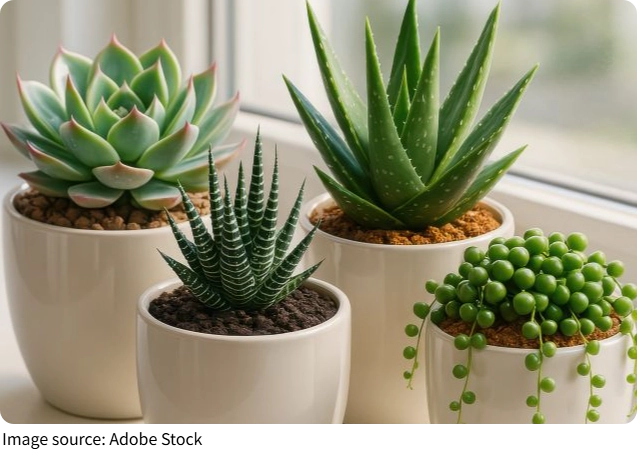
Well-draining soil is one of the most important factors in successful succulent cultivation. Excessively dense or moisture-retentive soil can trap water around the roots, increasing the risk of root rot.
A specialized succulent or cactus potting mix is generally recommended. Alternatively, drainage can be improved by incorporating materials such as coarse sand, pumice, or perlite into the growing medium. Containers should also have drainage holes to allow excess water to escape efficiently.
Most succulents can be watered with tap water. In areas with hard water, filtered water or collected rainwater may help reduce mineral accumulation over time, although these alternatives are not essential for healthy growth.
Recognizing Plant Signals
Environmental conditions play a significant role in determining a succulent's water requirements. Factors such as temperature, humidity, airflow, and light intensity influence how quickly soil dries and how frequently watering is needed.
Plants growing in bright, sunny locations typically require more frequent watering than those kept in lower-light conditions. Observing changes in leaf appearance can provide valuable insight into a plant's health.
Slightly wrinkled or shriveled leaves may indicate that the plant requires water, while soft, translucent, or mushy leaves are often signs of excessive moisture. Regular observation allows gardeners to adjust care practices before minor issues become serious problems.
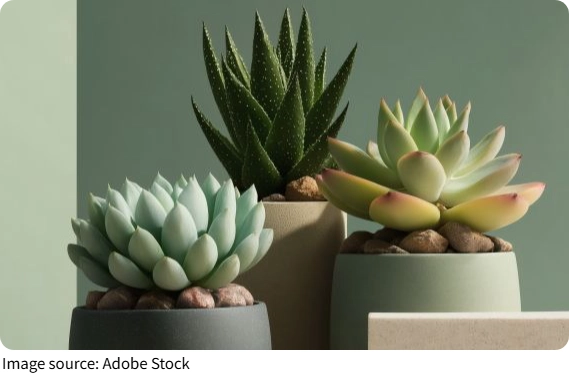
Successful succulent care is based on consistency rather than complexity. Providing well-draining soil, appropriate watering, sufficient light, and proper drainage creates an environment in which these plants can flourish. By monitoring growing conditions and responding to the plant's needs, gardeners can maintain healthy, attractive succulents that continue to thrive throughout the year.
Popular
Kitchen Herb Garden Guide
Grow fresh mint, basil, rosemary, and many other herbs at home with these simple tips.
Succulent Care & Design
Master simple care techniques and create visually striking succulent arrangements
Succulent Care Basics
A beginner's guide to proper watering, lighting, soil selection, and year-round succulent care.
Top Air-Purifying Plants
Low-maintenance houseplants that may help reduce indoor pollutants while enhancing interior spaces