Grow Okra This Summer
Grow Okra This SummerPosted by Chris Isidore on 02-06-2026
On Trend
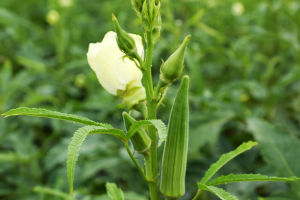
Standing in a summer garden, it's hard not to stop and stare at an okra flower. The pale yellow bloom with its deep burgundy center looks exactly like what it is — a hibiscus relative in disguise.
The plant itself can hit 6 feet tall, carries its own tropical drama, and produces a vegetable packed with folate and vitamin K. All from one of the most heat-tolerant crops you can put in the ground.
When and Where to Plant
Okra is a warm-season annual that genuinely needs heat. Don't rush it. The soil should reach at least 70°F before planting — cold soil means poor germination and stressed plants. In hot climates, that means planting from late spring through early summer.
In cooler regions, start seeds indoors in peat pots 6 to 8 weeks before the intended outdoor planting date. Peat pots are important here because okra seedlings have fragile taproots that don't survive disturbance well.
To speed up germination, soak seeds in water for several hours or overnight before sowing. Plant seeds about 1 inch deep and thin to at least 12 inches apart once plants are established. Okra plants grow tall and wide and need room — crowding reduces airflow and increases disease pressure.
Choose a full-sun location with well-drained, fertile soil and a near-neutral pH between 6.5 and 7.0. Mix in aged compost or other organic matter before planting.
Reliable Varieties to Try
Clemson Spineless is the classic: easy to grow, quick to mature, and a high-yield producer. Emerald offers disease resistance, which matters in humid conditions. Red Burgundy stands out visually with deep red pods — an ornamental-looking plant that also produces excellent fruit. In very hot, low-humidity regions, Texas Hill Country Red and Red Velvet perform particularly well.
Watering and Feeding
Okra handles dry conditions reasonably well, but consistent moisture — especially during flowering and pod development — produces a noticeably better harvest. Water to a depth of 8 to 12 inches, keeping soil moist but not soggy. A deep soak once a week is usually sufficient if there's been no rain.
Mulch generously around plants to conserve moisture and control weeds. For fertilizing, apply a balanced granular fertilizer before planting, then side-dress with a small amount of nitrogen once harvesting begins. Avoid heavy nitrogen applications, which push leafy growth and reduce pod production.
Prune lower leaves as plants grow taller to improve air circulation and prevent shading of nearby plants. New branches often develop below pruning cuts, extending the harvest from each plant.
The Most Important Harvest Tip
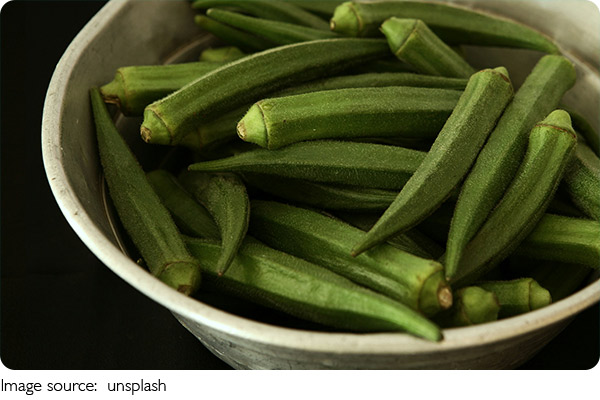
This is where okra growers make their biggest mistake. Pods develop fast — a flower opens and 3 to 4 days later the pod is ready. If left on the plant too long, pods become tough and stringy. Harvest when pods are 2 to 3 inches long for the best flavor and texture. In peak season, that usually means picking every one to two days.

Don't skip a harvest. Pods that mature and are left on the plant slow down further production significantly. Use a sharp pruning tool or shears to cut stems cleanly — the pods bruise easily, so handle them carefully. Fresh okra stores well in the refrigerator for 7 to 10 days at 45 to 50°F. Wear gloves and long sleeves when harvesting — the fine spines on okra plants cause itching and irritation for many people.
Okra keeps giving all season when it's picked regularly, watered consistently, and given the heat it craves.
Popular
Kitchen Herb Garden Guide
Grow fresh mint, basil, rosemary, and many other herbs at home with these simple tips.
Succulent Care & Design
Master simple care techniques and create visually striking succulent arrangements
Succulent Care Basics
A beginner's guide to proper watering, lighting, soil selection, and year-round succulent care.
Top Air-Purifying Plants
Low-maintenance houseplants that may help reduce indoor pollutants while enhancing interior spaces