Triathlon True Test
Triathlon True TestPosted by Mason O'Donnell on 02-07-2026
On Trend
Hi, Readers! There is something deeply moving about a triathlon. It asks a person to keep going through three very different stages, each one testing a new part of the body and mind.
A triathlon combines swimming, cycling, and running into one race, and what makes it so special is not only the distance.
It is the way athletes move from water to road to track without stopping, carrying their focus and effort through the whole event.
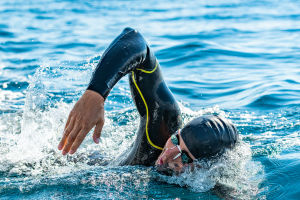
Triathlon began as a multi-sport endurance race and grew into a widely recognized competition practiced around the world. Its basic format is simple to understand, yet incredibly demanding to complete. Competitors begin with a swim, then shift to a cycling segment, and finish with a run.
The order matters because each part places a different strain on the body. The swim can feel controlled and rhythmic; the ride often demands pacing and steady output, and the run becomes the final moment where endurance is fully revealed.
What Makes It So Hard
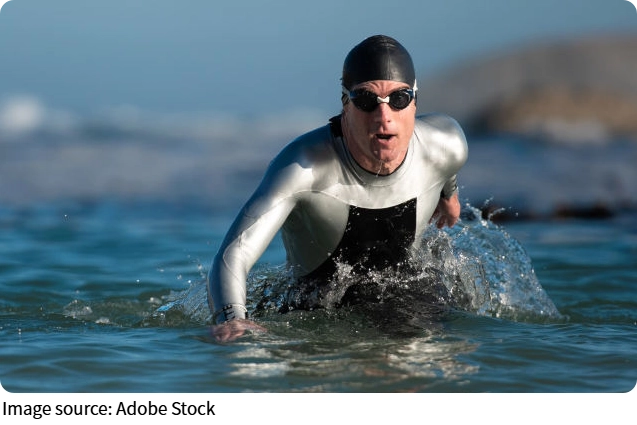
One of the biggest reasons triathlon is seen as a real test of physical limits is the nonstop transition between disciplines. Athletes do not get to recover fully after finishing one part. They must change gear quickly and continue moving.
This means stamina, strength, speed, coordination, and mental resilience all matter at once. Even experienced competitors talk about how unusual it feels to run right after a long ride, because the legs need time to adjust but the race gives none.
The event also comes in several distances, which means the challenge can range from beginner-friendly to deeply demanding. Common race formats include sprint triathlon, Olympic-distance triathlon, long-course events, and Ironman-distance races.
Across these formats, the central idea stays the same: complete all three sections in sequence in the fastest total time possible. The clock includes the transition periods, so preparation and efficiency become part of the competition too.
How The Race Works
A triathlon usually starts with a mass swim start or a staggered start, depending on race rules and course design. After the swim, athletes enter a transition area to switch equipment before heading out on the bike course. When the cycling section ends, they return again to transition and begin the run. These changeover points are often called transitions, and they are a defining feature of the sport.
Rules are designed to keep the race fair and organized. Competitors must follow the course, use approved equipment, and observe event regulations for each segment. In many races, bike handling, helmet use, and conduct in transition are closely controlled. Because finishing time covers every part of the event, success depends not only on athletic ability but also on planning, pacing, and staying calm under pressure.

More Than Physical Strength
What touches so many people about triathlon is that it is not only about power. It is also about patience, discipline, and emotional steadiness. Training for three different activities takes time and consistency. It asks athletes to balance technique in the water, efficiency on the bike, and endurance on foot. That mix creates a very complete form of competition, one where weaknesses are hard to hide, and perseverance matters every step of the way.
Triathlon also welcomes a wide range of participants. Some race for top results, while others join simply to finish. That spirit gives the sport a quiet warmth. Crossing the line can mean chasing victory, but it can also mean proving something personal. For many, the race becomes a conversation between the body and the will, where every section asks, gently but firmly, how much more a person can give.
In the end, triathlon truly earns its reputation as a race that challenges physical limits. It blends three disciplines into one continuous effort and asks for focus from start to finish. If this kind of challenge speaks to your heart, triathlon offers more than competition. It offers a chance to discover just how strong and steady you can become.
Popular
The Athlete's Mindset
Simple ways athletes can train focus, confidence, and calm when pressure shows up like an uninvited guest.
The Wingsuit Dream
A close look at wingsuit flying, how it works, why it feels so thrilling, and what makes it so demanding.
Master Risk, Enjoy Rush
Extreme Sports: Why Preparation, Skill, and Smart Choices Make the Thrill Worth It
Triathlon True Test
A demanding race that blends swim, ride, and run into one unforgettable challenge