The Wingsuit Dream
The Wingsuit DreamPosted by Finnegan Flynn on 02-07-2026
On Trend
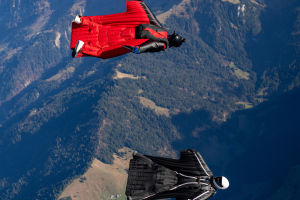
Hello, Lykkers! There is something deeply moving about the idea of gliding through open air with nothing but fabric, skill, and courage carrying you forward.
Wingsuit flying is often described as one of the closest experiences to human flight, and it blends parachuting with a specially designed suit that adds surface area between the arms and legs. That added area creates lift, letting a flyer move forward through the air instead of simply dropping straight down.
It sounds almost dreamlike, but it also asks for intense training, precise control, and steady judgment every single moment.
What a wingsuit does
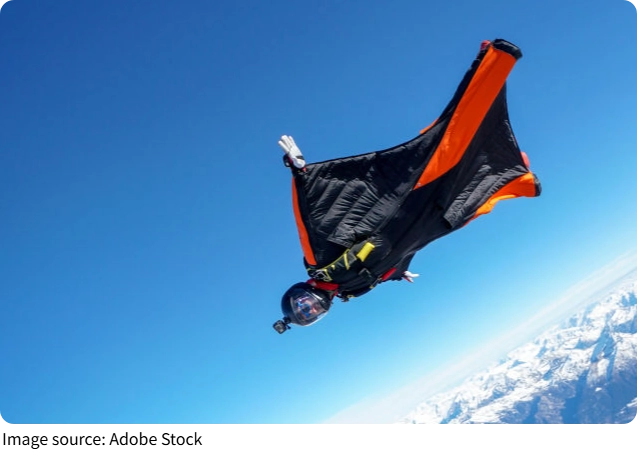
A wingsuit is a jumpsuit built with fabric panels that connect the arms to the torso and the legs to each other. These panels form a wing-like shape during freefall. As air fills the suit, the flyer gains more lift and can travel horizontally across a much greater distance than a standard skydive allows. Instead of only descending, the flyer glides. The performance of a wingsuit is often discussed through glide ratio, which compares forward travel to loss of height. In practice, this means a trained flyer can cover impressive distance while still descending toward the ground.
How people begin
Wingsuit flying did not begin as an entry-level activity. It developed within skydiving and BASE jumping communities, where experienced jumpers searched for longer, more controlled flight. Modern wingsuit use generally requires strong parachuting experience before a person can even start training in the suit itself. That is because body position, altitude awareness, deployment timing, and recovery skills all matter even more once the suit changes the way the body moves through the air. Early practice usually focuses on stable exits, controlled turns, forward movement, and safe parachute deployment.
Two main ways it is done
People usually wingsuit fly from aircraft or from fixed points such as cliffs. Aircraft jumps give flyers more height and more time in the air, which can make training and performance planning more manageable. Fixed-point wingsuit flying, often linked with BASE jumping, involves very different conditions and much tighter margins for error. In both cases, the suit is not used alone. A parachute is still needed for landing, and the flight phase ends when the flyer deploys that parachute at the right altitude.
Performance and control
The flyer controls direction and speed by shifting body position. Small changes in arm angle, leg tension, torso posture, and overall symmetry can affect lift, drag, and heading. This is part of what makes wingsuit flying feel so extraordinary and so demanding at the same time. The body becomes the control system. Skilled flyers can carve smooth lines through the air, adjust fall rate, and coordinate with terrain or formation partners, but all of that depends on discipline and repetition. Even a slight mistake can change the flight path quickly.
Why it captures the imagination
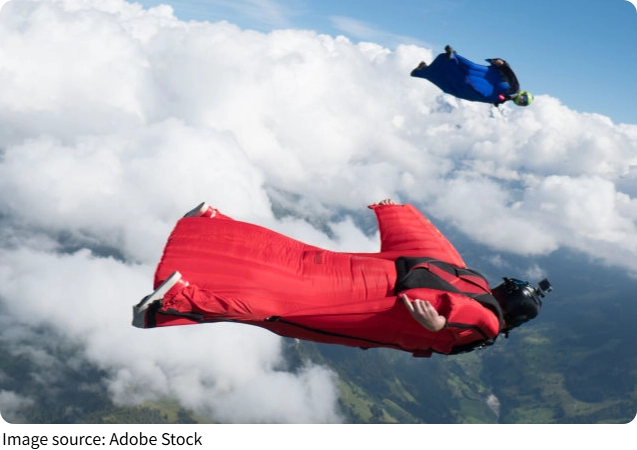
The appeal of wingsuit flying is easy to understand. It brings together freedom, precision, speed, and the long-held human wish to fly like a bird. For many people, even watching it sparks a mix of wonder and nervous excitement. The visual experience is striking because the flyer seems to be truly soaring, not just falling. At the same time, the activity is widely recognized as high risk, especially in terrain flying. That contrast between beauty and difficulty is part of why wingsuit flying holds such a strong place in the public imagination.
Records, design, and progress
Over time, wingsuit design has improved through changes in materials, air inlets, internal pressure, and overall shape. These refinements have helped experienced flyers reach better glide performance and more responsive handling. The sport has also seen competitive events and record attempts focused on distance, speed, and time in flight. Even with those advances, the basic truth remains the same: the suit supports flight, but it does not replace the need for knowledge, preparation, and careful decisions.
In the end, wingsuit flying really does touch that timeless human dream of moving freely through the sky. Still, its beauty comes with serious demands, and that is worth remembering with a calm, clear heart. If this kind of flight fascinates you, keep exploring it with curiosity and respect, because sometimes the most inspiring dreams are the ones that remind us how much skill and care true freedom asks for.
Popular
The Athlete's Mindset
Simple ways athletes can train focus, confidence, and calm when pressure shows up like an uninvited guest.
The Wingsuit Dream
A close look at wingsuit flying, how it works, why it feels so thrilling, and what makes it so demanding.
Master Risk, Enjoy Rush
Extreme Sports: Why Preparation, Skill, and Smart Choices Make the Thrill Worth It
Safe Mountain Adventures
Simple Safety Tips for Skiing and Mountain Hiking in Changing Outdoor Conditions