Building Family Bonds
Building Family BondsPosted by Kwame Johnson on 25-06-2026

Odd News
Lykkers, in a world filled with school routines, work responsibilities, digital distractions, and endless daily tasks, family connection can sometimes become limited to quick conversations and shared meals.
Yet the strongest relationships are often built through small but consistent moments where family members feel valued, heard, and understood.
Emotional bonds grow when families create opportunities to communicate, cooperate, laugh, and support each other. These connections help children develop confidence, empathy, and a sense of belonging. Research in family psychology shows that positive interactions at home contribute to healthier social skills and stronger relationships throughout life.
1. Create a Family Cooking Challenge
Cooking together is more than preparing a meal. It becomes a shared project where every family member can contribute. A family cooking challenge can include choosing a simple recipe, dividing responsibilities, decorating food creatively, or preparing a new version of a favorite dish. Younger children can help with safe tasks such as mixing ingredients, arranging ingredients, or setting the table.
This activity encourages teamwork because everyone has a role. Family members develop patience while waiting for turns, practice problem-solving when something does not go according to plan, and gain a sense of accomplishment by working together. The kitchen also provides a natural environment for conversation. While preparing food, family members often share stories about their day, personal interests, or recent achievements. These relaxed discussions help strengthen understanding and encourage open communication.
2. Start a Weekly Family Game Night
A regular game night can transform ordinary evenings into meaningful moments of connection. Board games, card games, puzzles, and creative challenges provide opportunities for interaction without relying on screens. The value of family games comes from the communication involved. As noted in Building Strong Family Ties, "Family activities facilitate interaction and help strengthen communication between each member of the family." Players practice taking turns, following rules, handling disappointment, and celebrating one another's successes.
Different games can support different skills. Strategy games encourage planning, word games strengthen language abilities, and cooperative games teach family members to work toward shared goals. A positive game environment focuses less on winning and more on enjoying the experience together. Children also learn that mistakes are valuable opportunities for learning and improvement.
3. Build a Family Memory Project
Creating a family memory project allows relatives to preserve meaningful moments while spending quality time together. This project can include making a scrapbook, creating a photo collection, designing a family timeline, or writing short stories about favorite experiences. Each person can contribute memories, drawings, captions, or creative ideas.
Looking back on shared experiences strengthens family identity and encourages meaningful conversations across generations. Recording special moments also helps preserve family traditions and creates keepsakes that can be enjoyed for years to come.
4. Plan Outdoor Discovery Adventures
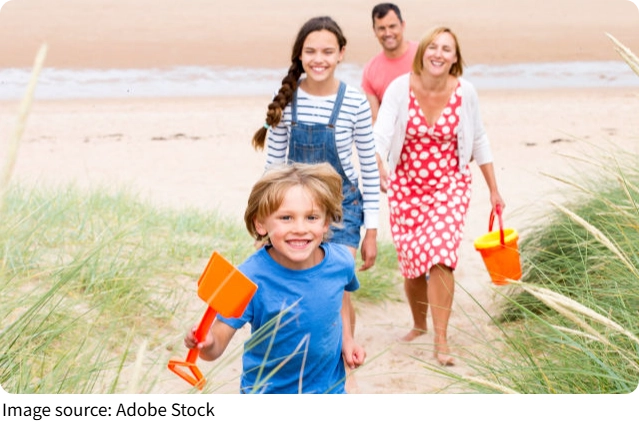
Outdoor activities provide families with a refreshing way to reconnect away from daily distractions. A simple walk, nature exploration, gardening project, or neighborhood discovery challenge can become an enjoyable shared adventure. Families can search for different plants, observe birds, photograph interesting sights, or create a simple outdoor journal. These experiences encourage curiosity, observation, and appreciation for the natural environment.
Nature also creates a relaxed setting for conversation. Without many everyday distractions, family members often find it easier to share ideas, experiences, and feelings. The value of these activities comes from spending meaningful time together rather than reaching a particular destination.
5. Hold a Family Appreciation Tradition
Small expressions of appreciation can have a meaningful impact on family relationships. A regular appreciation tradition encourages family members to recognize positive actions that might otherwise go unnoticed. During a weekly gathering, each person can express gratitude for another family member or acknowledge a thoughtful action. Encouraging words, gratitude notes, or appreciation jars can all become meaningful family traditions.
Children especially benefit from learning how to express kindness and recognize the efforts of others. Appreciation helps create a home environment where family members feel respected, valued, and supported. It also demonstrates that strong relationships are built through consistent everyday actions.

Growing Stronger Together
Strong family relationships are built through shared experiences, open communication, and consistent support. Activities such as cooking challenges, game nights, memory projects, outdoor adventures, and appreciation traditions create opportunities to strengthen trust, cooperation, and understanding. Although each activity may seem simple, the time spent together can leave lasting memories and help build stronger family connections for years to come.
Popular
How Sleep Repairs Cells
Learn how quality sleep restores cells, supports immunity, and promotes lasting health
How Toothbrushes Stop Decay
Learn how daily brushing removes plaque and helps protect teeth from cavities.
Precision Gene Editing
Advanced gene-editing tools are improving precision and expanding medical research
Genes and Gut Microbiota
How genetics and lifestyle shape the diverse microbial community within the digestive tract