Ocean Road Uncovered
Ocean Road UncoveredPosted by Lucas Schneider on 03-06-2026
Useful Tips
For Lykkers searching for a truly beautiful coastline, few destinations combine dramatic ocean scenery, easy accessibility, and rewarding road-trip experiences as successfully as the Great Ocean Road in Victoria, Australia.
Stretching along the southern coast, this route is famous for its rugged cliffs, powerful waves, forested sections, and iconic rock formations.
However, many visitors underestimate how much planning affects the experience. Some arrive during the busiest periods, spend too much time driving, or choose the wrong overnight stop. The difference between a rushed sightseeing day and a memorable coastal journey often comes down to timing, route planning, and realistic expectations.
Choose the Right Season and Base Town
The Great Ocean Road can be visited year-round, but conditions vary significantly throughout the year.
For most travelers, March to May and September to November are often the most comfortable periods. Temperatures are generally mild, daylight remains generous, and visitor numbers are lower than during the Australian summer holidays.
December and January bring warm weather but also heavier traffic, especially around weekends and school vacation periods. Popular viewing platforms can become crowded from late morning through mid-afternoon.
Winter offers dramatic ocean conditions and fewer visitors, but rain and strong winds are more common.
If your goal is a relaxed coastal experience, a two- or three-night trip usually works better than a rushed day trip from Melbourne.
The most practical overnight bases are:
Apollo Bay
Located roughly halfway along the route, Apollo Bay provides convenient access to both coastal highlights and nearby rainforest areas.
Accommodation prices often range from approximately:
• Budget motel: 100–160 AUD per night
• Mid-range hotel: 180–300 AUD per night
• Seafront accommodation: generally higher depending on season
For many Lykkers, Apollo Bay offers the best balance between convenience and scenery.
Port Campbell
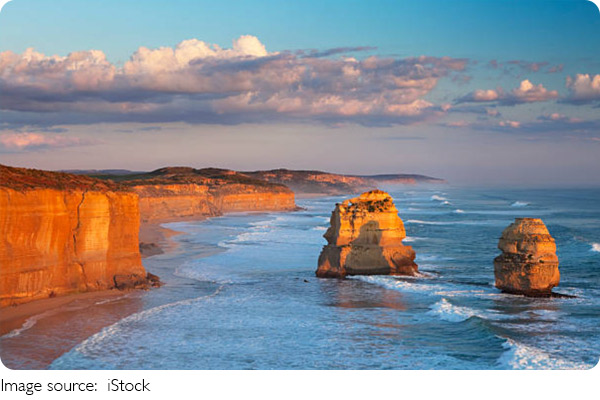
If your main goal is exploring the Twelve Apostles region, Port Campbell is often the most efficient choice.
Staying here allows you to visit major viewpoints during sunrise or sunset, when lighting conditions are generally more favorable and crowds are smaller.
A common mistake is staying only in Melbourne and attempting the entire route in a single day. While possible, this often means spending more time in the car than enjoying the coastline itself.
Great Ocean Rd
Plan a Coastal Day That Actually Works
The Great Ocean Road is approximately 240 kilometers long, but distance alone does not reflect driving time. Frequent stops, winding roads, and scenic viewpoints naturally slow the pace.
A well-structured day typically begins early.
Morning: Beat the Crowds
Leaving before 08:00 allows you to enjoy several major viewpoints before tour buses arrive.
One practical route begins from Apollo Bay:
• Great Otway National Park
• Gibson Steps
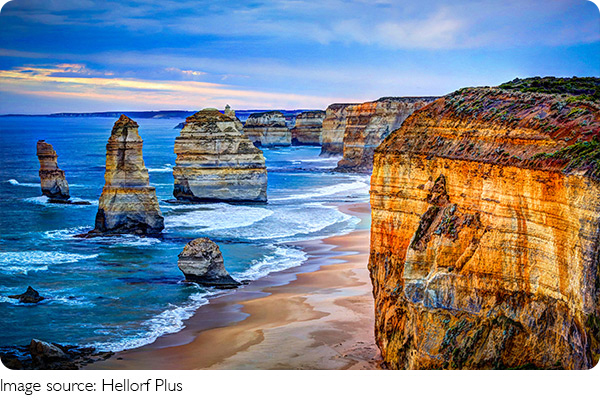
• Twelve Apostles
The drive itself is relatively short, but each stop deserves time.
Gibson Steps requires descending approximately 80 steps to reach beach level. Conditions vary depending on tides and weather, but it offers a completely different perspective compared with the viewing platforms above.
The Twelve Apostles viewing area is free to access and open throughout the day. Parking is also free, although spaces become more limited during busy periods.
Morning light often creates clearer views and softer colors compared with midday.
Midday: Slow Down Instead of Rushing
Between approximately 11:00 and 15:00, visitor numbers are usually at their highest.
Rather than jumping rapidly between viewpoints, this is often a good time to explore Port Campbell.
Lunch prices generally range from:
• Casual café: 15–25 AUD per person
• Restaurant meal: 25–45 AUD per person
This slower period also gives your eyes and mind a break from constant driving.
Many travelers underestimate fatigue on scenic roads. Even short distances require concentration due to curves and changing traffic conditions.
Late Afternoon: The Most Rewarding Window
From approximately 16:00 until sunset, many day visitors begin returning toward Melbourne.
This often creates one of the best opportunities to revisit major viewpoints.
The Twelve Apostles, Loch Ard Gorge, and nearby coastal lookouts frequently feel calmer during late afternoon than at midday.
If weather conditions cooperate, this period often delivers the most dramatic coastal colors of the day.
Instead of trying to visit every attraction, choose two or three locations and spend meaningful time there.
The Great Ocean Road rewards slower exploration much more than checklist-style sightseeing.
Avoid These Common Mistakes
Trying to See Everything
The coastline contains dozens of viewpoints. Attempting all of them usually creates stress rather than enjoyment.
Focus on a smaller number of meaningful stops.
Ignoring Weather Forecasts
Ocean conditions change quickly.
Even during warmer months, strong winds and rain showers can arrive unexpectedly. Always check local forecasts the evening before.
Starting Too Late
Many visitors leave Melbourne after breakfast and arrive at major attractions near midday.
Earlier departures generally provide a better experience.
Underestimating Driving Time
A route that appears short on a map often takes significantly longer because of scenic stops and slower coastal roads.
Allow flexibility throughout the day rather than following a rigid schedule.
For Lykkers, the most memorable moments often happen between destinations: a quiet ocean lookout, an empty section of coastal road, or a peaceful late-afternoon stop overlooking the Southern Ocean. With thoughtful planning and realistic pacing, the Great Ocean Road becomes far more than a scenic drive—it becomes a complete coastal experience.
Popular
Why Aries Burn Out So Fast
If you're an Aries who keeps running on empty, here's what's really going on and how to finally feel like yourself again.
Scorpio's Sleep Struggle
If you're a Scorpio who tosses and turns every night, your star sign might have a lot more to do with it than you think.
Cancer and Social Fatigue
Why social interactions can feel exhausting during and after cancer treatment
Huatulco, All Yours
Nine bays, calm seas, and small-town ease—discover why Huatulco feels exclusive yet welcoming.