Autumn Barns of Vermont
Autumn Barns of VermontPosted by Caleb Ryan on 03-06-2026
Useful Tips
For Lykkers dreaming of classic autumn landscapes, few places capture the season quite like Vermont.
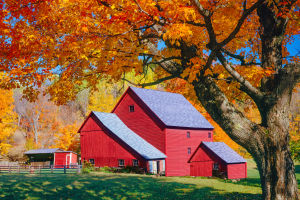
Rolling hills glow with shades of crimson, orange, and gold, country roads wind through forests, and weathered wooden barns stand quietly among fields that have witnessed generations of rural life.
It is the image many people imagine when they think of New England in autumn.
Yet Vermont's fall season is surprisingly short. Colors can peak and fade within a matter of weeks, accommodation prices rise quickly, and scenic roads become crowded during popular weekends. A successful trip depends less on how much you see and more on when you go, where you stay, and how you structure your days.
This guide focuses on two key decisions: choosing the right timing and base town, and building a realistic route that balances scenery, photography, and small-town exploration.
Visit During Peak Foliage and Choose a Strategic Base
The most important decision is timing.
Autumn colors do not arrive across Vermont at the same time. Elevation, weather, and location all influence when leaves change.
Generally speaking:
• Northern Vermont often begins changing in mid-to-late September.
• Central Vermont frequently reaches strong color between late September and early October.
• Southern Vermont may continue displaying vibrant foliage into mid-October.
Because weather varies every year, checking the latest foliage reports a week or two before departure is highly recommended.
For many travelers, the period between the last week of September and the second week of October often provides the best chance of seeing a broad range of colors.
How Long Should You Stay?
Three nights is usually the sweet spot.
This allows enough time to:
• Explore multiple scenic roads.
• Experience both sunrise and sunset conditions.
• Visit several villages without rushing.
• Adjust plans if weather changes.
A two-night trip can work, but you will spend a larger proportion of your time driving.
Where Should You Stay?
For first-time visitors, Woodstock is one of the most practical bases.
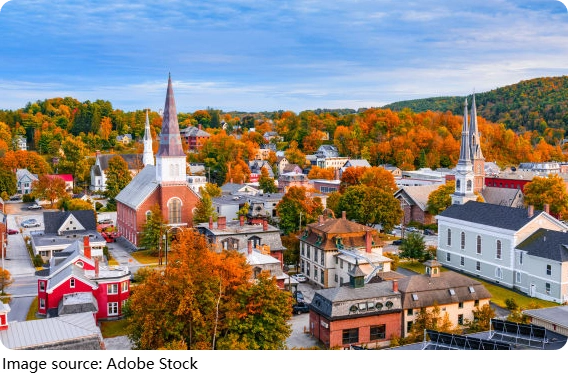
This historic village sits close to several scenic routes and offers easy access to covered bridges, countryside roads, and classic Vermont farmland.
Typical accommodation costs during foliage season often range from:
• Inns and guesthouses: approximately 180–350 USD per night.
• Mid-range hotels: approximately 250–450 USD per night.
• Boutique properties: often 450 USD and above during peak weekends.
Booking at least two to four months ahead is often advisable for autumn travel.
Another excellent option is Stowe, particularly for travelers interested in combining mountain scenery with countryside drives.
Vermont
Plan Scenic Drives Around Light and Traffic
The famous barns, fields, and colorful hillsides are not concentrated in one place. Vermont works best as a road-trip destination, where the journey itself becomes the attraction.
Start Early Each Morning
Many visitors underestimate how much better Vermont looks before crowds arrive.
Between approximately 07:00 and 10:00:
• Roads are quieter.
• Parking is easier.
• Villages feel calmer.
• Morning light often enhances the color of the foliage.
Early sunlight spreading across a hillside can transform an ordinary field into one of the most memorable scenes of the trip.
Rustic barns surrounded by colorful maples are particularly photogenic during these hours, when long shadows create depth across the landscape.
Follow a Scenic Loop Rather Than Chasing Attractions
One practical route from Woodstock might include:
Woodstock → Quechee → Pomfret → Barnard → Woodstock
The total driving distance is relatively modest, often less than 80 km depending on detours, but it can easily fill an entire day.
Allow time for:
• Covered bridge stops.
• Countryside viewpoints.
• Local farm shops.
• Village walks.
Many travelers make the mistake of trying to cover too much ground. Vermont's charm comes from slowing down, not checking locations off a list.
Use Midday for Village Exploration
Between approximately 11:00 and 15:00, traffic often increases, particularly on weekends.
This is an ideal time to explore village centers rather than driving continuously.
Typical meal costs often range from:
• Casual cafés: approximately 15–25 USD per person.
• Restaurants: approximately 25–50 USD per person.
Small village centers often provide opportunities to browse local shops, walk historic streets, and enjoy the slower pace that defines the region.
Save the Evening for Open Countryside
Late afternoon and early evening often showcase some of the most vibrant foliage colors of the day. As the sun gradually lowers in the sky, hillsides are bathed in warm, golden light that enhances the reds, oranges, and yellows of the autumn landscape. At the same time, many day visitors begin returning to larger cities, creating a quieter and more peaceful atmosphere.
This is an ideal opportunity to revisit scenic roads, explore viewpoints overlooking open farmland, or simply enjoy the changing colors. Many photographers consider the final hour before sunset to be the best time for capturing memorable autumn images, as the soft light adds depth and richness that is rarely seen at midday.
Avoid These Common Mistakes
Visiting Only on Peak Weekends
Saturday and Sunday during foliage season can be significantly busier.
If possible, include weekdays in your itinerary.
Booking Accommodation Too Late
Popular towns often sell out months in advance during peak color periods.
Driving Too Much
Vermont looks compact on a map, but constant stops naturally extend travel times.
Allow flexibility throughout the day.
Expecting Peak Color Everywhere
Different elevations change at different rates.
Some areas may be at peak color while others are already transitioning.
Typical Budget for Three Nights
Per traveler:
• Accommodation: approximately 540–1,350 USD.
• Rental vehicle: approximately 60–120 USD per day.
• Fuel and parking: approximately 50–100 USD total.
• Meals: approximately 40–100 USD per day.
Estimated total:
• Comfortable trip: approximately 900–2,000 USD depending on travel style and booking timing.
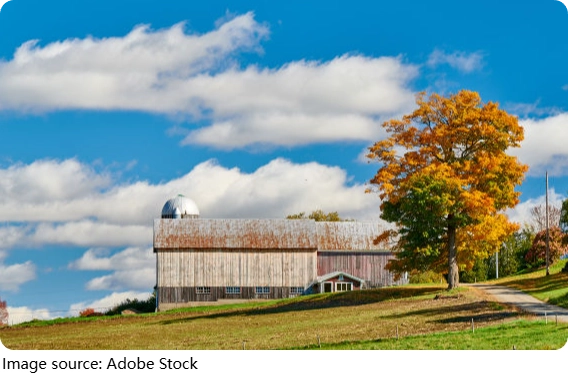
Vermont in autumn is not about rushing between famous attractions. It is about quiet roads, historic barns, colorful hillsides, and small villages that seem perfectly suited to the season. Visiting during the right foliage window, staying in a well-positioned town such as Woodstock or Stowe, and planning your days around morning and evening light can dramatically improve the experience.
For Lykkers, the magic of Vermont often appears in the simplest moments: a red barn at the edge of a field, a winding country road disappearing into golden trees, or a peaceful village street illuminated by autumn sunlight. With thoughtful planning, these moments become the highlights of a truly memorable fall journey.
Popular
Why Aries Burn Out So Fast
If you're an Aries who keeps running on empty, here's what's really going on and how to finally feel like yourself again.
Scorpio's Sleep Struggle
If you're a Scorpio who tosses and turns every night, your star sign might have a lot more to do with it than you think.
Cancer and Social Fatigue
Why social interactions can feel exhausting during and after cancer treatment
Huatulco, All Yours
Nine bays, calm seas, and small-town ease—discover why Huatulco feels exclusive yet welcoming.