Battery Life Warning!
Battery Life Warning!Posted by Declan Kennedy on 29-05-2026
Odd News
Hey, Friends! If you own an electric vehicle, you’ve probably wondered whether charging to 100% every night is the best habit.
At first, it seems like the smartest choice because a full battery gives you the maximum possible driving range.
Many drivers also enjoy the convenience of waking up each morning with their EV ready to go. Charging overnight can reduce the stress of searching for chargers during busy days or unexpected trips. But modern EV batteries are more complex than many drivers realize.
While today’s electric vehicles are designed with advanced battery protection systems, charging habits still have a major impact on long-term battery performance. The difference between charging smartly and charging carelessly may not appear immediately, but over the years it can influence driving range, charging efficiency, and overall battery lifespan.
Why Charging to 100% Too Often Can Be Harmful
Most electric vehicles use lithium-ion batteries, the same core technology found in smartphones and laptops, but on a much larger scale. These batteries perform best when they operate within a moderate charge range rather than constantly sitting near full capacity.
When an EV battery reaches 100%, the internal voltage becomes significantly higher. Higher voltage increases chemical stress inside the battery cells, which gradually accelerates wear over time. Heat generated during charging can intensify this effect, especially in warm climates or enclosed garages.
This does not mean charging to full is dangerous or immediately damaging. Modern battery management systems are specifically engineered to prevent overcharging. However, repeatedly keeping the battery at maximum charge can slowly reduce its ability to hold energy efficiently. That is why many EV manufacturers recommend maintaining a daily charging limit around 80%.
The 20% to 80% Charging Range Explained
Battery experts often recommend the “20% to 80% rule” for everyday driving. Keeping the battery above extremely low levels and below full capacity reduces stress on the cells. This balanced range helps preserve battery chemistry and supports longer-term performance stability.
For many drivers, charging to 80% overnight is more than enough. A typical commute may only consume a fraction of the available range, making a daily 100% charge unnecessary. For example, if your EV offers 300 miles of range, and your average daily driving is only 40 to 60 miles, regularly topping the battery to full provides little practical benefit while increasing long-term strain.
Overnight Charging Is Usually Safe
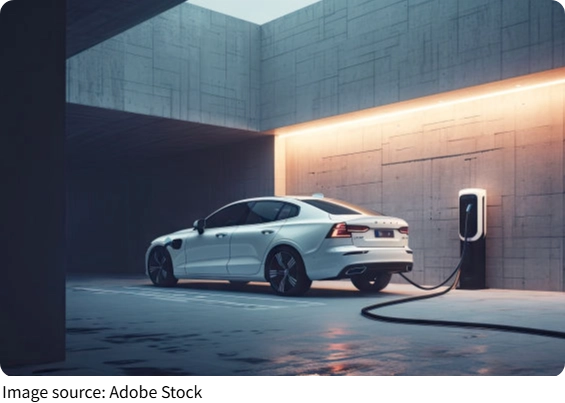
The good news is that overnight charging itself is not the real problem. Modern EVs are equipped with sophisticated software that manages charging speed, monitors temperature, and stops the process when the battery reaches the chosen limit. Many vehicles even allow owners to schedule charging sessions during off-peak electricity hours.
This means you can safely plug in your vehicle overnight without constantly worrying about battery damage—provided you set appropriate charging limits. Some manufacturers even include “daily” and “trip” charging modes. Daily mode typically stops around 80%, while trip mode allows full charging before long-distance travel. Using these built-in tools is one of the smartest ways to protect battery health without sacrificing convenience.
When Charging to 100% Actually Makes Sense
There are situations where charging fully is absolutely reasonable. Long road trips, rural driving routes, cold weather travel, or unpredictable schedules may require the maximum available range. In these cases, charging to 100% helps reduce range anxiety and minimizes the need for extra charging stops.
However, timing matters. Many EV specialists recommend charging to full shortly before departure rather than letting the vehicle sit at 100% for long periods. Allowing the battery to remain fully charged overnight and unused for extended hours can create unnecessary stress. If possible, schedule charging so the battery reaches maximum capacity close to the time you plan to leave.
Fast Charging Should Be Used Strategically
DC fast charging is incredibly useful during travel, but relying on it too frequently can increase battery temperatures more aggressively than slower Level 2 charging. Higher heat exposure contributes to faster battery degradation over time.
Occasional fast charging is perfectly fine, especially during road trips, but slower overnight home charging is generally healthier for daily use. Think of fast charging as a convenience tool rather than your primary charging method.
Climate Also Affects Battery Performance
Temperature plays a major role in EV battery longevity. Extremely hot conditions can accelerate battery aging, especially when combined with frequent full charging. Very cold temperatures may temporarily reduce driving range and charging efficiency.
Parking in shaded areas, using garage charging when possible, and avoiding prolonged exposure to extreme heat can help maintain healthier battery performance over the years. Some EVs include thermal management systems that automatically regulate battery temperature, but charging habits still matter.
Maintaining healthier charging routines does more than protect the battery. It can also reduce long-term ownership costs. A well-maintained battery retains driving range more effectively, which helps preserve vehicle value and reduces the likelihood of expensive battery replacement in the future.
Your EV battery is one of the most valuable components of your vehicle. Small daily choices—like limiting routine charging to 80%—can add years of healthy performance. You don’t need to fear 100% charging entirely; just reserve it for road trips and long journeys.
By combining smart charging habits, overnight Level 2 charging, and attention to extreme temperatures, you can maximize driving range, protect resale value, and enjoy your electric vehicle with confidence for many years ahead.
Popular
Rise of Electric Cars
Faster charging and lower costs are driving EVs into the mainstream.
Sports Cars in Red!
Why does red just hit different?! These sports cars look perfect in one color!
Fuel Tank Truths!
Half tank rule or brim fill-up? One choice may shape fuel stops more than expected!
Cold Roads Trick!
Clear roads or silent danger? Winter driving mistakes happen faster than you think!