Radar and Camera in ADAS
Radar and Camera in ADASPosted by Finnegan Flynn on 22-05-2026

On Trend
Advanced driver-assistance systems (ADAS) have become integral to modern vehicles, providing critical functionalities such as automatic emergency braking, lane-keeping assistance, and adaptive cruise control.
These systems rely on a sophisticated network of sensors that continuously monitor the vehicle’s surroundings. Central to this capability is the integration of radar and camera technologies, which together provide a comprehensive and reliable perception of the environment.
Sensor Capabilities and Limitations
Radar Performance
Radar sensors transmit millimeter-wave radio signals and measure reflections to determine the distance and velocity of objects. They perform reliably in adverse weather conditions, including fog, rain, and low-light environments, and can track moving objects at long range with high precision. However, radar cannot accurately determine an object’s visual characteristics; for example, pedestrians, barriers, or other large objects may produce similar radar signatures.

Camera Performance
Cameras capture high-resolution visual data, enabling identification of lane markings, traffic signs, pedestrians, cyclists, and other vehicles. Their limitations include susceptibility to poor visibility conditions such as low light, heavy rain, or direct sunlight, as well as challenges in estimating object depth and speed without supporting reference data.
Sensor Fusion: Creating a Unified Environmental Model
Sensor fusion integrates radar and camera data into a coherent and accurate model of the surrounding environment. Data streams from both sensors are synchronized in real time and spatially aligned, ensuring that objects detected by radar correspond precisely with visual data captured by cameras.
This complementary approach allows each sensor to compensate for the other’s limitations. Radar can provide accurate distance measurements when visual data is unreliable, while cameras supply object classification that radar alone cannot achieve. Machine learning algorithms further enhance classification accuracy by continuously analyzing large datasets, identifying vehicles, pedestrians, cyclists, and other road features.
Enabling Advanced Safety Functions
The synergy between radar and cameras underpins the operation of key ADAS features. Adaptive cruise control maintains safe distances using radar, while cameras monitor lane position and interpret traffic signage. Automatic emergency braking combines radar-based distance detection with visual object classification, enabling appropriate responses to pedestrians, cyclists, or stationary obstacles. Dual-sensor detection ensures reliable identification even at the limits of sensor range, enhancing overall vehicle safety.
Necessity of Multi-Sensor Integration
No single sensor technology can reliably address all driving conditions. Camera-only systems are limited in low visibility, while radar-only systems lack the specificity required for object classification. LiDAR provides three-dimensional mapping but is not yet cost-effective for mass-market vehicles. Radar-camera sensor fusion offers a practical, robust, and commercially viable solution, forming the foundation of modern ADAS technology and supporting the next generation of autonomous vehicle systems.
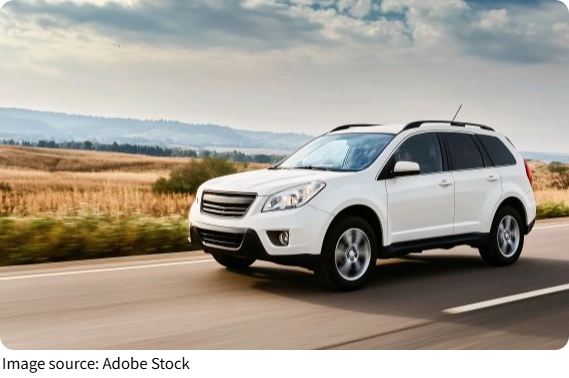
The integration of radar and camera technologies in ADAS enables accurate detection, classification, and tracking of objects under diverse environmental conditions. Sensor fusion is essential for reliable operation of safety-critical features and represents the cornerstone of contemporary vehicle autonomy.
Popular
Clear View Drive
Why Does Your Windshield Fog Up on Rainy Days? Try These Simple Tricks for Instant Clarity While Driving!
Motorcycle Brake Check
Most Riders Skip This One Step — And It's the Reason Brakes Fail Without Warning
Motorcycle Cleaning Guide
Motorcycle After Rain: How to Clean, Dry, and Protect Your Bike From Corrosion
GPS Map Updates Explained
How modern navigation systems update maps wirelessly and pull real-time traffic from millions of drivers.