Wind, Ice, and Wild Land
Wind, Ice, and Wild LandPosted by Sofia Alvarez on 26-05-2026
Useful Tips
At the southern tip of South America, granite spires pierce the clouds, glaciers calve ice into turquoise lakes, and trails cut through landscapes untouched by time.
Patagonia is not a single destination—it is an entire region of extremes, spanning from the steppe grasslands of Argentina's east to the fjords and ice fields of Chile's west.
Planning a trip here requires decisions, logistics, and layers of warm clothing, but what awaits makes every complication worthwhile.
Patagonia
Torres del Paine
Chile's crown jewel national park draws trekkers from around the world to witness its trio of granite towers, massive glaciers, and electric-blue lakes. The famous W Trek—a four- to five-day route covering the park's highlights—requires advance booking of campsites or mountain refugios, which must be reserved months ahead for peak season.
Park entrance fees now follow a route-based system booked through Chile's official portal, with most multi-day permits costing approximately $40 to $55. Day visitors pay a lower fee. Round-trip bus transportation from the gateway town of Puerto Natales costs roughly $30 to $40.
Refugio accommodation along the W Trek ranges from $70 to $150 per night including meals, while camping permits at designated sites cost $10 to $25 per night. Independent camping outside designated areas is prohibited. The park is best visited from November through March, with December and January offering the longest daylight and warmest (though still windy) conditions.
Perito Moreno Glacier
On the Argentine side, Perito Moreno Glacier near El Calafate is one of few advancing glaciers on Earth—a wall of blue ice roughly five kilometers wide and 60 meters tall. Extensive boardwalks offer free viewing once inside Los Glaciares National Park, where the entrance fee for international visitors is approximately $20 to $30.
Watching—and hearing—massive ice chunks crash into the lake below is a genuinely thrilling experience that requires no special equipment.
For those wanting to walk on the glacier itself, the Minitrekking experience (1.5 to 3 hours on ice with crampons and guides) costs approximately $320 to $370 per person, booked through authorized operators like Hielo y Aventura. The Big Ice trek, a longer and more demanding option, runs $185 to $310. Both sell out rapidly during peak season—booking two to three months ahead is essential.
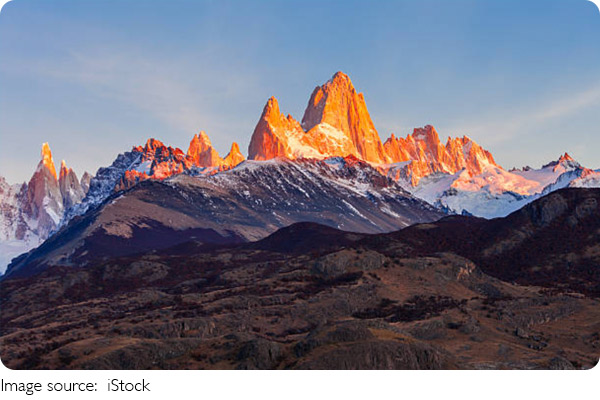
El Chalten Hiking
Argentina's self-proclaimed hiking capital, El Chalten, sits at the base of Mount Fitz Roy and offers some of the most spectacular free day hikes in South America. The trail to Laguna de los Tres—the iconic viewpoint beneath Fitz Roy's jagged peaks—covers roughly 25 kilometers round trip and takes eight to ten hours.
The Laguna Torre trail, slightly shorter, leads to a glacial lake with views of Cerro Torre's needle-like summit. Both trailheads begin directly from town, require no entrance fees or permits, and are well-marked. El Chalten is reachable by bus from El Calafate in approximately three hours for $15 to $25 one way.
Where to Stay
El Calafate offers the widest accommodation range. Budget hostels start from $50 to $70 per night, mid-range hotels run $120 to $180, and luxury properties command $250 to $350. El Chalten is smaller and more rustic—hostels start from $30 to $60, guesthouses from $80 to $140.
Puerto Natales, the gateway to Torres del Paine, provides hostels from $25 to $50 and hotels from $80 to $200. Peak season (December through February) demands booking two to three months ahead. Shoulder months of October, November, and March offer 20 to 40 percent savings with fewer crowds.
Getting Around
Domestic flights connect Buenos Aires to El Calafate (approximately 3.5 hours, $100 to $300 round trip) and Santiago to Punta Arenas (roughly 3.5 hours, $80 to $250). Buses connect all major Patagonian towns—El Calafate to El Chalten costs $15 to $25, and Puerto Natales to Punta Arenas runs $10 to $20.
Crossing the Chile-Argentina border by bus (Puerto Natales to El Calafate, approximately six hours) costs $25 to $40—carry your passport as immigration is thorough. Car rental provides maximum flexibility at approximately $50 to $100 per day, though unpaved roads require careful driving.
Gear Essentials
Patagonia is famous for the saying "four seasons in one day." Windproof and waterproof outer layers are non-negotiable regardless of season. Temperatures range from 40 to 65 degrees Fahrenheit in summer and plunge near freezing even on sunny days when wind picks up. Layered thermal clothing, sturdy waterproof hiking boots, sunscreen, and UV-blocking sunglasses handle most conditions.
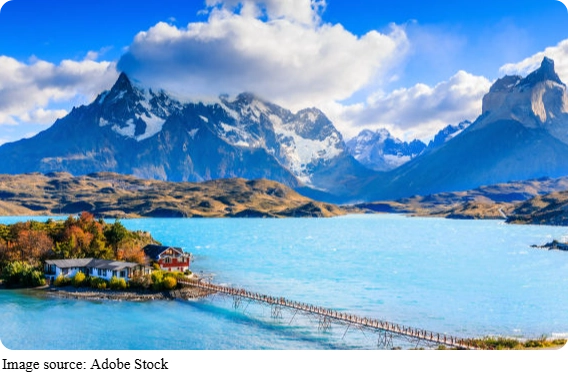
Readers, Patagonia is the kind of place that makes you feel very small and very alive at the same time. The glaciers with sounds like thunder, the towers disappear into clouds and reappear when they choose, and every trail delivers views that feel earned in the deepest possible way. If you could stand at just one Patagonian viewpoint—Fitz Roy at sunrise or Perito Moreno's ice wall—which would you choose?
Popular
Koh Pah Island Escape
White Sand, Clear Waters, and a Peaceful Andaman Experience
Greenland: Frozen Infinity
Icebergs, Arctic landscapes, and unforgettable wilderness experiences
Ice and Silence
Tasiilaq clings to Greenland's eastern coast where icebergs drift, fjords glow, and the modern world fades.
The Tallest Veil of Water
Yosemite Falls drops 2,425 feet in three stages—North America's tallest waterfall in a granite cathedral.