Frozen Light Below Ice
Frozen Light Below IcePosted by Finnegan Flynn on 26-05-2026
Useful Tips
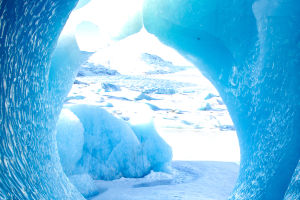
Lykkers, deep inside Europe's largest glacier, sunlight filters through compressed ice that is hundreds of years old, transforming the interior into a luminous chamber of electric blue, crystal white, and deep indigo.
Iceland's ice caves—naturally carved by meltwater beneath the Vatnajökull glacier—are among the most awe-inspiring natural formations on the planet.
They exist only for a few months each winter, reshape themselves constantly, and no two visits ever reveal the same cave. This is nature at its most temporary, beautiful, and humbling.
Vatnajökull glacier
When Caves Form
The ice cave season runs from mid-November through March, when freezing temperatures stabilize the glacier enough for safe exploration. During these months, meltwater channels that carved through the ice during summer refreeze into tunnels and chambers with walls that glow in deep blue—the result of centuries of compressed snowfall squeezing air bubbles out of the ice.
By April, rising temperatures begin destabilizing the structures, and tours shut down until the following winter. Each season produces entirely new cave formations in different locations, meaning returning visitors never see the same cave twice.
Tour Details
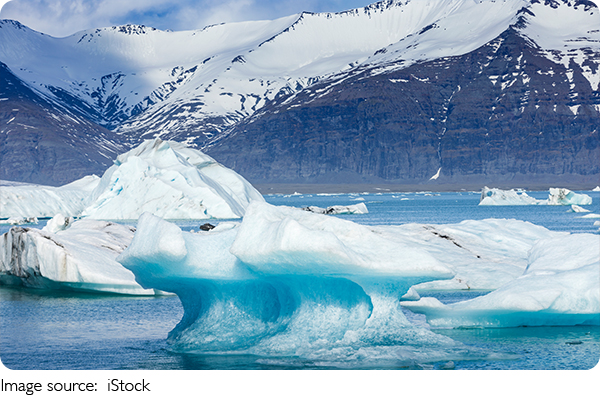
Visiting an ice cave independently is extremely dangerous and strictly discouraged. Certified glacier guides are mandatory. Most tours depart from the Jökulsárlón Glacier Lagoon area on Iceland's southeast coast. A standard half-day tour—typically lasting 2.5 to 4 hours—costs approximately $150 to $250 per person.
This generally includes Super Jeep transportation across the glacier's rough terrain, all necessary safety equipment (helmets, crampons, headlamps), and expert guidance through the cave. Some operators offer combination tours pairing ice cave exploration with glacier hiking for roughly $200 to $320. The Crystal Ice Cave, one of the most famous formations, is the destination for many tours, though the specific cave visited varies each season.
What to Wear
Dressing properly is non-negotiable. Thermal base layers, a warm fleece or down mid-layer, and a fully waterproof and windproof outer shell form the minimum. Sturdy, waterproof hiking boots with strong ankle support are essential—crampons attach directly to them. Warm hats, scarves, and waterproof gloves complete the outfit.
Temperatures inside the caves hover around freezing, and wind on the glacier surface can drop the wind chill dramatically. Tour operators provide helmets and crampons but not clothing, so arriving properly dressed is each visitor's responsibility.
Booking Strategy
Ice cave tours sell out weeks and sometimes months in advance, particularly during the peak holiday period from December through early January. Booking as early as possible—ideally two to three months ahead—secures the best availability and pricing. Reputable operators include Glacier Guides, Ice Guardians, and South Adventure.
Always verify that operators carry proper certification and carry emergency equipment including supplemental oxygen and communication devices. Weather cancellations happen frequently due to Iceland's volatile conditions—flexible travel plans and good travel insurance covering glacier activities are strongly recommended.
Where to Stay
The Jökulsárlón area sits roughly 375 kilometers (a 4.5-hour drive) from Reykjavík, making nearby accommodation essential. Guesthouses and small hotels along the Ring Road near Hali and Höfn offer the most convenient bases. Budget guesthouses like Vagnsstadir and Lækjarhus Farm start from approximately $80 to $130 per night.
Mid-range options like Hali Country Hotel and Ekra Glacier Lagoon range from $150 to $250 nightly. The town of Höfn, about one hour east, provides additional restaurants, shops, and budget-friendly hostels from $50 to $90 per night. Many properties offer shared kitchens—a significant money-saver in a country where restaurant meals typically cost $25 to $50 per person.
Year-Round Alternatives
For travelers visiting outside winter, two options keep the ice cave experience accessible. The Katla Ice Cave near Vík is one of the few natural ice caves open year-round, with guided tours costing approximately $100 to $160 per person. The man-made ice tunnel at Langjökull Glacier—an engineered corridor carved directly into the glacier—operates throughout the year, with tours running $120 to $180 per person including Super Jeep transport from the base camp.
Practical Reminders
Always check road conditions at road.is and weather forecasts at vedur.is before driving in Iceland, especially along the Ring Road in winter. Rental car insurance covering gravel and ash damage is worth the extra $15 to $25 per day. Fuel prices average approximately $2.30 per liter. Carry snacks and a thermos, as services between towns on the southeast coast are sparse.
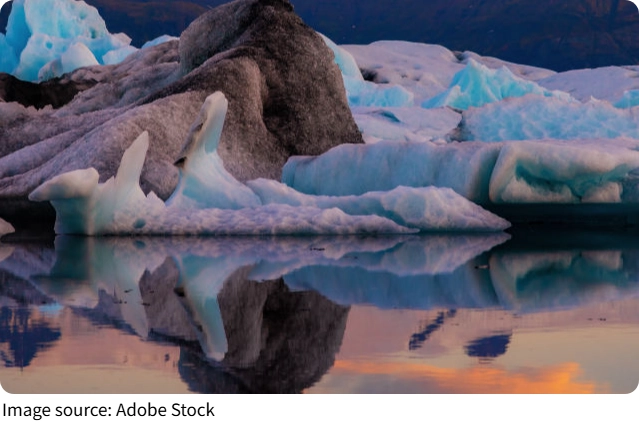
Readers, standing inside a glacier cave while blue light pulses through ancient ice is an experience that challenges the boundary between nature and art. These formations exist for just a few fragile months before the Earth reshapes them into something entirely new. Have you ever witnessed something so beautiful precisely because you knew it would not last?
Popular
Koh Pah Island Escape
White Sand, Clear Waters, and a Peaceful Andaman Experience
Greenland: Frozen Infinity
Icebergs, Arctic landscapes, and unforgettable wilderness experiences
Ice and Silence
Tasiilaq clings to Greenland's eastern coast where icebergs drift, fjords glow, and the modern world fades.
The Tallest Veil of Water
Yosemite Falls drops 2,425 feet in three stages—North America's tallest waterfall in a granite cathedral.