Finnish Lapphund: 5 Facts!
Finnish Lapphund: 5 Facts!Posted by Chris Isidore on 22-05-2026
Wild Animals
Unless you’ve ventured into the Arctic regions of Europe or worked alongside reindeer, the Finnish Lapphund may not be instantly familiar. However, among enthusiasts, this breed is quietly admired for its balance of temperament and purpose.
It combines calmness with alert intelligence, showing eagerness without being overly demanding. The Lappie’s thoughtful breeding makes it not just a capable working dog, but also a remarkably well-rounded companion.
A Refined Look Shaped by Harsh Climates
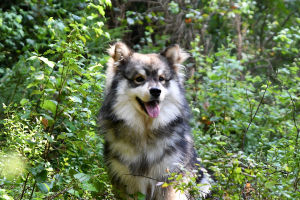
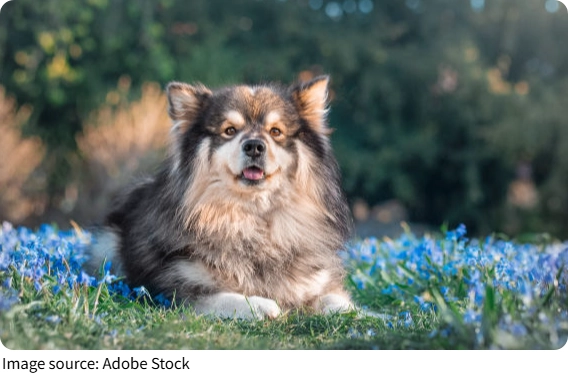
At first glance, the Finnish Lapphund appears larger than it really is. This illusion comes from its thick double coat—an essential adaptation to Arctic conditions rather than a purely aesthetic trait. Beneath that insulating layer is a medium-sized dog, typically standing between 16 and 21 inches at the shoulder.
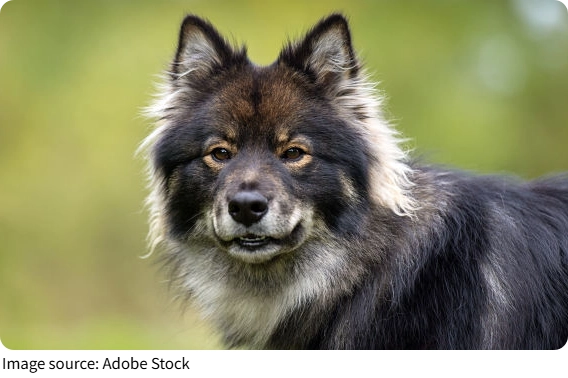
The outer coat ranges from straight to slightly wavy, while the undercoat is dense and soft, built to trap heat efficiently. Unlike some northern breeds that look aloof, Lapphunds have a notably gentle face expression—soft eyes, slightly curved ears, and a relaxed demeanor that signals approachability. This combination of rugged design and warm expression is not accidental; it reflects centuries of selective breeding for cooperation with humans.
Deep Roots in Sami Culture
The origins of the Finnish Lapphund are closely tied to the Sami people, an Indigenous group inhabiting regions across northern Finland, Sweden, and Russia. Archaeological evidence suggests that dogs resembling modern Lapphunds existed as far back as 7000 B.C., making this one of the oldest working dog lineages still in existence.
Originally, these dogs assisted with hunting and guarding camps. As Sami society gradually transitioned toward reindeer herding, the role of the Lapphund evolved as well. Unlike sheepdogs that rely heavily on eye contact and silent control, Lapphunds developed a more vocal and reactive style suited to managing semi-wild reindeer. This historical context explains many of the breed’s modern traits—its alertness, resilience, and ability to make independent decisions when necessary.
Built for Reindeer, Not Sheep
Herding reindeer is a fundamentally different challenge compared to working with animals like sheep. Reindeer are faster, less predictable, and equipped with sharp hooves that can seriously injure a dog. To succeed in this environment, Lapphunds needed more than obedience—they needed instinctive awareness. This is where their agility and reflexes come into play.
The breed is known for its quick lateral movement and strong startle response, allowing it to dodge sudden kicks or charges. Rather than dominating the herd, the Lapphund influences movement through positioning, vocal cues, and timing. Even today, these instincts remain visible. Lappies tend to be alert to motion, responsive to sudden changes, and highly attuned to their surroundings.
The Voice That Defines Them
One of the most distinctive—and sometimes challenging—traits of the Finnish Lapphund is its tendency to bark. In its original working environment, barking wasn’t a flaw; it was a tool. The dogs used vocalization to guide and control reindeer across wide, open landscapes.
In a modern home, this instinct doesn’t disappear. Lapphunds are naturally communicative and will often alert their owners to new sounds, visitors, or unusual activity. This makes them excellent watchdogs, though not in the traditional sense. Training plays a crucial role here. Teaching a Lappie when to bark—and when not to—is essential for maintaining harmony in a household setting. Fortunately, their intelligence makes this process manageable with consistent guidance.
A “Thinking Breed” With Purpose
Among trainers and enthusiasts, the Finnish Lapphund is often described as a “thinking breed.” This label reflects its ability to assess situations rather than simply react to commands. Unlike dogs that rely entirely on handler direction, Lapphunds are capable of independent problem-solving. This trait can sometimes be mistaken for stubbornness, but it’s more accurately a sign of cognitive depth.
When properly engaged, Lappies excel in a wide range of activities, from obedience and agility to scent work and therapy roles. Organizations like the American Kennel Club recognize the breed’s versatility, noting its success in tracking, search-and-rescue, and emotional support settings. What sets the Lapphund apart is not just its ability to learn, but its willingness to collaborate.
Although long established in Finland, the Finnish Lapphund is only recently gaining recognition in other parts of the world. As more people discover the breed, its appeal becomes clear: it offers the intelligence of a working dog without the intensity that can overwhelm inexperienced owners.
Popular
Rabbit Ear Secrets
Why Are Rabbit Ears So Long? These Hidden Functions Explain Why Rabbits Are Smarter And Cuter Than We Imagine!
Graceful Fish Care
How Can We Keep Angelfish Healthy and Elegant at Home? Easy Aquarium Tips for a Calm and Beautiful Underwater World!
Nature’s Venom Shield
Tiny eyes, venom-proof blood? Nature really made this thing different!
Sneaky Pet Labels
Can a cute package make your cart less logical?