Wild Tiger Power
Wild Tiger PowerPosted by Owen Murphy on 20-05-2026
Wild Animals
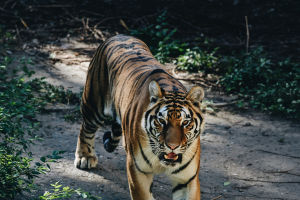
When we think about powerful wild animals, tigers often come to mind first. Their sharp eyes, silent movement, and explosive strength make them one of the most respected hunters on Earth.
For centuries, people across many cultures have admired these striped giants and wondered how they became such dominant predators.
In recent years, more wildlife researchers and nature lovers have started discussing one question: why do tigers seem almost unbeatable in the wild? The answer is not only about power. Their success comes from a combination of intelligence, patience, body control, and survival instincts developed over thousands of years. Today, let us explore the hidden reasons behind the tiger’s incredible reputation and discover why this magnificent animal continues to amaze the world.
Powerful Bodies Built for Survival
One major reason tigers perform so well in nature is their impressive physical ability. A fully grown tiger can weigh hundreds of pounds while still moving quietly through forests, grasslands, and wetlands. Their strong legs allow them to leap long distances and suddenly rush toward prey with surprising speed.
Tigers also have excellent muscle control. Every movement is precise. Their shoulders, back, and limbs work together smoothly, helping them stay balanced during fast attacks. Their paws are soft enough to reduce sound, which helps them approach targets without being noticed.
Another important feature is their jaw strength. Tigers can quickly secure prey by targeting sensitive areas such as the neck. Combined with long claws and powerful forelimbs, this makes them highly effective hunters.
Even their striped fur plays an important role. In forests with shadows and tall plants, the stripes break up the tiger’s body outline, helping it blend naturally into the environment. Many animals fail to notice danger until it is already close.
Excellent Hunting Skills in the Wild
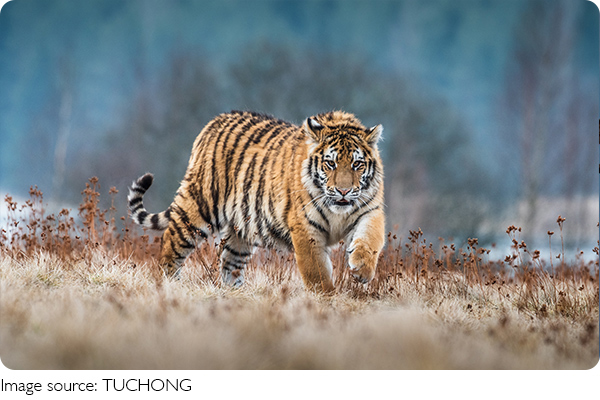
Tigers are not animals that chase endlessly across open land. Instead, they depend on patience and timing. A tiger may spend a long period quietly observing before making a move. This careful style saves energy and increases hunting success. Their hearing is extremely sharp. Tigers can detect small movements in dense vegetation, even from far away. Their eyesight is also excellent during low-light hours, especially around sunrise and sunset when many animals are active.
When a target enters the right position, the tiger moves quickly and silently. The final attack often lasts only a few seconds. This combination of calm observation and explosive action is one reason tigers stand at the top of the food chain.
Unlike many smaller predators, tigers usually hunt alone. This independent style requires confidence and skill. Each successful hunt depends entirely on the tiger’s own abilities.
Territory Awareness Gives Tigers an Advantage
Another fascinating part of tiger behavior is their strong sense of territory. Every tiger controls a specific area where it searches for food, rests, and raises young. By protecting this space, the animal reduces competition and improves survival chances.
Tigers leave scent marks and scratches on trees to warn others to stay away. These signals help avoid unnecessary fights and maintain distance between individuals.
They also regularly patrol their territory. During these patrols, tigers check for changes, locate prey activity, and watch for possible threats. This awareness allows them to stay connected with their environment at all times.
Because of this territorial system, tigers often know their surroundings extremely well. They remember pathways, hiding spots, water sources, and safe resting areas. This deep familiarity gives them a major advantage over both prey and rivals.
Smart Survival Strategies
Although tigers are usually solitary animals, they still show forms of cooperation during breeding and parenting. Female tigers carefully protect and teach their cubs, helping them learn survival skills step by step.
Young cubs stay with their mother for a long period. During this time, they observe hunting methods, movement techniques, and danger awareness. These lessons are essential for life in the wild.
Tigers are also highly adaptable. They can survive in tropical forests, snowy regions, grasslands, and swampy areas. This flexibility has helped them continue living across different climates and landscapes.
Another interesting point is their energy management. Tigers do not waste effort unnecessarily. They carefully choose when to hunt, when to rest, and when to move. This balanced lifestyle improves long-term survival.
Why Tigers Have Few Natural Rivals
In natural ecosystems, few animals are willing to challenge a healthy full-grown tiger. Their size, speed, and confidence create a strong presence that many creatures avoid. However, the biggest challenge for tigers today comes from habitat loss and illegal hunting activities. As forests shrink and human activity expands, tiger populations face increasing pressure. Food sources become harder to find, and safe living spaces continue to decrease. Despite these challenges, tigers remain symbols of resilience and natural strength. Their survival over centuries shows how perfectly they are designed for life in the wild.
The Importance of Protecting Tigers
Protecting tigers is not only about saving one beautiful species. Tigers help maintain balance in nature by controlling prey populations and supporting healthy ecosystems.
When tiger habitats are protected, many other plants and animals also benefit. Forests stay healthier, water systems remain more stable, and biodiversity improves.
Many countries now support conservation programs, wildlife reserves, and anti-poaching efforts to help tiger populations recover. Public awareness has also grown significantly in recent years.
As visitors, readers, and nature lovers, we can support responsible tourism, learn more about wildlife conservation, and encourage respect for natural habitats.
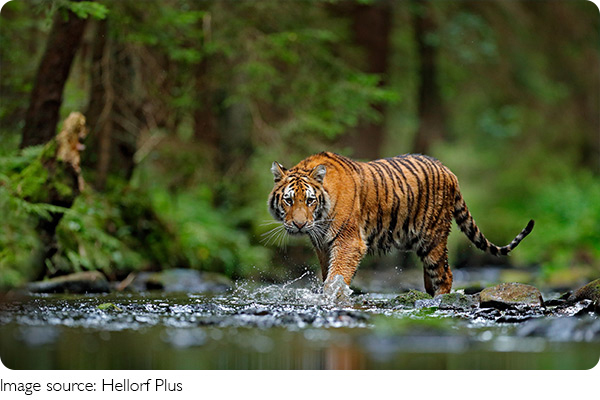
Dear Lykkers, the tiger’s fearsome reputation is not built on strength alone. Its patience, intelligence, sharp senses, and survival strategies all work together to create one of nature’s most remarkable hunters. The more we understand these animals, the more we realize how important they are to the natural world. Protecting them means protecting forests, ecosystems, and the balance of life itself.
Next time we see a tiger in a documentary, wildlife park, or nature photograph, perhaps we will admire not only its beauty, but also the incredible story of survival hidden behind those famous stripes.
The Silent Power of Tigers: Nature’s Most Fearless Predator 🐅😱
Video by OMGWild
Popular
Lion Mane Secrets
Why Do Lions With Fuller Manes Attract More Attention? The Hidden Science Behind Power, Strength, and Selection!
Wild Tiger Power
Why Do Tigers Seem Unstoppable in the Wild? Their Hidden Strength and Hunting Skills May Surprise You!
Night Hunt Mastery
How Does the African Leopard Turn Silent Night Into a Powerful Hunting Advantage in the Wild?
Doorway Cat Secrets
Why Does Your Cat Wait at the Door Every Day? 5 Reasons Behind This Strange Habit You Never Noticed Before!