Tail Talk: Cat Emotions
Tail Talk: Cat EmotionsPosted by Liam Reilly on 28-04-2026

On Trend
Cats speak a language most humans miss. Beyond meows and purrs, their tails reveal feelings with astonishing clarity.
A slow sway signals calm, a quick flick shows curiosity or irritation, and a fast swish warns of overstimulation. By learning these subtle movements, you can understand your cat better and strengthen your bond.
Even when a cat seems relaxed, its tail can tell a different story—a slow sway, a sharp flick, then stillness. That small movement communicates more than words ever could.
The Gentle Sway of Comfort
When a cat is calm and comfortable, the tail moves in slow, smooth arcs. It flows rather than twitches. You’ll see this during quiet moments when the cat is resting but aware of its surroundings. It’s like background breathing—steady, relaxed, and unhurried.
The Quick Flick of Attention
A sudden flick at the tip of the tail shows focus. The cat might be tracking a sound or movement. If the flicking repeats, it often signals rising interest or mild irritation—a small, clear message that something has interrupted the calm.
The Upright Signal
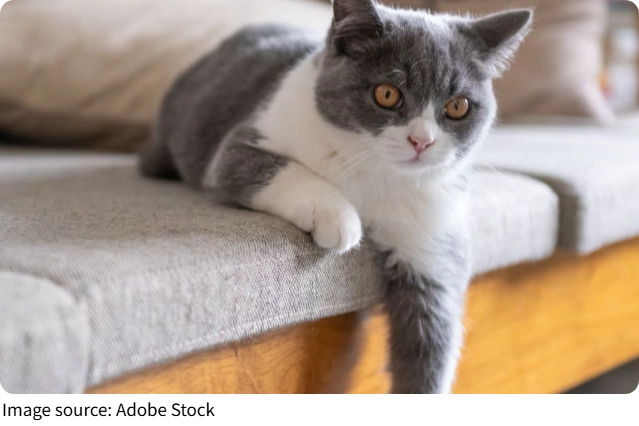
When the tail rises straight up, it is one of the most recognizable cat gestures. This position often appears when the cat is approaching something familiar or greeting someone it trusts. It is a posture of openness. The cat is alert but not defensive. The base of the tail may stay steady while the tip sometimes curves slightly, adding nuance to the message. In multi-cat environments, this posture also helps with social recognition, acting like a visible identifier among individuals.
The Fast Swish Warning
A fast, forceful movement from side to side is where emotions become more intense. This is not a relaxed signal. It often appears when the cat is overstimulated or deciding whether to disengage from a situation. You might see it during petting sessions that go on a bit too long or when something interrupts their focus. The body may still be seated or lying down, but the tail becomes the most expressive part. It is a clear boundary marker—quiet, but firm.
The Hidden Complexity of a Simple Tail
What makes feline tail language fascinating is how layered it is. The same tail can shift from calm to alert to irritated within minutes, depending on the environment.
1. Slow movement often reflects comfort or observation
2. Quick flicks indicate attention shifts or sensitivity
3. Upright posture signals openness or recognition
4. Fast swishing suggests overstimulation or decision-making
None of these signals exist in isolation. They often blend together, creating a continuous stream of subtle communication. In the end, a cat's tail is not just an accessory to balance or movement. It is a real-time emotional indicator, constantly updating its surroundings in silent detail.
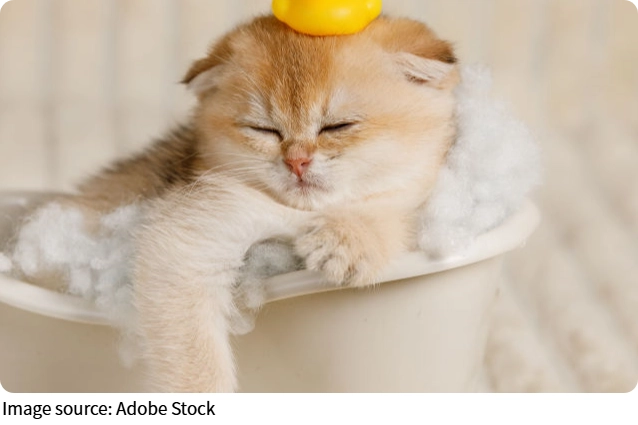
Understanding your cat's tail is like learning a new language. Observing slow sways, quick flicks, upright signals, and fast swishes lets you interpret emotions and respond appropriately. Every flick, curl, and swish tells a story if you take the time to watch and listen.
Popular
Small Herding Dog!
Is it instinct or training? How corgis command animals their size!
Marmots: Secrets Revealed
From loud whistles to months-long hibernation, discover the incredible survival strategies of these alpine rodents
The Cheetah's Speed
Discover how cheetahs achieve unmatched bursts of speed in the wild.
Cats & Dogs Bond
Why natural rivals sometimes become the closest companions.