Indoor Plant Care Guide
Indoor Plant Care GuidePosted by Arvind Singh on 27-04-2026
Useful Tips
Many of us have experienced bringing home a beautiful plant, full of life and color, only to notice it gradually becoming weaker over time.
This situation is quite common and often leaves us wondering what went wrong. Indoor plant care is not just about watering from time to time—it’s about truly understanding the needs of each plant.
We gradually learn that plant care is a two-way choice. On one side, we choose plants that fit our home. On the other side, we need to create an environment where plants can grow comfortably. Once we understand this balance, everything becomes easier and more enjoyable.
Choosing the Right Plant for Our Space
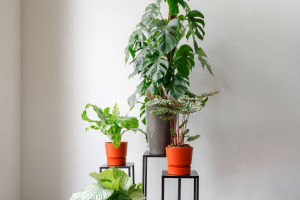
Different plants have different needs. Some require strong sunlight, while others grow well in shade. For example, plants like bird of paradise, fiddle-leaf fig, and rubber tree need at least 4–6 hours of light daily. These should be placed near windows or bright indoor spots.
Meanwhile, plants like pothos or ZZ plant can tolerate low light and are suitable for bathrooms or corners with little sunlight.
We should also consider space. In smaller rooms, large plants with wide leaves may feel overwhelming. Choosing smaller or medium-sized plants helps keep the space balanced and comfortable.
Placement Matters More Than We Think
Once we find a good spot for a plant, we should avoid moving it too often. Many indoor plants are sensitive to changes in temperature and light. Sudden changes can affect their growth and even cause leaves to fall.
Keeping a stable environment allows plants to adapt and grow steadily. If a plant looks healthy in one spot, it’s best to let it stay there.
Safety Comes First at Home
If we have kids or pets at home, safety becomes very important. We should avoid plants with sharp thorns or those that may cause irritation if touched.
Choosing safe and gentle plants ensures that everyone in the home can enjoy greenery without worry. A safe environment always comes first.
Be Careful with Strong Fragrances
Some flowering plants have strong scents. While they may smell pleasant at first, keeping them in enclosed spaces for long periods can make us feel uncomfortable.
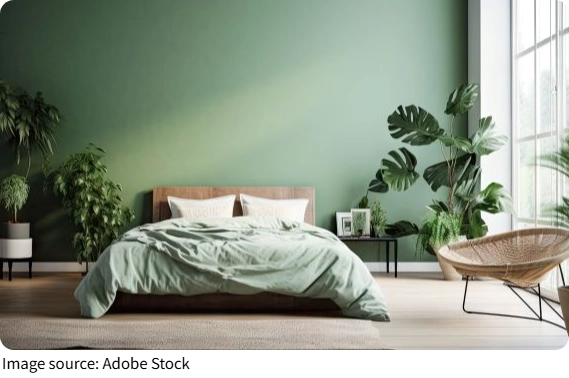
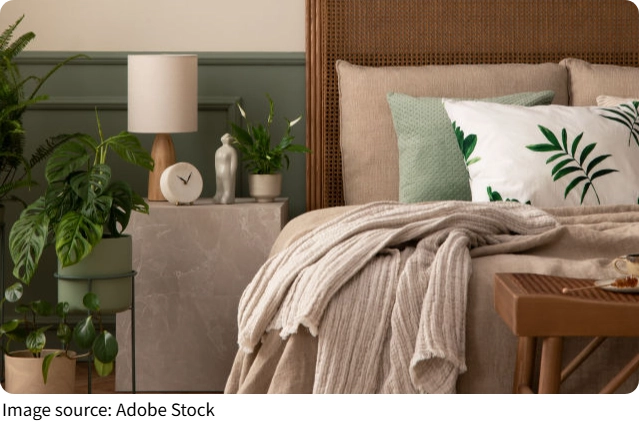
For bedrooms, it is better to choose plants with mild or no fragrance. This helps create a calm and relaxing environment for better rest.
Do Plants Really Clean the Air All Day?
Many of us believe that plants always clean the air. During the day, plants absorb carbon dioxide and release oxygen through photosynthesis. However, at night, this process slows significantly, and plants primarily carry out respiration, consuming oxygen and releasing carbon dioxide in small amounts.
This doesn’t mean plants are harmful, but it reminds us not to place too many plants in sleeping areas. Balance is the key to comfort.
Understanding Light Needs
All plants need light, but the amount varies. Tropical plants usually need bright and direct sunlight, while shade-loving plants prefer soft, indirect light.
Even plants that tolerate low light still benefit from occasional sunlight. We can move them closer to windows from time to time to support healthy growth.
Getting the Temperature Just Right
Temperature plays a key role in plant health. Most indoor plants grow well between 15°C and 34°C, with an ideal range of 22°C to 28°C.
In summer, we should avoid excessive indoor heat. In cooler seasons, we should protect plants from cold air. A stable temperature helps plants stay healthy and strong.
Watering the Smart Way
Watering is one of the most important parts of plant care. Too much water can damage roots, while too little can cause plants to dry out.
A simple method we can follow is: water only when the soil surface feels dry, and water thoroughly until excess water drains from the bottom.
For plants that prefer dry conditions, such as succulents, watering less frequently is better. Too much water can quickly harm them.
Fertilizing Without Overdoing It
Plants need nutrients to grow well, but too much fertilizer can cause damage. A balanced approach works best.
We can use diluted fertilizer once in early spring, and then every couple of weeks during the growing season. If leaves turn yellow, it may be a sign of too much or too little fertilizer, so adjustments are needed.
Preventing Pests and Diseases
Indoor plants can sometimes face issues like small insects or leaf spots. These problems are often caused by poor air circulation or improper care.
To prevent this, we should keep indoor spaces well ventilated, manage watering properly, and check plants regularly. Early attention helps avoid bigger problems later.
Let’s Grow Better Together
Lykkers, taking care of indoor plants is a rewarding journey. With the right light, water, and care, we can turn our homes into fresh and lively spaces.
What plants are we currently growing? Have we faced any challenges along the way? Let’s share our experiences and continue learning together!
Popular
Seasonal Blooms
A simple guide to choosing the right flowers throughout the year
Caring for Viburnum Blooms
Simple steps to keep viburnum healthy, vibrant, and full throughout the seasons
Wild Flowers at Home
A Simple Guide to Starting Home Floral Arranging with Everyday Blooms
Perfect Vase Tips Revealed
How to mix different blooms for a stunning, Instagram-worthy arrangement!