Tulip Life Cycle Secrets
Tulip Life Cycle SecretsPosted by Caroll Alvarado on 27-04-2026
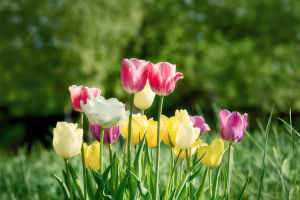
Green Plant
Today we step into the hidden world of tulips and follow their quiet journey through the seasons. From beneath the soil to full blooming in spring, these flowers go through a carefully timed process that is easy to miss but truly fascinating when we look closely.
Together, we will explore how tulips prepare underground, rest through the cold, and slowly rise into colorful bloom. This simple breakdown will help us understand how nature works in a steady and amazing rhythm.
Stage 1: Underground Rest and Root Formation (Autumn)
When temperatures drop below around 15°C in autumn, tulip bulbs begin their first important stage underground. At this time, nothing seems to happen above the soil, but below the surface, life is already active.
We see the bulbs absorbing moisture from the soil. Small roots begin to grow quickly from the base, anchoring the plant and preparing it for future growth. At the same time, a tiny shoot starts forming inside the bulb.
Even though the ground still looks quiet, nearly one-third of the tulip’s total development for the year is already completed underground. This stage is essential because it builds the foundation for survival through winter.
Stage 2: Cold Rest and Natural Conditioning (Winter)
As temperatures continue to drop below 5°C, tulips enter a resting phase. The above-ground part stops growing completely, and the plant slows down its activity.
During this stage, we can think of it as a necessary “cooling period.” The bulb must experience steady low temperatures, usually between 5°C and 9°C, for more than 12 weeks. This long cold period is not harmful. Instead, it helps the bulb prepare for flowering.
Inside the bulb, important changes take place. The flower buds form and become ready for spring. Without this stage, tulips would not bloom properly later. It is a natural timing system that ensures balance with the seasons.
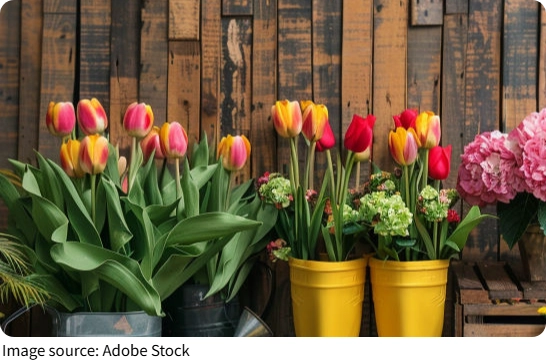
Stage 3: Rapid Growth and Blooming (Spring)
When early spring arrives and temperatures rise above 5°C, tulips suddenly wake up. This is the most visible and exciting stage.
We see leaves pushing through the soil quickly, growing upward with energy. The leaves are long, smooth, and upright, surrounding the central flower bud like protection.
As sunlight increases, the buds slowly open. Between March and May, tulips begin to bloom fully. Each flower usually lasts between 5 to 14 days, depending on weather conditions. Cooler temperatures help the flowers stay fresh longer, while warmer days speed up the process.
This stage is the peak of tulip beauty, when fields and gardens become colorful and lively.
Stage 4: Energy Return and Bulb Development (Early Summer)
After the flowers fall, the tulip does not immediately stop its activity. Instead, a very important hidden process begins.
We notice that the leaves remain green for some time. During this period, they continue to collect sunlight and produce energy. This energy is slowly sent back underground into new small bulbs forming beside the main one.
These new bulbs grow stronger and store nutrients for the next cycle. It is important that we do not remove the leaves too early. If we allow them to naturally turn yellow and dry, the plant can fully recharge its energy for the future.
This stage ensures that tulips can bloom again in the following year.
Stage 5: Summer Dormancy and Protection Period
When the leaves have completely dried, tulips enter their summer rest phase. The visible part of the plant disappears, and only the underground bulb remains dormant in a quiet state.
We can think of this stage as a survival mode. The bulb stays inactive to protect itself from high temperatures. It waits patiently through the warm season until conditions become suitable again in autumn.
Even though nothing is visible above ground, life is still preserved underground, ready for the next cycle to begin.
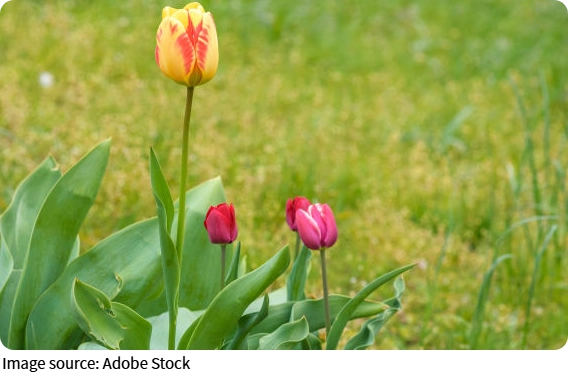
What We Learn from Tulips
Now we can clearly see that tulips are not just spring flowers. They follow a carefully timed rhythm of rest, growth, bloom, and recovery. Each stage plays a key role in ensuring their survival and beauty year after year.
Lykkers, next time we see a blooming tulip, we can remember the long hidden journey it has already taken underground and through the seasons. Nature often works quietly, but every detail has meaning and purpose.
Popular
Seasonal Blooms
A simple guide to choosing the right flowers throughout the year
Caring for Viburnum Blooms
Simple steps to keep viburnum healthy, vibrant, and full throughout the seasons
Wild Flowers at Home
A Simple Guide to Starting Home Floral Arranging with Everyday Blooms
Perfect Vase Tips Revealed
How to mix different blooms for a stunning, Instagram-worthy arrangement!