Brave Outdoor Kids
Brave Outdoor KidsPosted by Amit Sharma on 27-04-2026
Funny Facts
When we spend time outdoors with young children, we open a door to learning that goes far beyond daily routines. In natural spaces, children can gradually build courage, independence, and confidence through real experiences, simple challenges, and hands-on discovery.
Outdoor experiences do not need to be complicated. Even small adventures can create meaningful growth when we guide children with patience and encouragement. This simplicity allows the focus to shift from the destination to the journey itself, ensuring that every fallen log or hidden trail becomes a profound lesson in problem-solving and self-reliance.
Why Outdoor Exploration Builds Strong Inner Confidence
When we take children into natural environments, they experience something different from daily indoor routines. The open space, changing weather, and natural sounds all help them become more aware of the world.
We notice that children naturally become more curious outdoors. They start observing small details like moving leaves, flowing water, or insects on the ground. This curiosity is the first step toward independent thinking.
Over time, these experiences help them understand that learning is not limited to structured lessons. The world itself becomes a learning space.
Short Walking Trips for First Independent Steps
Short walking adventures are a great way to begin. We can choose safe and simple routes where children can walk comfortably without pressure.
During these walks, we let them decide small things, such as choosing a direction at a fork or deciding when to take a short rest. These small choices help them feel involved and responsible.
We also encourage them to observe their surroundings. Asking gentle questions like “What do you notice here?” helps them think actively. These moments build confidence in their own judgment. By validating their unique observations, we teach them that their perspective has value, turning a simple walk into a powerful exercise in self-trust and critical thinking.
Camping Experiences That Teach Responsibility
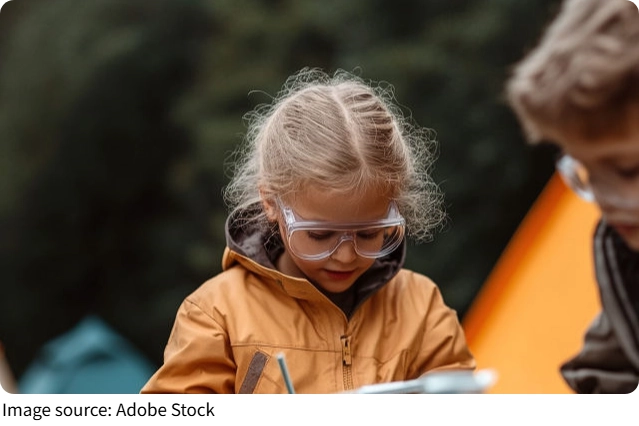
Camping offers a deeper level of outdoor learning. When we set up a simple outdoor camp with children, they can participate in many small but meaningful tasks. These shared responsibilities, from organizing gear to preparing a site, transform the child from a passive observer into an active contributor to the family's collective well-being.
They may help arrange sleeping space, organize personal items, or assist in simple daily routines. These actions help them understand structure and responsibility in a natural way.
More importantly, camping teaches adaptability. If something changes, such as weather conditions or plans, children learn to adjust calmly. They begin to understand that flexibility is part of learning and growing.
Nature Exploration That Sparks Curiosity
Natural environments like forests, lakesides, or open fields provide endless learning opportunities. When we explore these places with children, we help them develop a sense of discovery.
We can guide them to observe textures, shapes, and movements in nature. For example, how water flows, how clouds change, or how plants grow in different directions.
These simple observations help children build attention skills and curiosity. Instead of just looking, they begin to question and explore deeper. This is a key step in developing independent thinking.
Small Tasks That Encourage Decision-Making
One effective method is giving children small tasks during outdoor activities. These tasks should be simple but meaningful.
We might ask them to locate a specific type of plant, follow a simple trail, or identify natural patterns along the way. These small challenges encourage them to think and act independently.
Even if they are unsure at first, we allow them time to try. When they succeed, they feel proud. When they struggle, they learn how to adjust and try again. Both outcomes are valuable for growth.
Building a Safe and Supportive Exploration Environment
Safety is always the foundation of outdoor experiences. We choose safe locations and prepare essential items like comfortable clothing, water, and simple supplies before starting any activity.
At the same time, emotional safety is just as important. When children feel supported and trusted, they are more willing to explore. We stay close enough to guide them, but not so close that we take over every decision.
This balance helps children feel both secure and independent. They know they are supported, yet still responsible for their own actions.
Growing Confidence Step by Step
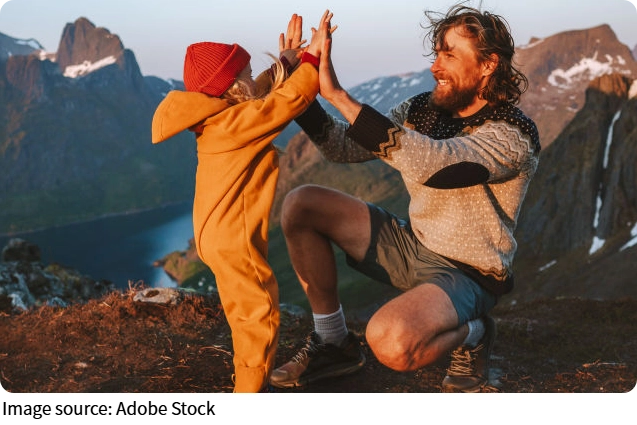
Outdoor exploration is not about big or complicated adventures. It is about small, meaningful experiences that help children grow stronger in mindset and skills.
When we walk with them, let them try, and guide them gently, we help shape their courage and independence naturally. Each small step outdoors becomes a building block for confidence.
Lykkers, every simple outdoor moment can become a powerful learning experience. Let’s continue supporting young explorers as they discover, grow, and build confidence in their own way, one step at a time.
The benefits of spending time outdoors with your kids
Video by Eugene Pediatric Associates
Popular
Sunflower Days
Plant a tiny seed, harvest a field of light—why sunflowers feel like pure optimism
Small Objects, Big Impact
How tiny decor can transform a room when placed thoughtfully — designers share their secrets
Sofa Material Guide
Pick the Right Fabric or Leather for Comfort, Style, and Durability
Sofa Buying Guide
Pick the Perfect Sofa Without Costly Mistakes