Master the Open Road
Master the Open RoadPosted by Amit Sharma on 27-04-2026
On Trend
There is no feeling quite like the rush of wind against your skin as you navigate a winding mountain descent or the rhythmic hum of tires on a fresh stretch of pavement.
Outdoor cycling is more than just a workout; it is a high-speed blend of freedom and technical precision. However, moving from a casual rider to a seasoned road warrior requires more than just leg strength.
It demands a steady hand, sharp spatial awareness, and an understanding of the mechanical harmony between person and machine. For those seeking a "badge of prestige" on the local leaderboard, mastering the nuances of the road acts as a vital anchor for safety and performance. Whether you are aiming for a century ride or a sprint to the city limits, these expert techniques will elevate your journey.
The Art of Efficient Power
Most beginners make the mistake of "mashing" the pedals, using raw force to push a heavy gear. True efficiency comes from "spinning"—maintaining a high cadence that shifts the load from your muscles to your cardiovascular system.
Keys to Perfect Pedaling:
1. Maintain High Cadence: Aim for 80 to 95 RPM (revolutions per minute). This prevents premature muscle exhaustion and protects your knees.
2. The Full Circle: Don't just push down. Imagine scraping mud off the bottom of your shoe at the base of the revolution and pulling up slightly to create a smooth, continuous loop of power.
3. Core Stability: Keep your upper body still. Excessive rocking wastes energy; your core should be the "frozen" anchor that allows your legs to do the work.
4. Gear Anticipation: Shift into a lighter gear before you start a climb, not halfway up when the chain is under maximum tension.
Mastering the Descent
Speed is exhilarating, but gravity requires respect. Descending a hill at 30 to 40 mph is where technical skill becomes a matter of safety. A steady hand on the bars and proper weight distribution are non-negotiable.
Cornering Like a Pro
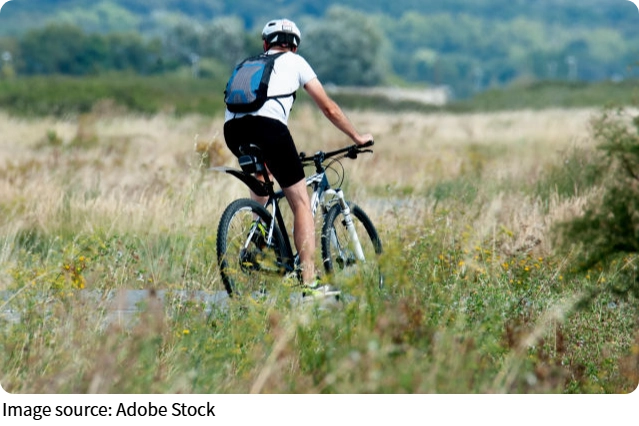
When approaching a sharp turn, always look through the exit of the corner, not at your front wheel. Your bike will naturally follow your gaze. Ensure your "outside" pedal is at the 6 o'clock position (all the way down) and put your weight on it. This lowers your center of gravity and increases tire grip on the asphalt, preventing slides.
Braking Technique
Avoid "panic grabbing." Use a blend of both brakes, applying roughly 70% pressure to the front and 30% to the rear. In wet conditions, tap the brakes lightly every few minutes to clear water from the rims, ensuring they are ready when you actually need to stop.
Group Ride Etiquette
Cycling is often a social endeavor, but riding in a "peloton" or a small group requires its own set of rules. Drafting—riding close behind another cyclist—can save you up to 30% of your energy, but it requires absolute trust and communication.
Essential Group Signals:
1. Point Out Hazards: Use your index finger to point at potholes, glass, or gravel on the road so those behind you can avoid them.
2. Hand on Hip: This signal indicates a "narrowing" of the road or a parked car ahead, telling the group to move into a single file.
3. Verbal Cues: Call out "Car back" when a vehicle is approaching from behind or "Slowing" when you are feathering the brakes.
4. Steady Pulls: When you are at the front, maintain a consistent speed. Do not surge forward, as this creates gaps in the line and disrupts the group's rhythm.
Preparation and Maintenance
A breakdown ten miles from home is a quick way to ruin a beautiful day. Your bike needs to be a reliable anchor for your confidence.
- The M-Check: Before every ride, check your bike in the shape of an "M"—starting at the front hub, moving to the handlebars, down to the pedals, up to the saddle, and back down to the rear hub.
- Tire Pressure: Check your PSI before every departure. For road bikes, this is usually between 80 and 100 PSI, while gravel bikes might run at 35 to 50 PSI.
- Hydration and Fuel: On rides longer than 60 minutes, aim to consume roughly $2 to $5 worth of energy gels or bars and at least 500ml of water per hour.
Ride Into Freedom
Every turn of the pedals is a chance to sharpen your skills, test your limits, and embrace the freedom that only the open road can offer. Outdoor cycling isn’t just exercise—it’s a dialogue between you, your bike, and the terrain beneath you. With every climb conquered, every corner mastered, and every group ride navigated, you grow more confident, more precise, and more connected to the road.
So strap on your helmet, check your tires, and let the wind guide you. Adventure, challenge, and exhilaration await at every bend, reminding you that the journey itself is the ultimate reward.
Popular
Sunflower Days
Plant a tiny seed, harvest a field of light—why sunflowers feel like pure optimism
Small Objects, Big Impact
How tiny decor can transform a room when placed thoughtfully — designers share their secrets
Sofa Material Guide
Pick the Right Fabric or Leather for Comfort, Style, and Durability
Sofa Buying Guide
Pick the Perfect Sofa Without Costly Mistakes