Croatian Water
Croatian WaterPosted by Naveen Kumar on 24-04-2026
On Trend
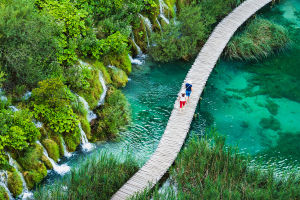
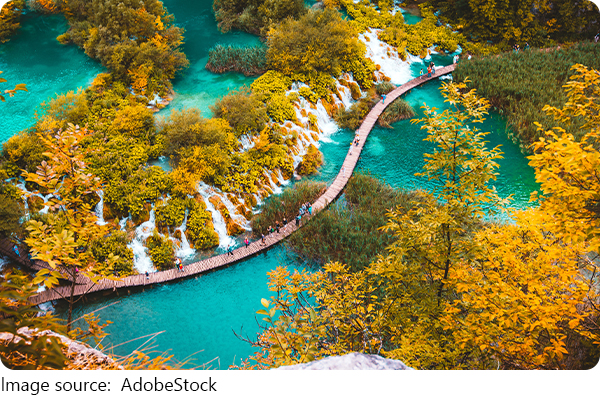
Sixteen lakes connected by waterfalls, each one a different shade of turquoise or emerald depending on the mineral content of the water and the angle of the light at that hour. Wooden boardwalks run directly over the water surface, close enough to the falls that the spray reaches your face.
The sound is continuous — water moving from one lake to the next through travertine barriers that grow imperceptibly each year as the calcium carbonate in the water precipitates and solidifies into new rock.
Plitvice Lakes National Park in central Croatia is genuinely extraordinary, and the photographs that bring most visitors there consistently underestimate what the actual place delivers.
The park covers approximately 295 square kilometers of forested limestone karst terrain in the Lika region of Croatia, approximately 130 kilometers south of Zagreb and 240 kilometers northeast of Split. The sixteen lakes are divided into the Upper Lakes, a broader and more open section, and the Lower Lakes, a more dramatic and concentrated series of falls and pools. Both sections are connected by marked trails, wooden boardwalks, and a boat crossing on the largest lake, Kozjak.

Getting There
Plitvice Lakes sits almost exactly halfway between Zagreb and Split on the A1 motorway, making it accessible from either city in approximately one and a half to two hours by car. Car rental from Zagreb Airport starts from approximately $35 to $55 per day and is the most flexible option for visiting the park. From Split, the drive north on the A1 takes approximately two hours with car rental from approximately $35 to $60 per day.
Bus services connect Zagreb to the park entrance several times daily, with journey times of approximately two to two and a half hours and tickets costing approximately $10 to $15 per person each way. From Split, buses to the park run with less frequency and take approximately three hours.
The park has two main entrances, Entrance 1 serving the Lower Lakes and Entrance 2 serving the Upper Lakes. Both are accessible from the main road, with car parking available at each entrance for approximately $3 to $5 per day.
Plitvice Lakes National Park
Opening Hours and Entry Costs
The park is open year-round, with opening hours varying by season. During peak summer months, the park opens at 7 a.m. and closes at 8 p.m. In spring and autumn, hours run from 8 a.m. to 6 p.m. Winter hours are reduced to 9 a.m. to 4 p.m.
Entry pricing varies significantly by season.
1. Peak season entry, covering the main summer months from June through September, costs approximately $40 to $45 per person for a one-day ticket. This is the most expensive window but also the period of highest water flow and fullest vegetation.
2. Shoulder season entry in spring and autumn costs approximately $20 to $30 per person for a one-day ticket. April through May and October are widely considered the best months to visit, combining strong waterfalls from snowmelt or autumn rain with substantially lower crowds and significantly lower entry prices.
3. Winter entry costs approximately $10 to $15 per person and provides a completely different experience, with frozen waterfalls and ice formations on the travertine barriers that summer visitors never see.
4. Two-day tickets are available at a premium of approximately 30 percent over the one-day price and allow re-entry to complete both the Upper and Lower Lakes sections without rushing.
Navigating the Park
The park's trail system is organized into lettered routes covering different sections and difficulty levels. The key practical decisions are which entrance to use and which route to follow.
Entering at Entrance 2 and walking through the Upper Lakes first, then taking the boat across Lake Kozjak to the Lower Lakes, and exiting at Entrance 1 is the most commonly recommended full-day circuit. The complete route covers approximately 18 kilometers and takes five to seven hours at a comfortable pace with stops for photography and observation.
The Lower Lakes are the most visually dramatic section of the park, where the falls are highest and the boardwalks run closest to the water. Arriving at the Lower Lakes in the morning, when the light comes from the east and illuminates the falling water directly, produces significantly better photography conditions than the afternoon visit that an Entrance 2 start delivers.
Where to Stay
Accommodation nearest the park concentrates in the villages of Mukinje, Jezerce, and Rastovača immediately adjacent to the park boundary.
Hotel Jezero sits within walking distance of Entrance 2 with rooms from approximately $120 to $180 per night during peak season, dropping to approximately $60 to $90 during shoulder months. Staying within this immediate area allows entry before the day-trip crowds arrive, which is the single most effective strategy for a rewarding Plitvice experience.
Private guesthouse accommodation in the surrounding villages starts from approximately $50 to $80 per night and represents strong value given the proximity to the park entrances. In Grabovac and Rakovica, larger guesthouses and small hotels offer rooms from approximately $40 to $70 per night with a short drive to the park
Plitvice Lakes rewards early arrivals above almost any other strategy. The park at 7 a.m. in peak season, before the tour buses discharge their passengers at the entrance, is a different experience from the same boardwalks at 11 a.m. The water is the same color. The falls make the same sound. But walking the Lower Lakes with the morning light on the water and space to stop and look without managing around other visitors is how the park reveals what brings so many people to this specific corner of Croatia year after year.
Popular
Portofino Escape
Colorful Harbor, Hidden Trails, and Seaside Calm—Why This Village Feels Unreal
Big Ben Uncovered
The Secrets Behind London’s Most Famous Clock Revealed
Boston Skyline
Where History Meets Glass Towers in One Stunning View
Yellowstone Hot Springs
Yellowstone's electric-blue thermal pools sit above a supervolcano — and they're more surreal up close.