Wind Sail Speed
Wind Sail SpeedPosted by Ethan Sullivan on 24-04-2026
Funny Facts
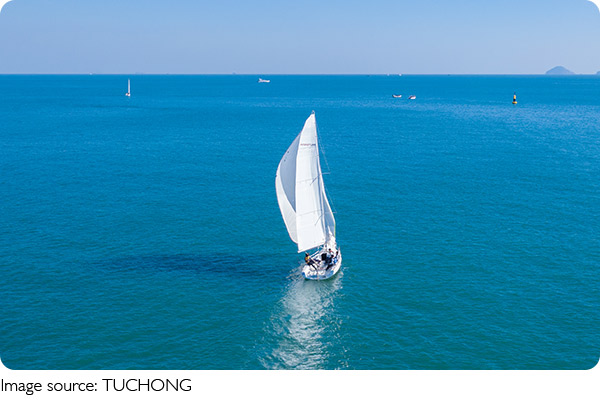
Have we ever stood by the sea and watched a sailboat glide smoothly across the water? That quiet yet powerful movement often feels almost magical.
With no engine, just wind and careful control, a sailboat can move steadily and even reach impressive speeds. Dear Lykkers, this raises a simple but fascinating question: how does it actually work?
Today, we explore the science behind sailing in a clear and easy way. Once we understand the basics, every sailboat we see will feel even more impressive.
Is Sailing with the Wind the Easiest Way?
At first, it seems natural to think that sailing in the same direction as the wind is the easiest option. The wind pushes from behind, so the boat should move forward smoothly, right?
In reality, it is not always that simple. When the wind blows directly from behind, it flows almost parallel to the sail. This reduces sideways pressure, which is important for balance. Without that balance, the boat can become harder to control.
Also, when the wind is gentle, sailing this way can be slow. The sail does not fully take advantage of aerodynamic forces, so the boat cannot gain much extra speed.
Can a Sailboat Really Go Faster Than the Wind?
Surprisingly, yes—it can. A sailboat is not just pushed by the wind; it uses the wind in a smarter way.
The sail works like a wing. As wind flows around it, it creates a pressure difference. This generates a pulling force that moves the boat forward. Instead of simply drifting, the boat is actively “pulled” by the air.
Because of this, under the right conditions, the boat can move faster than the wind itself. This idea may sound strange at first, but it becomes clear when we think about how wings help aircraft move efficiently through the air.
Why Side Wind Sailing Works So Well
One of the most effective ways to sail is when the wind comes from the side. This situation allows the sail to create two forces at the same time:
- One force pushes the boat sideways
- The other moves it forward
The sideways movement is controlled by the underwater parts of the boat, which resist drifting. At the same time, we adjust the sail angle and body position to keep the boat balanced.
With these adjustments, most of the energy from the wind is turned into forward motion. This is why sailing with side wind often feels faster and smoother.
How Do We Sail Against the Wind?
Now comes the most interesting part. How can we move toward a direction where the wind is coming from?
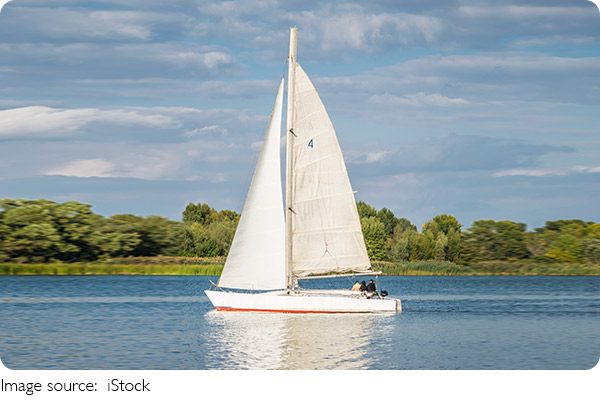
The key idea is that we do not go directly into the wind. Instead, we sail at an angle. The sail is adjusted so that the wind again creates forward and sideways forces.
The sideways force is balanced by the water’s resistance against the boat, leaving a net forward movement. Step by step, the boat continues to move in the desired direction.
The Zigzag Strategy
Since we are not moving straight toward the wind, we need a smart path. This is where the zigzag method comes in.
We sail in one angled direction for a while, then turn and sail at another angle from the opposite side. By repeating this pattern, we gradually move toward our goal.
Although the path looks indirect, it is actually the most efficient way to travel against the wind. With practice, these turns become smooth and controlled.
The Role of Balance and Control
Sailing is all about balance. Wind provides the driving force, while water gives stability and resistance. Both work together to keep the boat moving efficiently.
We also play an important role in maintaining balance. By shifting weight and adjusting the sail, we can control how the boat responds to the wind. Sometimes, leaning outward helps keep the boat steady and prevents excessive tilting.
Every small adjustment matters, making sailing a skill that combines awareness, timing, and precision.
Why Sailing Feels So Special
Sailing is more than just moving across water—it is a perfect blend of nature and science. Invisible wind becomes a powerful force, and with the right technique, we can guide it exactly where we want.
Dear Lykkers, the next time we see a sailboat, we may notice more than just its movement. We can see the hidden forces at work and appreciate how simple elements like wind and water can create something truly impressive.
So, what other everyday things around us might be using hidden principles that we have not yet noticed?
How can sailing boats go up wind?
Video by How Does It Work?
Popular
Portofino Escape
Colorful Harbor, Hidden Trails, and Seaside Calm—Why This Village Feels Unreal
Big Ben Uncovered
The Secrets Behind London’s Most Famous Clock Revealed
Boston Skyline
Where History Meets Glass Towers in One Stunning View
Yellowstone Hot Springs
Yellowstone's electric-blue thermal pools sit above a supervolcano — and they're more surreal up close.