Hypnagogic Hallucinations
Hypnagogic HallucinationsPosted by Ravish Kumar on 15-04-2026

Odd News

Transitions between wakefulness and sleep involve complex neurological shifts where perception, memory consolidation, and sensory processing temporarily overlap.
In this fragile boundary state, vivid perceptual experiences may emerge without external stimuli, often appearing strikingly real.
These phenomena, known as hypnagogic hallucinations, occur during the onset of sleep and reflect transient instability in sensory integration systems. Far from being rare anomalies, they represent a recognized feature of human sleep physiology shaped by neurochemical transitions and altered cortical activity.
The Neurophysiological Threshold of Sleep Onset
Sleep initiation is not a sudden switch but a gradual descent through multiple stages of neural disengagement. During the hypnagogic phase, the brain begins reducing external sensory responsiveness while internal imagery networks become increasingly active. This overlap creates a hybrid cognitive environment where perception and imagination may merge.
Neuroimaging research indicates increased activity in visual association regions during this phase, while prefrontal regulatory networks temporarily reduce executive control.
As a result, internally generated imagery can be experienced with perceptual clarity comparable to waking perception. This neural imbalance is central to the emergence of hypnagogic phenomena.
Sensory Manifestations and Perceptual Complexity
Hypnagogic hallucinations may involve multiple sensory modalities. Visual patterns are among the most frequently reported, ranging from geometric shapes to detailed scenes with dynamic motion. Auditory experiences can include fragmented speech, rhythmic sounds, or environmental echoes without external origin.
Tactile sensations sometimes occur as brief impressions of movement or pressure changes, while spatial distortions may alter perceived room dimensions or object placement.
These experiences are typically brief but can feel highly immersive due to reduced critical evaluation during early sleep transition. The vividness of these perceptions is influenced by the brain’s heightened reliance on internally generated imagery when external sensory input diminishes.
Contributing Factors and Physiological Triggers
Several conditions increase the likelihood of hypnagogic experiences. Sleep fragmentation and insufficient rest are among the most common contributors, as they intensify instability in sleep-wake regulation systems. Irregular sleep schedules may further disrupt circadian signaling, increasing vulnerability during sleep onset.
Elevated cognitive load prior to sleep, including sustained attention or emotional processing, can also amplify residual neural activation. Certain pharmacological agents affecting neurotransmitter systems may influence the frequency or intensity of these experiences by altering inhibitory and excitatory balance within the central nervous system.
In some cases, these hallucinations appear in association with narcolepsy spectrum conditions, where transitions between wakefulness and sleep occur abruptly and without typical regulatory progression.
Distinguishing Between Sleep-Related Imagery and Other Conditions
Hypnagogic hallucinations are distinct from persistent perceptual disturbances that occur during full wakefulness. A key differentiating feature is their temporal restriction to the sleep onset period. Awareness of their transient nature often remains intact, even when content appears vivid or emotionally charged.
Unlike chronic perceptual disorders, hypnagogic phenomena do not reflect continuous alterations in reality perception. Instead, they arise from temporary dissociation between sensory input processing and internal imagery generation during sleep transition phases. Accurate differentiation is essential for appropriate interpretation and prevents unnecessary concern regarding normal sleep physiology variations.
Cognitive and Emotional Dimensions
The content of hypnagogic experiences is frequently shaped by recent cognitive activity, emotional tone, and memory fragments. The brain’s associative networks may recombine recent experiences into novel perceptual constructs, producing scenes that feel both familiar and unfamiliar.
Emotional intensity can heighten salience, making certain images or sensations more memorable upon awakening. This suggests involvement of limbic system activity during sleep onset, where emotional encoding continues despite reduced external awareness. Such phenomena highlight the brain’s continuous interpretative function, even during transitional states of reduced environmental engagement.
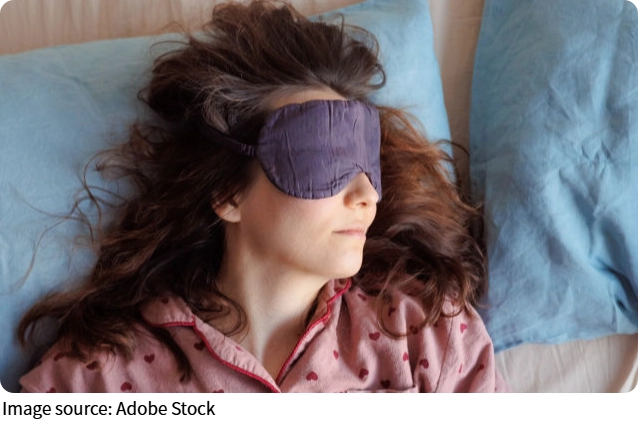
Sleep is widely recognized by sleep researcher Matthew Walker as one of the most powerful biological processes for restoring both mental and physical health. He explains that sleep plays a central role in resetting brain function, supporting emotional balance, and maintaining overall body regulation.
According to his research, insufficient sleep disrupts these restorative processes, while adequate sleep enhances cognitive performance, immune strength, and physiological recovery. In essence, sleep acts as a daily reset mechanism that optimizes both neural efficiency and body health.
Functional Interpretation in Neuroscience
Modern neuroscience views hypnagogic hallucinations as a byproduct of normal sleep architecture rather than a malfunction. They reflect the brain’s ongoing attempt to reconcile internal imagery generation with diminishing external sensory input.
The phenomenon illustrates how perceptual systems remain active even during reduced consciousness states. This transitional activity provides insight into how sensory integration, memory consolidation, and neural inhibition interact during sleep initiation.
Hypnagogic hallucinations occur at the boundary between wakefulness and sleep, arising from temporary neural imbalance during sleep onset. Supported by neuroscience research and expert insight, hypnagogic phenomena offer a window into the complex mechanisms governing perception, consciousness transition, and brain activity during early sleep stages.
Popular
The Role of Immune Cells!
How does your body fight back? These cells protect you every second!
Hypnagogic Hallucinations
What happens when you’re half awake? Strange visions appear in that in-between state!
Fix Your Timeline
Your Money Isn’t Growing? Your Timeline Might Be the Hidden Problem!
Freedom Beyond Stability
The Hidden Line Between Stability and Freedom—Most People Never Cross It!