Rainbow Mountain Guide
Rainbow Mountain GuidePosted by Caroll Alvarado on 14-04-2026
On Trend
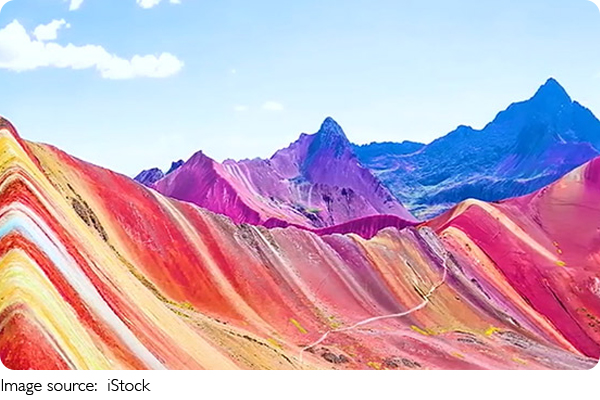
There are landscapes that look edited — colors too saturated, contrasts too precise, the whole composition too deliberate to have been produced by geology alone.
The rainbow mountains of southern Peru produce exactly that reaction in almost everyone who reaches them.
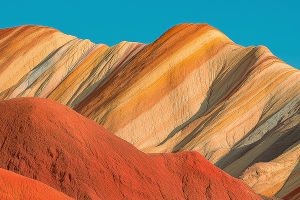
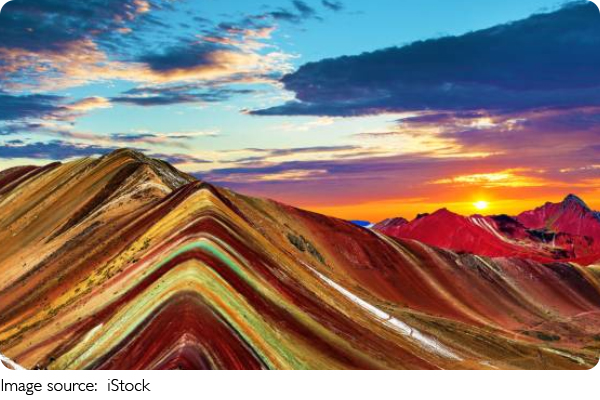
Bands of deep red, burnt orange, golden yellow, pale green, and chalky white run in near-perfect horizontal layers across a series of high-altitude peaks, the colors so distinct and so vivid against a deep blue sky that the entire scene reads as something designed rather than eroded. It was not designed. It took approximately three million years of geological process to produce — and the result is one of the most visually extraordinary natural landscapes in the Americas.
Vinicunca, commonly known as Rainbow Mountain or Montaña de Siete Colores, sits in the Cusco region of southern Peru at an elevation of approximately 5,200 meters above sea level. It has become one of the most visited natural sites in Peru in recent years as aerial and drone photography brought the landscape to international attention. Have you been to Peru beyond Machu Picchu, or has Vinicunca been sitting on your list since you first saw those colors? Either way, here is everything you need to plan the visit properly.
Vinicunca
What Creates the Colors?
The banded coloration of Vinicunca and the surrounding peaks is the result of geological layering — different mineral compositions deposited at different periods across millions of years, each producing a distinct color in the exposed rock and soil.
The red and orange tones come from iron oxide in the sediment — essentially rust at geological scale. The yellow bands reflect iron sulfide compounds. The green and turquoise tones are produced by chlorite and other magnesium-iron silicate minerals. The pale white layers contain gypsum and calcium carbonate. Each layer represents a distinct geological period and a different set of environmental conditions under which that sediment was deposited.
The colors were hidden for most of recent history beneath a permanent glacial covering. As the glaciers retreated in response to warming temperatures over recent decades, the colored layers were exposed progressively — meaning that the landscape visible today was not accessible or visible in its current form until relatively recently. The retreat of the ice revealed the mountain's colors, which is why it appeared seemingly suddenly in travel photography despite having existed in this geological state for millions of years.
Getting There
Vinicunca is located approximately 100 kilometers southeast of Cusco, the nearest major city and the hub through which almost all visitors to the site pass. Cusco's Alejandro Velasco Astete International Airport receives daily flights from Lima, with journey times of approximately one hour and tickets starting from approximately $60 to $120 each way depending on the airline and booking timing.
From Cusco, Rainbow Mountain is most commonly accessed via organized day tours that handle transportation and guide services in a single package. Day tours from Cusco depart early — typically between 3 a.m. and 4 a.m. — to allow arrival at the trailhead before midday when afternoon cloud cover frequently obscures the peaks. Tour prices including transportation, guide, and basic meals start from approximately $25 to $40 per person through operators in Cusco's San Blas and Plaza de Armas areas.
Independent access requires driving approximately three hours from Cusco to the trailhead village of Cusipata or Checacupe, then continuing on unpaved roads to the starting point. Private vehicle hire for the round trip costs approximately $80 to $120. Entry to the Vinicunca area involves a community fee of approximately $3 to $5 per person collected at the trail start.
The Hike Itself
The trail from the main trailhead to the Rainbow Mountain summit viewpoint covers approximately 8 kilometers round trip with an elevation gain of roughly 300 to 400 meters above the already high starting point of approximately 4,900 meters. The physical demand of the hike is determined less by the distance or gradient — which would be moderate at sea level — than by the altitude, which reduces available oxygen to a level that makes even gentle uphill walking significantly more demanding than it appears on paper.
Several practical considerations apply specifically to this hike.
1. Acclimatization in Cusco for a minimum of two days before attempting the hike significantly reduces the risk and discomfort of altitude effects. Most tour operators recommend this and structure multi-day Cusco itineraries accordingly.
2. Horse rental is available at the trailhead for approximately $15 to $20 for a one-way or round trip ride for visitors who want to reduce the physical demand of the ascent. The horses are led by local handlers and cover the trail at a walking pace.
3. The best conditions are in the morning hours before afternoon cloud typically builds. Most organized tours time the hike to reach the viewpoint between 9 a.m. and 11 a.m.
4. The dry season from April through October provides the most reliable visibility and trail conditions. The wet season from November through March brings more cloud cover and muddy trail surfaces but also fewer visitors and greener surrounding landscape.
Where to Stay
Cusco serves as the base for the Rainbow Mountain visit, and the city's accommodation ranges from backpacker guesthouses to high-end boutique hotels in converted historic mansions.
Belmond Monasterio is the most celebrated property in Cusco — a converted 16th-century monastery in the city center with rooms from approximately $450 to $700 per night during peak season. Inkaterra La Casona, another converted heritage property on the Plaza Las Nazarenas, offers boutique luxury from approximately $350 per night.
For mid-range travelers, the San Blas neighborhood above the main plaza contains numerous well-reviewed guesthouses and smaller hotels from approximately $60 to $150 per night with genuine historic character and proximity to the tour departure points. Budget accommodation throughout Cusco starts from approximately $15 to $30 per night in well-maintained hostels with private room options available.
Vinicunca is one of those places where the reality and the expectation arrive at the same destination — where the colors are exactly as vivid as the photographs suggested and the scale of the landscape is even more impressive in person than any aerial view can communicate. The altitude makes the approach demanding in a way that adds something to the arrival. Have you seen the rainbow mountains of Peru, or is Cusco still the trip you are planning for the right moment? Either way, the colors will be exactly where geology left them — patient, permanent, and worth every step of the climb.
Popular
Ocean Golden Hour
The Science Behind That Breathtaking Sunset Wave Photo Everyone Stops to Stare At.
Ria Formosa Uncovered
This tidal lagoon in southern Portugal produces sunsets that don't look real — and almost no one visits.
Crystal Ice Cave
Walk inside Breiðamerkurjökull glacier — the world's most stunning blue ice cave experience
Tegallalang Rice Terrace
Bali's most iconic green terraces are even more stunning in person — here's how to visit right