Healthy Eating
Healthy EatingPosted by Declan Kennedy on 08-04-2026

On Trend
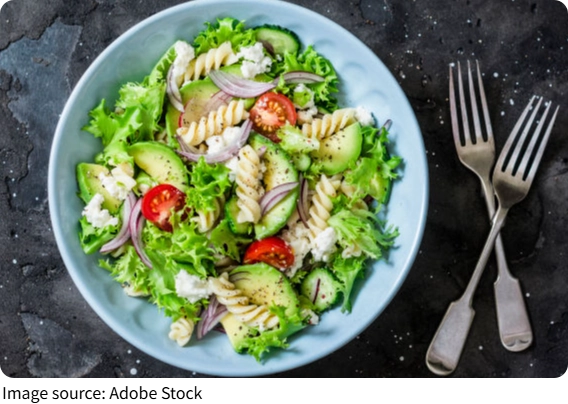
Healthy eating is not about following restrictive diets or obsessing over calories. It's about making informed choices that fuel your body with the nutrients it needs to function at its best.
The key is finding a balance that works for your lifestyle, preferences, and health goals. With so much conflicting information out there, it can be overwhelming to know where to start.
But by focusing on whole, nutrient-dense foods and adopting mindful eating habits, you can easily start building a healthier, more sustainable eating routine. Let's break down some essential steps to get you started on your healthy eating journey.
1. Prioritize Whole Foods Over Processed Ones
One of the best ways to improve your diet is to shift your focus from processed foods to whole, unrefined foods. These foods are packed with nutrients and are often higher in fiber, which can help keep you full longer and support your digestive health.
- Fruits and Vegetables: Aim to fill half of your plate with colorful fruits and vegetables. They are loaded with essential vitamins, minerals, and antioxidants that help protect your body from disease and promote overall well-being.
- Whole Grains: Choose whole grains like brown rice, quinoa, oats, and whole wheat over refined grains. Whole grains are rich in fiber, which supports heart health and helps regulate blood sugar.
- Lean Proteins: Opt for lean protein sources such as chicken, fish, beans, and legumes. These foods provide the building blocks your body needs to repair muscles and maintain energy throughout the day.
2. Watch Your Portion Sizes
Even when eating healthy foods, portion control is important. Eating more than your body needs, regardless of the food type, can lead to overeating and weight gain. Being mindful of portion sizes can help you maintain a balanced diet without overindulging.
- Use Smaller Plates: Studies show that using smaller plates can help you reduce portion sizes and prevent overeating.
- Listen to Your Body: Pay attention to hunger and fullness cues. Stop eating when you're satisfied, not when you're overly full.
- Measure and Pre-portion: If you're unsure of how much to eat, try measuring your food or using a food scale until you get a sense of the right portions for your body.
3. Hydrate, Hydrate, Hydrate
Water is essential for your body's overall health. Staying hydrated supports your metabolism, helps flush out toxins, and keeps your skin looking healthy. Sometimes, we confuse thirst with hunger, which can lead to unnecessary snacking. By staying hydrated, you'll feel more energized and less likely to overeat.
- Drink Water Throughout the Day: Aim to drink at least 8 glasses of water per day, but remember that your needs might vary depending on your activity level and climate.
- Infuse Water with Flavor: If plain water feels too boring, add slices of lemon, cucumber, or mint to give it a refreshing flavor.
- Limit Sugary Drinks: Try to reduce your intake of sugary sodas, juices, and energy drinks, which can add unnecessary calories and sugar to your diet.

4. Incorporate Healthy Fats
Many people shy away from fats, but not all fats are created equal. Healthy fats are essential for brain function, hormone regulation, and the absorption of certain vitamins. The key is to focus on unsaturated fats found in whole foods.
- Avocados and Nuts: Avocados, almonds, walnuts, and chia seeds are excellent sources of healthy fats that can help keep you full and satisfied.
- Olive Oil: Choose extra pure olive oil for cooking or as a salad dressing. It's rich in monounsaturated fats, which are good for your heart health.
- Limit Saturated Fats: While fats are an important part of a healthy diet, try to limit saturated fats found in butter, fatty meats, and processed snacks.
5. Eat Mindfully and Enjoy Your Food
In our busy lives, eating often becomes a rushed task, leading to poor digestion and mindless overeating. Practicing mindful eating helps you slow down, savor your food, and truly enjoy each bite. It also allows you to recognize when you're full, preventing overeating.
- Focus on Your Meal: Avoid distractions like phones, TV, or computers while eating. Instead, focus on the flavors, textures, and aromas of your meal.
- Chew Slowly: Take your time to chew each bite thoroughly. This allows your body to better digest food and signals your brain that you're full.
- Appreciate the Experience: Eating is not just about nutrition—it's also an opportunity to enjoy and appreciate the food you're consuming. A positive attitude towards food helps you develop a healthier relationship with it.
Conclusion: Small Changes, Big Impact
Healthy eating doesn't require drastic changes or extreme diets. By making small, sustainable changes to your daily habits—like focusing on whole foods, watching portion sizes, staying hydrated, and practicing mindful eating—you can greatly improve your health and well-being. The key is consistency. Remember, healthy eating is a lifelong journey, not a short-term fix. By adopting these simple habits, you'll be on your way to feeling your best, inside and out.
Let the journey begin, and enjoy every bite along the way!
Popular
Tea Set Care Guide
Essential Tips to Keep Your Tea Sets Beautiful and Functional for Years
Cold Brew vs. Iced Coffee
Discover the key differences in taste, brewing, and perfect summer sips
Berry Cheesecake Bliss
This Raspberry Cheesecake Is So Easy—No Water Bath Needed and Every Bite Is Creamy, Smooth, and Full of Fresh Berry Flavor!
Fig Nutrition Uncovered
Discover How Figs Boost Health with Vitamins and Minerals.