Designed for Greener Future
Designed for Greener FuturePosted by Owen Murphy on 31-03-2026

The Environment Day
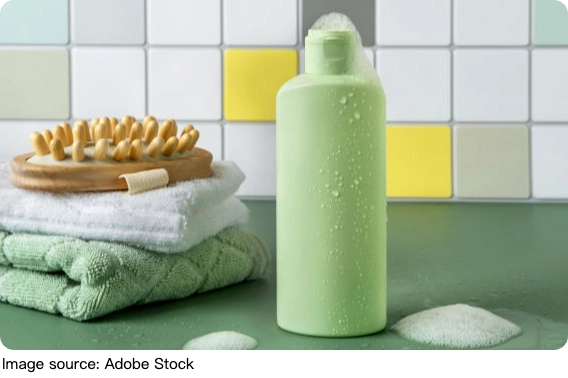
In today's world, every product on the shelf tells a story—not just about function, but about responsibility. From the materials used to the way it's made, design choices shape how products impact our planet. Green product design isn't just a trend anymore; it's a powerful shift toward creating things that last longer, waste less, and live lighter on the Earth.
And as eco-conscious consumers, we're learning to read the signs—literally. Those little eco-labels on packaging aren't random logos; they're certifications that reveal how sustainable a product really is. Understanding them helps you make choices that align with your values and encourage brands to do better.
The Art of Green Product Design
Sustainable design starts long before a product hits the store. It begins with mindful creativity—rethinking materials, manufacturing, and even the afterlife of what we buy.
Designing for Longevity and Efficiency
Think of the products you love most. Chances are, they're durable, timeless, and made to last. That's the heart of green design—creating items that don't just serve a need but also stand the test of time. By focusing on quality and repairability, designers help reduce waste and slow the cycle of overconsumption. For example, some furniture brands now use modular systems where parts can be replaced individually rather than throwing out the whole piece. Similarly, clothing designers are choosing stronger natural fibers or recycled textiles that hold up for years. Each decision aims to reduce the "make, use, discard" pattern that burdens landfills and ecosystems.
Materials That Matter
Sustainable design means selecting materials that do less harm—from renewable resources like bamboo and cork to recycled plastics or reclaimed wood. Designers also consider how easy it is to recycle or biodegrade the product at the end of its life. But it's not just about what materials are used; it's also about how they're sourced. Ethically sourced raw materials ensure that workers are treated fairly and that ecosystems are protected during extraction or harvesting. When you see a product that mentions "FSC-certified wood" or "organic cotton," that's a sign of responsible sourcing in action.
Innovation in Manufacturing
Green design also extends to the production process. Energy-efficient factories, water-saving dye methods, and carbon-neutral shipping are all part of the equation. Some companies even design their factories to reuse waste heat or power operations with renewable energy. For instance, in the electronics industry, brands are shifting toward modular designs that allow parts to be upgraded rather than replaced. That means less e-waste and longer product lifespans. When design and engineering meet sustainability, the result is innovation that benefits everyone—consumers, companies, and the planet alike.
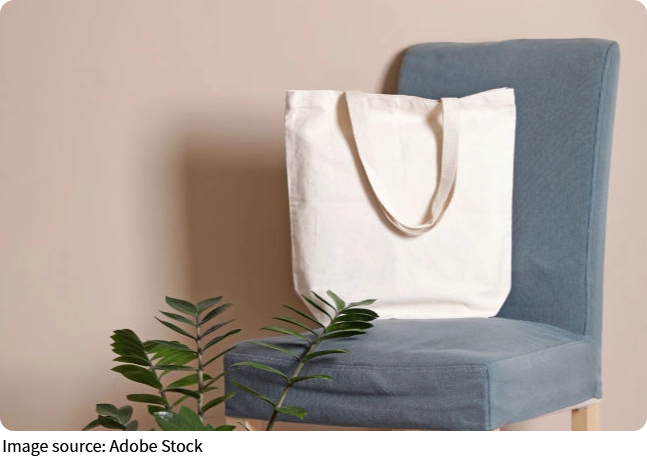
Decoding Eco-Labels and Making Smart Choices
As a shopper, you play a big role in driving change. Knowing how to interpret eco-labels helps you support responsible brands and avoid misleading marketing.
What Eco-Labels Really Mean?
Eco-labels are certifications that verify a product's environmental or ethical standards. Some focus on energy efficiency, others on sustainable materials or fair labor practices. However, not all labels are equal—some are government-backed, while others are issued by independent organizations or private companies.
Here are a few trusted ones to look for:
- Energy Star – Indicates energy-efficient appliances and electronics that save electricity and money.
- FSC (Forest Stewardship Council) – Ensures wood and paper products come from responsibly managed forests.
- Fair Trade Certified – Guarantees fair wages, safe conditions, and sustainable production for farmers and artisans.
- EU Ecolabel or Green Seal – Recognizes products that meet strict environmental criteria across their life cycle.
- Organic Certifications – Apply to textiles, cosmetics, and food made without harmful chemicals or pesticides.
Learning these symbols helps you spot authentic sustainability efforts—and avoid greenwashing, where brands exaggerate their eco-claims for marketing.
How to Shop More Mindfully?
When you're choosing between products, look beyond slogans like "eco-friendly" or "natural." Instead, check for verifiable labels, transparent sourcing information, and companies that publish sustainability reports. The more you know, the more power you have to support true change. Another tip: consider the product's entire lifespan. How long will it last? Can it be repaired, reused, or recycled easily? The greener option isn't always the cheapest upfront, but it usually saves you money—and the planet—over time.
Supporting Brands That Care
More and more companies are embracing circular design—where products are made, used, and then turned into new ones. Supporting these brands sends a clear message: sustainability matters. You can also buy from local artisans or secondhand markets to reduce packaging waste and transport emissions. Your purchasing choices create a ripple effect. Every eco-labeled product you choose encourages more brands to design consciously and more consumers to follow suit.
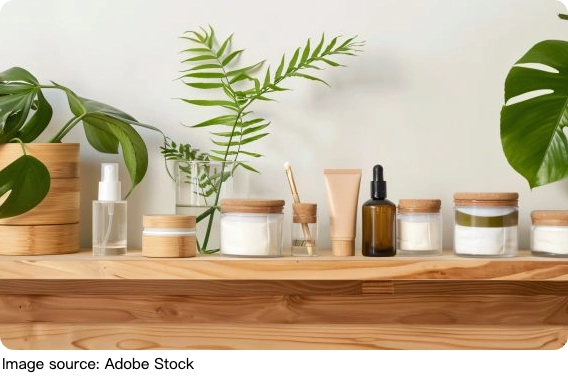
Green product design isn't just about saving the planet—it's about designing smarter, living better, and choosing more thoughtfully. From selecting renewable materials to earning credible eco-labels, every decision along the design and buying process makes an impact. By understanding how sustainable design works and what eco-labels truly mean, you're not just a consumer—you're a collaborator in shaping a greener future. So the next time you pick up a product, look closer. Behind that simple label might be a story of innovation, responsibility, and hope for a world designed to last.
Popular
Lipstick Color Secrets
5 Lipstick Tricks That Make Choosing the Perfect Shade Easy and Fun—Look Amazing Every Time!
Designed for Greener Future
Ever wondered what eco-labels really mean?
Floral Dress Guide
Summer Floral Dresses Are Back! Discover the 3 Dos and 3 Don’ts to Look Stylish, Fresh, and Effortlessly Chic!
Jean Matchmaker
Stop Struggling with Jeans! Discover 9 Perfect Denim Styles That Flatter Your Legs, Boost Your Height, and Upgrade Every Outfit!