Flower Arrangements Tips
Flower Arrangements TipsPosted by Amit Sharma on 28-03-2026
On Trend
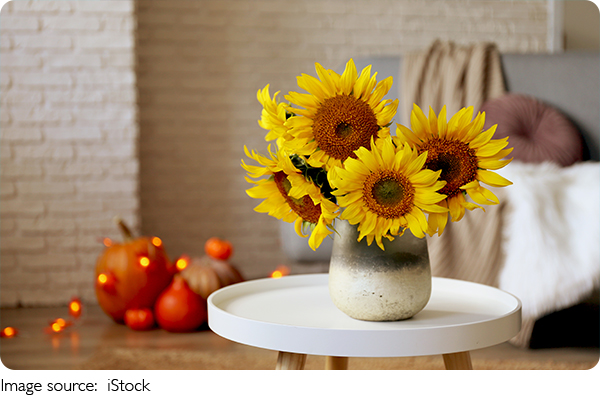
Colors in flowers are more than decoration—they speak to our emotions.
Choosing the right color in an arrangement can convey warmth, calmness, excitement, or reflection.
Much like a painter uses a palette to evoke feeling, florists use flower colors to communicate unspoken messages. Understanding these connections allows arrangements to resonate deeply with those who see them.
Warm Colors: Energy and Happiness
Warm tones—reds, oranges, yellows—naturally draw attention and lift spirits.
Red Flowers
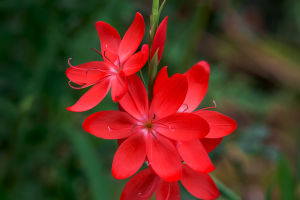
Red roses, tulips, and gerbera daisies symbolize love, passion, or courage. Their intensity immediately engages the viewer.
Orange Flowers
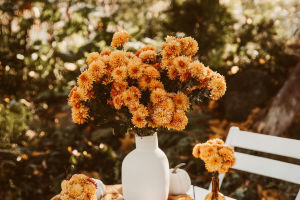
Orange lilies, marigolds, or zinnias communicate creativity, enthusiasm, and energy. They feel playful and inviting.
Yellow Flowers
Yellow sunflowers, daffodils, and tulips evoke cheerfulness and optimism. Their brightness naturally uplifts a room's mood.
Warm colors are perfect for lively gatherings or areas where positive energy is desired.
Cool Colors: Calm and Contemplation
Cool tones—blue, purple, green—bring tranquility and balance.
Blue Flowers
Blue hydrangeas, delphiniums, and irises promote calm and relaxation. They are ideal for meditation or quiet spaces.
Purple Flowers
Lavender, orchids, and violets in purple convey elegance, mystery, and thoughtful reflection. Purple tones add sophistication to an arrangement.
Green Flowers and Foliage
Green Bells of Ireland or lush foliage symbolize renewal and balance. They harmonize other colors while creating a soothing atmosphere.
Cool tones are ideal for bedrooms, offices, or any space meant for rest and focus.
Combining Colors for Emotional Depth
Mixing warm and cool colors creates layered emotional effects. For example, pairing yellow roses with purple lisianthus combines cheerfulness with sophistication. Designers often use contrasts to generate excitement, tension, or harmony depending on the intended mood.
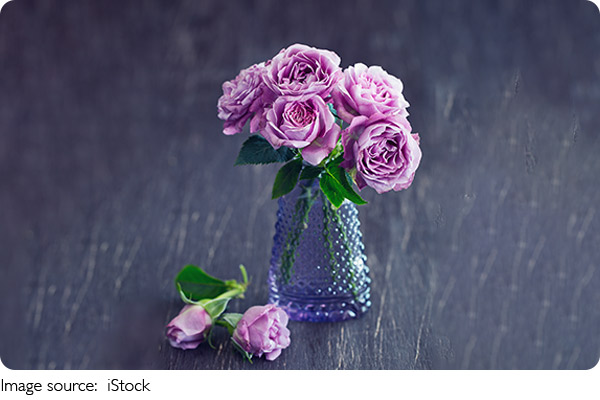
Flowers as Emotional Messengers
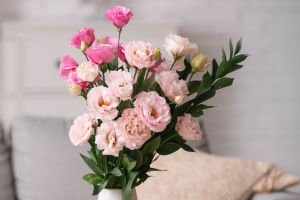
Each flower's color, shape, and texture carries emotion. Soft pink roses with white lilies convey gentle affection, while bright red tulips express bold passion. Understanding the emotional “language” of flowers allows creators to communicate messages subtly yet powerfully.
Reflections on Color and Mood
Next time you arrange flowers or choose a bouquet, notice the story the colors tell. Floral arrangements are more than aesthetic—they are a form of emotional expression. Thoughtful color choices can brighten a room, soothe stress, or express feelings words cannot. In this way, every bouquet becomes a small, vibrant conversation between the giver, the space, and the observer.
Popular
Perfect Dining Table
Learn how to create an inviting and stylish dining experience with these tips.
The Meaning of a Bouquet
Unraveling the Significance and Symbolism Behind Floral Arrangements.
How Plants Manage Water
Plants use smart water rules to survive rain, drought, and everything between
Regrow Your Veg
Turn scraps into fresh produce with these five easy supermarket hacks