Flower Arranging Basics
Flower Arranging BasicsPosted by Declan Kennedy on 25-03-2026
On Trend
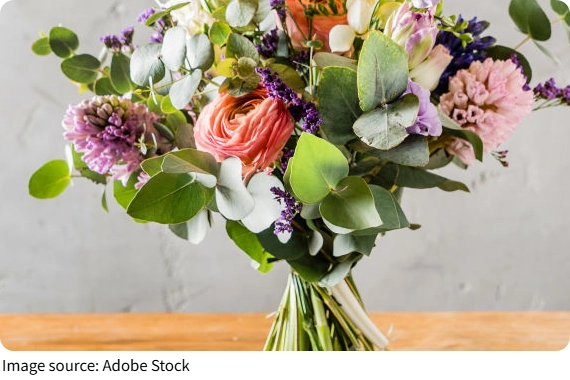
Flower arranging is a delightful blend of creativity and technique.
Whether decorating a dining table, creating a gift bouquet, or designing a centerpiece for a special occasion, mastering the basics allows anyone to create visually stunning arrangements.
For beginners, understanding how to combine colors, shapes, and textures is essential to achieving a professional-looking display.
Choosing Flowers and Foliage
Selecting the right flowers is the foundation of a successful arrangement.
1. Variety and Texture: Combine large focal flowers with smaller filler flowers and greenery for depth.
2. Color Harmony: Use complementary colors or shades within the same palette to create a cohesive look.
3. Seasonal Choices: Fresh, seasonal blooms last longer and often provide better value.
Pay attention to the flowers’ lifespan and maintenance requirements to ensure your arrangement remains vibrant.
Basic Techniques for Arranging
Understanding key techniques allows beginners to create professional-looking displays.
1. Layering: Start with foliage to form a base, then add medium-sized blooms, and finally, focal flowers.
2. Height Variation: Place taller stems in the center or back, and shorter stems around the edges to create balance.
3. Angle and Spacing: Position flowers at slight angles and leave space between stems to allow each bloom to shine.
These simple strategies make a small arrangement look lush and sophisticated.
Creative Arrangements and Centerpieces
Once basics are mastered, you can experiment with different styles.
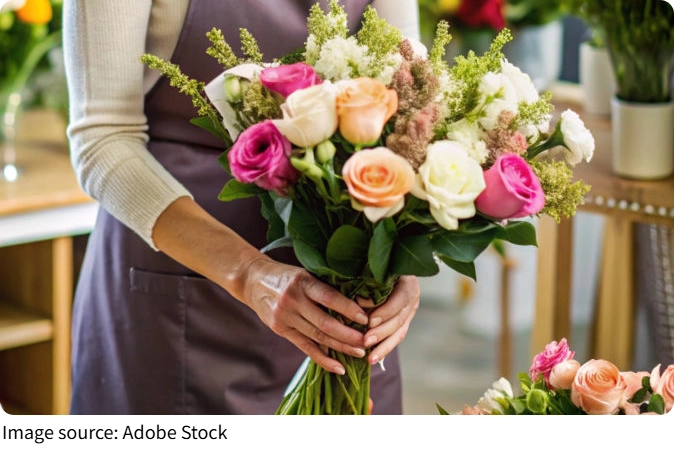
1. Bouquets: Wrap stems tightly with twine or ribbon for a polished, gift-ready look.
2. Table Centerpieces: Use low containers for dining tables to avoid blocking sightlines while mixing heights for visual interest.
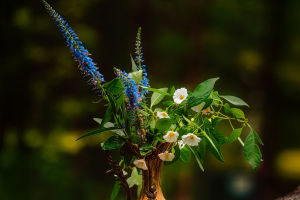
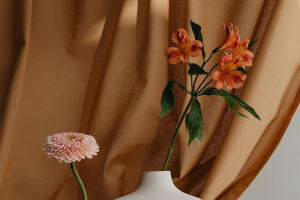
3. Vase Arrangements: Choose vases that complement flower size and style; wider mouths suit casual arrangements, narrow openings suit structured designs.
Incorporating unique containers or unexpected foliage adds personality and creativity.
Care and Maintenance
Proper care extends the life of your arrangements.
1. Water and Trimming: Keep stems in fresh water, trimming ends every few days.
2. Location: Avoid direct sunlight and heat sources that can shorten bloom life.
3. Remove Wilted Flowers: Replace or remove blooms as they fade to maintain overall appearance.
Consistent maintenance keeps arrangements fresh and attractive for longer periods.
Conclusion
Flower arranging is both an art and a science, offering a satisfying way to express creativity and beautify living spaces. By understanding the basics of flower selection, layering techniques, and care, beginners can craft stunning bouquets, centerpieces, and decorative displays. Each arrangement becomes a reflection of personal style and a chance to enjoy the vibrant colors and textures that flowers bring to everyday life. With practice, patience, and a touch of imagination, anyone can master the art of flower arranging.
Popular
Why Roses Smell So Rich
Explore the Science Behind the Enchanting Fragrance of Roses
The Science of Jasmine Scent
Discover the Science Behind Jasmine’s Fragrance and Why It Captivates the Senses
Geraniums That Thrive in Sun
Uncover Why Geraniums Flourish Under Intense Sunlight Without Wilting
Flower Arranging Basics
Step-by-Step Tips for Beautiful Bouquets and Centerpieces