Flower Longevity Guide
Flower Longevity GuidePosted by Arvind Singh on 25-03-2026
On Trend
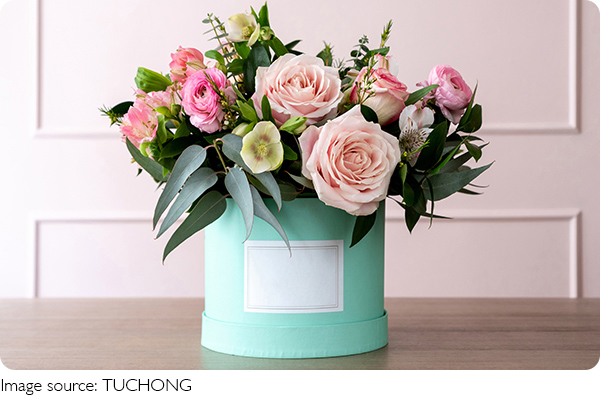
There's something quietly uplifting about fresh flowers in a room: vibrant color, natural fragrance, and a reminder of life's fleeting beauty.
Yet that beauty can quickly fade without proper care. Learning how to maintain cut flowers not only prolongs their life but also deepens your appreciation for floral design and nature's rhythms.
With a few scientifically supported practices — from water quality to stem trimming — you can enjoy lush arrangements far beyond the standard few days most bouquets typically last.
Start with Quality and Preparation
Before flowers ever reach your vase, selection matters:
1. Choose Fresh Blooms: Pick flowers early in the day when they are well hydrated and avoid stems that are fully open or wilting. A fresh stem increases vase life from the start.
2. Clean Vase: Bacteria in a dirty container can accelerate decay. Wash with warm, soapy water, rinse thoroughly, and only then add clean water and flowers.
3. Trim Stems at an Angle: Use a sharp, clean tool to cut stems at a 45 degree angle; this increases the surface area for water absorption. Re trim every couple of days to open fresh pathways for hydration.
These foundational steps set the stage for longer lasting flowers by improving water uptake and reducing bacterial interference.
Water Quality and Hydration
Water is the lifeblood of cut flowers, and its quality has a direct impact on longevity:
Clean, fresh water should fill the vase about two thirds full. Replace it every 2–3 days to prevent cloudiness and bacterial growth. If the water becomes murky or smells, it's time to refresh immediately.
Flower food — usually supplied with bouquets — contains a blend of nutrients, pH regulators, and mild antibacterial agents that nourish stems and inhibit microbes. If you don't have commercial flower food, you can mix a homemade preservative solution using a small amount of lemon juice, sugar, and bleach, which helps balance pH and suppress bacteria.
Room temperature water is ideal for most flowers; it helps stems absorb moisture without shocking them, ensuring steady hydration.
Leaf and Stem Management
Keeping stems healthy involves more than cutting once:
Trimming stems every couple of days removes die off tissue and reopens water channels. Stripping leaves that would sit below the waterline stops decaying foliage from contaminating the water and nurturing bacterial growth.
Additionally, arranging flowers loosely rather than tightly ensures better air circulation around stems and petals, helping them stay vibrant longer.
Placement and Environment
Where you display your arrangement can make a noticeable difference:
Avoid direct sunlight, drafts, and heat sources, as elevated temperatures accelerate dehydration and wilting. Cooler spots with indirect light help maintain moisture levels and reduce stress on stems and blooms.
Keeping flowers away from ripening fruit — which emits ethylene gas that can hasten aging — is another simple yet effective tip.
Reflection: Caring as Connection
Extending the life of fresh flowers requires patience and a small routine of maintenance, but the rewards are tangible: a bouquet that lasts, a space filled with natural beauty, and a deeper connection to the rhythms of nature. Each careful water change, stem trim, and thoughtful placement transforms ordinary floral stems into a living expression of care and intention. In learning these practices, we not only preserve blooms — we cultivate presence, appreciation, and a daily ritual that transforms fleeting beauty into lasting joy.
Popular
Why Roses Smell So Rich
Explore the Science Behind the Enchanting Fragrance of Roses
The Science of Jasmine Scent
Discover the Science Behind Jasmine’s Fragrance and Why It Captivates the Senses
Geraniums That Thrive in Sun
Uncover Why Geraniums Flourish Under Intense Sunlight Without Wilting
Flower Arranging Basics
Step-by-Step Tips for Beautiful Bouquets and Centerpieces