Dress Color Selection Guide
Dress Color Selection GuidePosted by Arvind Singh on 24-03-2026

On Trend
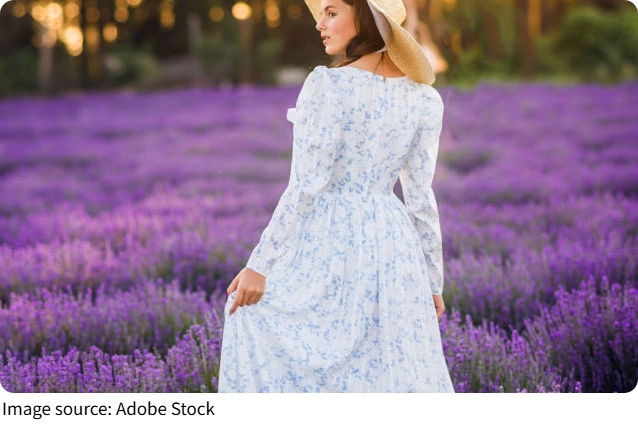
Choosing the right dress color can transform not only how you look, but also how you feel.
A well-chosen shade highlights your natural features, complements your skin tone, and fits the setting effortlessly.
While trends come and go, understanding how color works gives you a consistent advantage in building a wardrobe that feels both intentional and versatile.
Understand Your Skin Tone
The first step in selecting dress colors is identifying your skin tone. This determines which shades will naturally enhance your appearance.
1. Warm undertones: Skin with golden or yellow hints pairs well with earthy shades like olive, mustard, and warm reds
2. Cool undertones: Skin with pink or blue hints works best with jewel tones such as emerald, sapphire, and lavender
3. Neutral undertones: A balance of both allows flexibility with a wide range of colors
A simple way to test this is by observing how your skin looks next to gold versus silver accessories—each can reveal which undertone dominates.
Consider the Occasion
Color choice should align with where and when the dress is worn.
1. Formal events: Deep tones like navy, burgundy, and charcoal create a refined impression
2. Casual outings: Light and playful shades such as pastel pink, sky blue, or soft green feel relaxed and approachable
3. Professional settings: Neutral colors like black, beige, and gray offer a balanced and composed look
Matching color to context ensures your outfit feels appropriate without needing excessive styling.
Use Color to Shape Visual Effect
Different colors can influence how proportions and features are perceived.
1. Dark shades: Create a more streamlined and structured appearance
2. Light shades: Add softness and draw attention
3. Bright colors: Act as focal points and express confidence
Strategic use of these effects helps you guide attention and create balance in your overall look.
Match with Hair and Eye Color
Your natural coloring also plays a role in determining suitable shades.
1. Dark hair: Pairs well with bold and saturated colors
2. Light hair: Often works best with softer or muted tones
3. Eye color: Choosing complementary shades can subtly enhance brightness
For example, green tones can highlight brown or hazel eyes, while blues often enhance lighter eye shades.
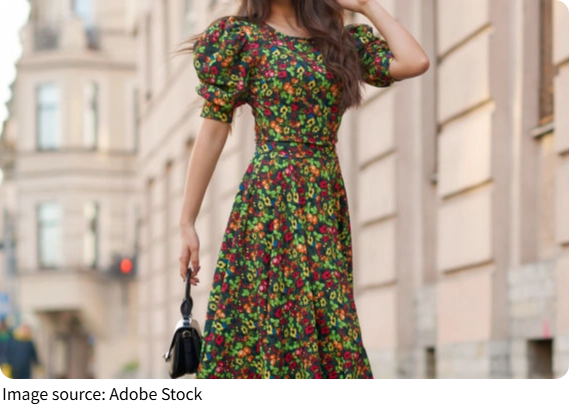
Seasonal Color Choices
Seasons influence both lighting and mood, making them important for color selection.
1. Spring: Fresh tones like peach, mint, and light yellow
2. Summer: Soft and airy shades such as lavender and pale blue
3. Autumn: Rich colors like rust, forest green, and deep orange
4. Winter: Strong contrasts including black, white, and jewel tones
Aligning your dress color with the season creates a natural harmony with the environment.
Building a Versatile Palette
Rather than relying on a single color, developing a small palette improves flexibility.
1. Base colors: Neutral shades for easy pairing
2. Accent colors: Brighter tones to add interest
3. Statement pieces: Unique shades for special occasions
This approach allows you to mix and match without needing a large wardrobe.
A Thoughtful Approach to Style
Choosing dress colors is less about strict rules and more about understanding balance. When you know how tones interact with your features, environment, and purpose, your choices become more intentional.
In the end, the right color does more than complement appearance—it supports confidence. And often, that confidence is what people notice first.
Popular
Stylish Hat Pairings
How to match women’s hats with outfits for everyday fashion
Sunglasses Style Guide
How to match women’s sunglasses with outfits for effortless chic
Wrapped in Style
How to choose and wear scarves for comfort and fashion
Smart Skirt Styling Tips
How to Choose and Style Skirts for Every Occasion, Shape, and Season