Safest Car Colors Revealed
Safest Car Colors RevealedPosted by Amit Sharma on 17-03-2026
On Trend
Driving a car is about judgment, awareness, and control—but surprisingly, the color of the car you choose can also influence your safety.
Behind the aesthetics, research shows that the visibility of a vehicle plays a role in how often it is seen by other drivers, especially in changing light conditions or complex traffic environments.
Choosing a safer color might not prevent all crashes, but it can make your vehicle easier to spot, potentially lowering the chance of an accident.
Across multiple studies and aggregated data, a clear pattern emerges: lighter, high contrast colors tend to be safer than darker, low contrast ones.
How Color Affects Visibility
One of the main reasons car color impacts safety is visibility—how easily other drivers can detect your vehicle against the road and environment. Vehicles that stand out strongly against the background are easier to notice at a glance, which gives nearby drivers more time to react.
According to data driven safety research, black, gray, and silver cars have higher crash risk because they blend into common backgrounds like asphalt, shadows, and cloudy skies. These darker tones absorb light rather than reflect it, making them less conspicuous, especially during dusk and night conditions.
Statistical comparisons show that darker colors can have up to a 12% higher risk of accidents compared to lighter hues.
In contrast, light colored cars reflect more light and create stronger contrast with road surfaces, fields, trees, and other urban scenery. This higher contrast is a key factor in why some colors are linked with fewer collisions.
Safest Car Colors According to Research
Insurance and safety studies commonly identify certain colors as more visible and therefore safer on the road. These include:
White
White cars consistently show the lowest accident involvement rates because they reflect the most visible light and stand out against most environments.
Yellow
Yellow is among the most conspicuous colors to human eyes and is often used for school buses and safety vehicles for this reason. Its brightness increases visibility in both daylight and low light.
Orange
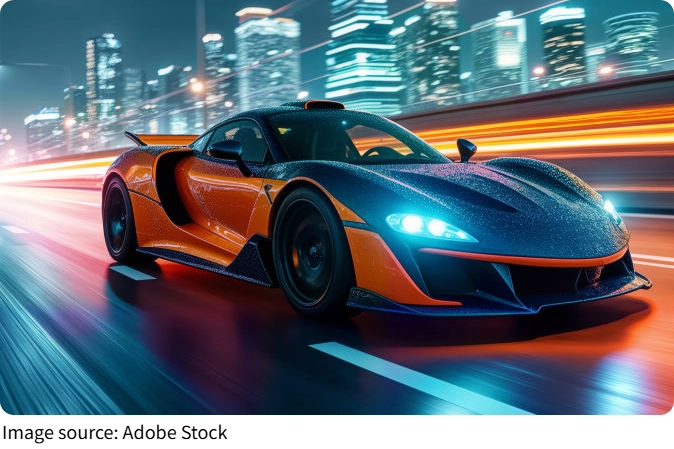
While less common, orange vehicles are eye catching and show good visibility against many backgrounds, contributing to safer detection by other drivers.
Beige / Light colors
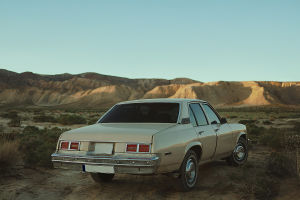
Other light or neutral shades help contrast with surroundings more effectively than darker tones.
These colors tend to remain easier to spot across environments, including rural roads, urban streets, and rainy or foggy conditions.
Colors with Higher Accident Risk
Just as lighter shades perform well in visibility studies, darker colors tend to correlate with higher crash involvement rates:
• Black: Most frequently linked with higher accident rates due to low visibility in low light or shadowy areas.
• Gray: Blends with asphalt and overcast skies, increasing its risk profile.
• Silver: Similar to gray, silver can sometimes reflect light oddly or blend with wet roads.
Other dark tones such as dark blue and dark green are also liable to blend into backgrounds and reduce quick noticeability.
Why Visibility Matters
Vehicle visibility isn't just about bright colors—it's about how other drivers perceive your car at a distance, during lane merges, or at intersections. Higher visibility allows quicker recognition of a vehicle's speed and trajectory, giving other motorists valuable extra time to react.
Improved color visibility can be especially meaningful in transitional light conditions like dawn, dusk, rain, or fog. In such scenarios, strong contrast and reflectivity give drivers an edge in spotting nearby vehicles.
However, it's important to understand that car color alone does not determine safety. Vehicle maintenance, thoughtful driving behavior, road conditions, weather, and traffic patterns are all critical factors in collision risk.
Choosing Wisely for Safety and Style
Many drivers choose car color based on personal preference, resale value, or style. Yet if safety is a priority, considering how visibility affects real world risk provides a meaningful perspective. Brighter, more conspicuous colors such as white, yellow, and orange stand out more easily against complex traffic backgrounds, which can enhance detection by other road users and help reduce crash involvement.
At the same time, dark and neutral tones, while stylish, often deliver lower contrast and may be harder to spot in certain conditions. Knowing these trade offs allows drivers to make informed decisions that balance aesthetics and visibility.
Ultimately, the safest car color is one that helps others see you sooner. Choosing a color that maximizes contrast can contribute to a safer journey—not just a stylish one.
Popular
Safest Car Colors Revealed
Which vehicle hues help drivers stay most visible and reduce accident risk.
Arctic EV Taxis at −30°C
How Oslo and Tromsø cabs stretch range with heat pumps, preheating, and insulation—so you don't freeze or strand.
Safer Riding Through Corners
Master These Cornering Skills to Avoid Common Motorcycle Crashes
Safe Riding in the Rain
Smart Strategies to Keep You Steady and in Control