Urban Cycling for Cities
Urban Cycling for CitiesPosted by Pardeep Singh on 16-03-2026

On Trend
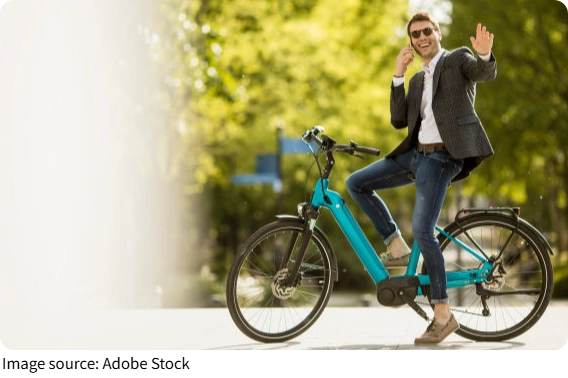
In the hustle and bustle of modern cities, bicycles are quietly reshaping how people move, work, and interact. Urban cycling is no longer a niche trend — it is a transformative force that influences city design, people's lifestyles, and environmental outcomes.
As cities grapple with rising air pollution, chronic traffic congestion, and climate change, bicycles emerge as one of the most accessible and efficient solutions to urban transport problems. Riding a bike has become an intentional choice for commuters, students, and families, transforming daily travel into a healthier, greener experience.
The Role of Cycling in Reducing Traffic Congestion
Urban cycling directly targets one of the most visible challenges of city life: traffic congestion. When commuters shift from cars to bicycles for short and medium distance trips, fewer vehicles invade urban roads — which in turn eases pressure on traffic systems. Dedicated bike lanes, secure bicycle parking, and integrated cycling networks make it practical for people to choose bikes over cars for trips that are often only a few kilometers long.
City planners around the world have observed that prioritizing bike infrastructure helps distribute road space more fairly among all users, not just motorists. Cycling becomes a viable alternative by reconnecting neighborhoods and making short trips faster and more predictable than sitting in a queue of cars during rush hour.
Environmental Impact: Cleaner Air and Fewer Emissions
One of the most compelling reasons for promoting urban cycling is its carbon free operation. Unlike motor vehicles, bicycles produce no exhaust emissions while in use. This characteristic is especially important in cities with heavy automobile dependence, where transportation contributes a large share of greenhouse gas emissions. Encouraging cycling means slicing transportation related emissions by substituting short car journeys with pedal powered trips, which helps mitigate climate change and supports cleaner urban air.
Urban cycling also connects with broader sustainability goals. Studies show that an increase in cycling can significantly reduce citywide emissions and improve overall air quality. Cycling infrastructure, such as bike lanes and bike sharing systems, amplifies these benefits by making cycling a reliable and user friendly option for daily commuters.

Social and Community Benefits of Urban Cycling
Beyond environmental gains, cycling fosters healthier and more engaged communities. Daily cycling encourages physical movement, which has positive effects on well being and fitness. Unlike passive forms of transport, biking raises heart rate and supports cardiovascular health while integrating exercise into daily routines.
Cycling also enhances social interactions. Riders are more connected to their surroundings and fellow pedestrians compared with people enclosed in cars. Bikes bridge distances without isolating riders, helping turn streets into shared community spaces rather than traffic chutes. Events like group rides, local “bike to work” days, and community cycling workshops further nurture social bonds while promoting active living and mutual support.
Infrastructure and Policy: What Cities Are Doing
To make cycling a dependable part of urban life, many cities invest in infrastructure and supportive policies. This includes dedicated bike lanes separated from vehicle traffic, secure bike parking near workplaces and transit hubs, traffic calming measures, and traffic signals optimized for cyclists.
Governments and planners are also integrating cycling into broader mobility strategies. Urban design that incorporates bicycles supports transit connectivity, making multi modal travel — such as combining cycling with buses or trains — more feasible. Public campaigns and incentives, such as free bike sharing programs or community bike events, help more residents adopt cycling as part of their daily transportation habits.
1. Build connected and safe bike networks — protected lanes, crossings, and bike paths.
2. Encourage community engagement — education, cycling events, and incentives.
3. Integrate cycling with transit — secure parking at stations, shared routes.
Reflection: Rethinking Urban Life Through Bicycles
Urban cycling is more than a mode of transport — it is a cultural and environmental shift that reimagines how cities function. Through cycling, people experience city spaces at human scale, with more direct contact with the environment and community. Cycling helps reclaim urban streets from congestion and pollution, making cities more welcoming, healthier, and resilient.
As more individuals and policymakers embrace cycling as a core urban solution, cities can evolve from congested vehicle centric environments to dynamic, active, and sustainable places where people connect more deeply with their surroundings. The bicycle is not just a convenient tool — it is a catalyst for a more livable, equitable, and environmentally conscious urban future.
Popular
Arctic EV Taxis at −30°C
How Oslo and Tromsø cabs stretch range with heat pumps, preheating, and insulation—so you don't freeze or strand.
Safer Riding Through Corners
Master These Cornering Skills to Avoid Common Motorcycle Crashes
Safe Riding in the Rain
Smart Strategies to Keep You Steady and in Control
Must-Have Rider Gear
The Protective Essentials That Can Truly Save Your Ride—And You