Protecting Nature Together
Protecting Nature TogetherPosted by Naveen Kumar on 12-03-2026
Funny Facts

Walking through a local park, you might notice birds singing in the trees or squirrels darting across the grass.
It's easy to take these small encounters for granted, yet countless species are vanishing from our planet every year.
Governments play a central role in safeguarding wildlife and their habitats through laws, protected areas, and coordinated conservation action. For example, landmark legislation like the Endangered Species Act in the United States makes it illegal to harm or harass imperiled animals and plants and requires federal agencies to help conserve the ecosystems they depend on — a key framework for recovering threatened species.
Around the world, nations also work together on international agreements such as the 30 by 30 initiative, committing to protect at least 30 % of Earth’s land and ocean by 2030 to stem biodiversity loss.
By passing laws, creating protected habitats, funding research and restoration programs, and involving communities in reporting and monitoring efforts, governments provide critical structure and resources that make long‑term conservation possible — far beyond what individual citizens could achieve alone.
Establishing and Managing Protected Areas
One of the most direct ways governments help endangered species is by creating safe habitats. National parks, wildlife reserves, and marine sanctuaries give animals a place to live and reproduce without constant threats from human activity.
Examples of effective strategies:
Restrict human access to sensitive zones to prevent disturbance of breeding areas. For instance, some seabird colonies close certain beaches during nesting season.
Fund habitat restoration projects, like planting native vegetation or cleaning polluted wetlands, which gives species the food and shelter they need.
Monitor wildlife populations using drones, cameras, or tagging systems to identify areas that need more protection.
An actionable approach: governments can set up community-supported conservation areas where local volunteers help with maintenance and monitoring, ensuring both ecological and social support.
Enforcing Stronger Wildlife Laws
Laws are only effective if they are enforced. Poaching, illegal trade, and habitat destruction remain major threats for endangered species worldwide. Governments that commit to strict enforcement can significantly slow population declines.
Steps to strengthen enforcement:
Train and equip wildlife rangers to patrol protected zones efficiently.
Establish stricter penalties for illegal hunting or logging to discourage violations.
Collaborate with international organizations to tackle cross-border wildlife crimes.
For example, introducing a hotline for citizens to report illegal wildlife activity allows immediate response from authorities, creating a practical link between law enforcement and the public.
Funding Conservation Programs
Protection requires resources. Governments can allocate budgets for research, breeding programs, and species reintroduction efforts. Without funding, even the best laws or protected areas can fail.
How funds can be used effectively:
Support breeding programs in zoos or wildlife centers that aim to reintroduce species into the wild.
Fund scientific research to understand species' needs, such as diet, habitat, and migration patterns.
Provide grants to local organizations that run educational or conservation projects.
A practical example: a government grant could help a coastal community build artificial nesting sites for endangered turtles, combining conservation with eco-tourism benefits.
Promoting Community Involvement and Education
People are the ultimate stewards of the environment. Governments that involve citizens and schools in wildlife programs see more lasting results. Awareness campaigns, citizen science projects, and volunteer programs help communities understand why conservation matters.
Community-focused initiatives:
Offer workshops for farmers on ways to protect local species while maintaining their crops.
Launch educational programs in schools that include field trips to reserves or hands-on wildlife activities.
Encourage citizen science apps where people can record wildlife sightings, contributing to national databases.
An actionable tip: governments can collaborate with local media to highlight endangered species in their region, fostering a sense of pride and responsibility among residents.
Supporting Global Conservation Partnerships
Endangered species don't recognize borders, so international cooperation is crucial. Governments can participate in global agreements, share research, and coordinate rescue or reintroduction efforts.
Examples of partnership strategies:
Join international conservation treaties to ensure consistent protection across borders.
Exchange knowledge and technology with other countries to improve breeding and tracking programs.
Provide aid to countries that host migratory species, helping secure safe routes for travel.
For instance, governments can sponsor cross-border wildlife corridors, allowing animals like elephants or large cats to move safely between habitats, reducing conflict and increasing survival rates.
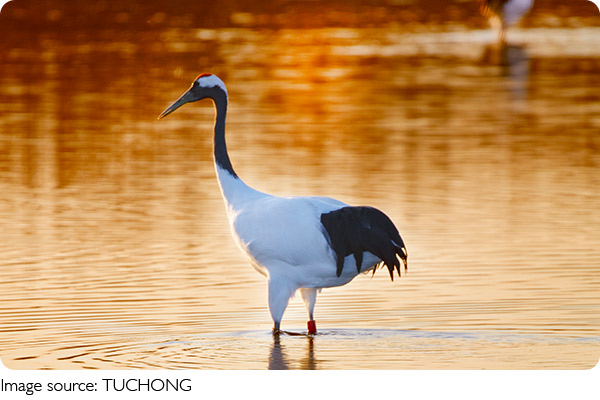
Seeing a fox peek through the trees or spotting a rare bird in flight reminds us why these efforts matter. Governments may set the stage, but it's the combination of laws, funding, habitat protection, and community engagement that truly safeguards endangered species. Every policy, grant, and protected area is a small step toward a world where these animals can thrive.
Popular
Decoding Cat Communication
Understanding What Your Cat’s Signals Really Mean.
Cats Through Human History
From Wild Hunters to Cherished Companions Across Millennia.
Rabbit Mouth Mystery
Why Do Rabbits Keep Moving Their Mouths Nonstop? Discover the Surprising Reasons Behind This Adorable Habit!
Speed, Spots, and Survival
The Speed Specialists of the Animal Kingdom.