How to Pick the Right Bike
How to Pick the Right BikePosted by Finnegan Flynn on 05-02-2026
On Trend
Walking into a bike shop can feel like stepping into a maze of wheels, frames, and gears.
With so many options, it's easy to get overwhelmed. But finding a bike that fits your body, your riding style, and your goals can make every ride smoother, faster, and more enjoyable.
A few smart choices upfront save frustration and improve performance for years.
Determine Your Riding Style
1. Start by considering where you'll ride most often. Road biking, mountain trails, commuting, or casual weekend rides all demand different bike designs.
2. Road bikes are light and efficient for paved surfaces, ideal if speed and distance matter. Mountain bikes offer suspension and wider tires for rough terrain.
3. Hybrid bikes combine features for comfort and versatility, perfect for city streets and light trails.
Example: If you plan to cycle to work on streets and bike paths, a hybrid with fenders and rack mounts can make daily commuting more practical.
Choose the Right Frame Size
1. Frame size is critical for comfort and efficiency. Riding a bike that's too small or large can lead to pain and poor handling.
2. Stand over the bike: you should have 1–2 inches clearance for a road bike and 2–4 inches for a mountain bike.
3. Adjust the saddle height so your leg is nearly straight at the bottom of the pedal movement. Proper reach to handlebars prevents strain on your back and shoulders.
Example: Many shops have sizing charts by height, but test-riding is key—feel how the bike responds and how comfortable the posture is.
Inspect Components and Gears
1. Check the drivetrain, brakes, and suspension if applicable. Smooth shifting and responsive braking are essential for safety and enjoyment.
2. Gears: More gears give flexibility on varied terrain but add weight and maintenance. Choose based on the terrain you ride most.
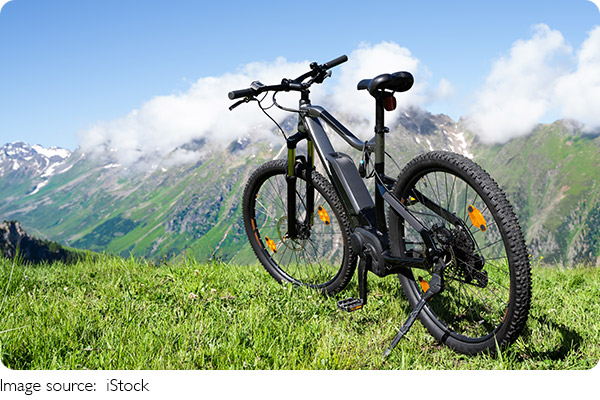
3. Suspension: Mountain bikes may have front or full suspension, while road bikes usually have rigid frames for efficiency.
Example: A mountain rider tackling steep trails might benefit from a full-suspension bike to reduce fatigue and improve control.
Test the Comfort and Fit
1. Sit on the bike and pedal in the shop if possible. Pay attention to handlebar reach, saddle comfort, and overall balance.
2. Check the width of the handlebars and the type of grips; small changes can reduce fatigue over long rides.
3. Consider accessories like padded saddles, handlebar tape, or ergonomic grips for extra comfort.
Example: Even two bikes of the same size can feel very different. Riding for five minutes around the block can reveal posture issues you won't notice sitting still.
Set a Realistic Budget
1. Bikes range from a few hundred to several thousand dollars. Decide on a budget that balances quality, durability, and your intended use.
2. Entry-level bikes are fine for casual riding, but serious riders may need better components to reduce weight and increase reliability.
3. Factor in extras like a helmet, lock, lights, and maintenance tools.
Example: A $500–$800 hybrid can serve daily commuters well, while an advanced $2,000 road bike may suit someone training for long-distance rides.
Maintenance and Longevity
1. Consider how easy it is to service the bike and replace parts. Some brands offer better access to replacement components.
2. Regular maintenance—cleaning the chain, checking brakes, and keeping tires inflated—extends the life of your bike.
3. Test whether local shops can handle repairs and offer spare parts for your chosen model.
Example: A mountain bike with standard components may be easier and cheaper to maintain than one with proprietary suspension parts.
Ending:
Choosing the right bike is a mix of understanding your needs, testing for fit, and investing wisely. When the frame feels right, the gears shift smoothly, and every ride feels natural, you'll know it's the bike for you. The right choice turns cycling from a simple ride into a reliable, enjoyable adventure every time you head out.
Popular
Essential Gear for Hiking
Must-have items to stay safe, comfortable, and prepared on the trail.
Smart Hiking Route Planning
How to map trails that are safe, scenic, and perfectly paced
Mountain Biking Safety Tips
Master rugged trails with confidence and avoid common biking hazards.
How to Pick the Right Bike
Secrets to choosing a bike that fits your style, comfort, and goals