Smart Camping Prep Guide
Smart Camping Prep GuidePosted by Pardeep Singh on 05-02-2026
On Trend
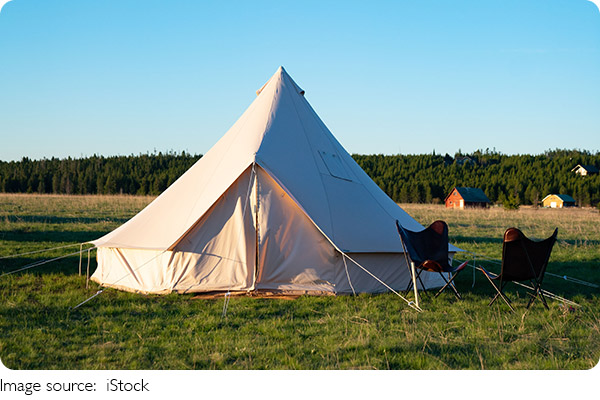
The night before a camping trip always has a certain feel to it.
Gear starts piling up near the door, chargers disappear, and suddenly you're wondering if the weather app can really be trusted.
Good camping preparation isn't about packing everything you own. It's about knowing what actually matters once you're miles from a store and surrounded by quiet. With the right prep, the trip feels lighter, calmer, and a lot more enjoyable.
Choose the right campsite first
Comfort, Safety, Accessibility
Before packing anything, lock in your campsite details. This decision shapes every other choice you make. Look at ground conditions, nearby facilities, and how far you'll be from parking or public paths.
1. Check whether the ground is flat and well-drained. A slight slope can turn sleep into a long night of sliding.
2. Confirm access to water sources or taps. If none are available, calculate water needs early.
3. Review campsite rules on fires, cooking gear, and quiet hours to avoid surprises.
Actionable example: If it's your first trip, pick a campsite with restrooms and marked tent pads. It reduces setup stress and lets you focus on learning the basics instead of solving problems.
Pack shelter and sleep gear carefully
Warmth, Dryness, Rest
A tent and sleeping setup can make or break your trip. Don't rely on guesses—test everything at home.
1. Set up your tent once before the trip. This helps you spot missing poles or confusing steps.
2. Choose a sleeping bag rated for the lowest expected nighttime temperature, not daytime comfort.
3. Bring a ground sheet or footprint to block moisture and add insulation.
Actionable example: Lay out your sleeping pad and lie on it for five minutes at home. If your hips or shoulders feel pressure, add a thin foam layer or switch pads before the trip.
Plan food that's simple and reliable
Energy, Ease, Clean-up
Camping food should fuel your day without creating a mess. Focus on simple meals with minimal tools.
1. Choose dry or shelf-stable items like oats, rice, pasta, nuts, and dried fruit.
2. Prep ingredients at home by portioning them into labeled containers.
3. Plan meals that use the same pan or pans to reduce washing.
Actionable example: Pre-mix breakfast oats with seeds and powdered milk in a zip bag. In the morning, just add hot water and eat straight from the bag.
Prepare clothing for changing conditions
Layers, Protection, Comfort
Weather shifts faster outdoors. Clothing should adapt without taking up too much space.
1. Pack layers instead of bulky items: a light base layer, a warm mid-layer, and a wind-resistant outer layer.
2. Bring one full spare outfit in case of rain or spills.
3. Don't forget sun protection like a hat and lightweight long sleeves.
Actionable example: Roll outfits together instead of folding. Each roll becomes a grab-and-go set, saving time when temperatures change.
Organize tools and essentials
Preparedness, Efficiency, Peace of mind
Small tools solve big problems when you're outdoors. Keep them easy to reach.
1. Carry a headlamp instead of a handheld light so your hands stay free.
2. Bring a basic repair kit with tape, cord, and a multi-use tool.
3. Pack a simple first-aid kit with bandages, wipes, and pain relief.
Actionable example: Store essentials in a single pouch and keep it near the tent entrance. If something happens at night, you won't be digging through bags.
Plan your setup and routine
Flow, Time, Relaxation
Camping feels better when there's a loose plan. Not a schedule—just a rhythm.
1. Set up shelter first, even if you arrive hungry. Weather can change fast.
2. Designate zones: one area for cooking, one for sleeping, and one for gear.
3. Decide on a simple morning and evening routine so nothing gets forgotten.
Actionable example: Always place shoes, light, and jacket in the same spot at night. Morning starts smoother when you don't search for basics.
As the fire dies down and the campsite settles into quiet, preparation shows its value. You're not scrambling or second-guessing. You're sitting still, listening, and feeling present. That calm doesn't come from luck—it comes from thoughtful choices made before the trip even begins. Pack with intention, plan just enough, and let the outdoors handle the rest.
Popular
Essential Gear for Hiking
Must-have items to stay safe, comfortable, and prepared on the trail.
Smart Hiking Route Planning
How to map trails that are safe, scenic, and perfectly paced
Mountain Biking Safety Tips
Master rugged trails with confidence and avoid common biking hazards.
How to Pick the Right Bike
Secrets to choosing a bike that fits your style, comfort, and goals