Healthy Smiles Start Early
Healthy Smiles Start EarlyPosted by Nora on 19-11-2026

Healthy Life
Healthy teeth play an important role in childhood development, supporting comfortable eating, clear speech, and the proper growth of permanent teeth.
Dental care should begin with the appearance of the first tooth, as decay can develop during infancy before visible symptoms appear.
Early childhood caries (ECC) is the medical term for tooth decay affecting the primary teeth of children younger than six. It develops when bacteria in dental plaque produce acids that gradually weaken tooth enamel. Early identification and appropriate care help protect children's teeth and support healthy development.
How Childhood Tooth Decay Develops
Tooth decay results from an interaction between dental bacteria, dietary sugars, tooth structure, and protective factors such as saliva and fluoride.
Dental plaque is a sticky film containing bacteria that collects on tooth surfaces. When children consume sugary foods and drinks, certain bacteria produce acids that gradually remove minerals from enamel. Repeated exposure can eventually lead to cavities.
Several factors contribute to this process:
- Frequent sugar consumption: Regular exposure to sweetened drinks, confectionery, and sugary snacks increases acid attacks on teeth.
- Inadequate brushing: Insufficient cleaning allows plaque to accumulate.
- Nighttime bottle feeding: Frequent exposure to carbohydrate-containing drinks during sleep increases the likelihood of decay.
- Limited fluoride protection: Insufficient fluoride exposure reduces enamel protection.
- Enamel development differences: Some children have naturally occurring enamel defects that increase susceptibility to decay.
Early Signs Parents Should Recognize
Childhood tooth decay may initially develop without discomfort. Parents should look for:
- White or chalky spots: Early mineral loss, particularly near the gumline.
- Yellow or brown discoloration: Changes in enamel appearance as decay progresses.
- Visible cavities: Small holes or damaged areas on the teeth.
- Tooth sensitivity: Discomfort when consuming hot, cold, or sweet foods.
- Changes in eating habits: Reluctance to chew or discomfort during meals.
Swelling around a tooth or the surrounding area, especially when accompanied by fever, requires prompt dental assessment. Swelling accompanied by difficulty breathing or swallowing requires emergency medical attention.
Regular dental examinations are important because early decay may not produce noticeable symptoms.
How Dentists Diagnose and Treat Decay
A pediatric dentist examines the child's teeth, identifies affected areas, and evaluates factors that may contribute to further decay.
The assessment may include:
- Checking for enamel discoloration and cavities.
- Reviewing dietary and brushing habits.
- Evaluating previous dental problems.
- Taking X-rays when clinically necessary.
Treatment depends on the child's age and the extent of the affected tooth structure.
Fluoride Varnish
Professional fluoride varnish strengthens enamel and helps manage early lesions before cavities develop.
Silver Diamine Fluoride
This professional treatment can stop certain active cavities from progressing without conventional drilling. However, it permanently darkens treated decayed areas.
Dental Fillings and Crowns
Fillings restore teeth affected by cavities, while crowns may be recommended when extensive decay requires additional protection.
The dentist selects the appropriate treatment according to the child's individual dental needs.
Daily Habits That Protect Children's Teeth
Prevention begins with simple, consistent routines at home. Fluoride plays an important role in protecting developing teeth. The American Academy of Pediatric Dentistry states: “The AAPD affirms that the use of fluoride in the prevention of caries is safe and effective.”
Brush Twice Daily
Use a soft, age-appropriate toothbrush and fluoride toothpaste:
- Under three years: A smear approximately the size of a grain of rice.
- Three to six years: A pea-sized amount.
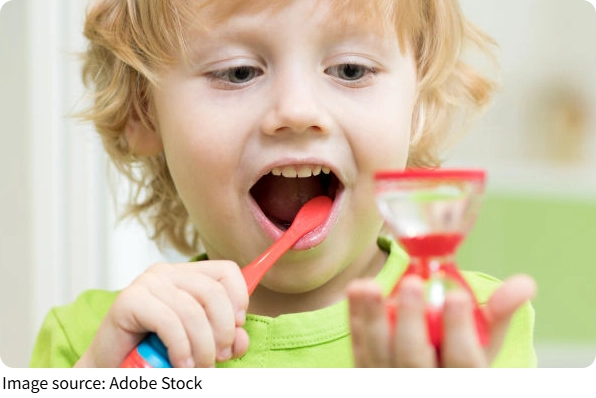
Parents should supervise brushing, apply the appropriate amount of toothpaste, and help children clean all tooth surfaces.
Encourage Balanced Eating
Offer nutritious meals and snacks, including fresh fruits and vegetables. Limit frequent sugary snacks and sweetened drinks, particularly between meals.
Avoid putting children to sleep with bottles containing milk, formula, juice, or other carbohydrate-containing drinks. Water is a suitable choice between meals.
Arrange Early Dental Visits
The first dental appointment should take place within six months of the first tooth appearing and no later than the child's first birthday. Regular visits help monitor dental development and identify early changes.
Follow Professional Preventive Advice
Children may benefit from fluoride varnish and appropriate cleaning between teeth, depending on their individual needs. A dental professional can recommend suitable preventive measures.
Building Healthy Smiles for Life
Protecting children's teeth requires early attention, consistent brushing, balanced eating habits, and regular dental examinations. Parents play an essential role in establishing these routines and ensuring children receive appropriate professional care.
Healthy baby teeth support eating, speech development, and the transition to permanent teeth. Building good dental habits during the early years provides a valuable foundation for lifelong dental health.
Popular
Healthy Smiles Start Early
A Parent’s Guide to Childhood Tooth Decay, Treatment, and Prevention
Balance Through Play
How guided play strengthens coordination, improves posture, and builds confident movement in children
Liquidity Providers
How market makers support trading, earn spreads, and respond when markets become volatile.
Property in Your Plans
Assess how a purchase affects cash reserves, income sources, and long-term financial goals.