Early Skills Last For Years
Early Skills Last For YearsPosted by Arjun on 09-11-2026

Funny Facts
What children learn before they enter elementary school may matter far beyond reading, counting or recognizing colors. New long-term research suggests that teaching social, emotional and language skills in preschool can have effects that remain visible well into adulthood.
Young adults who took part in an enriched preschool program reported fewer depressive symptoms, less loneliness and greater life satisfaction almost 18 years later than peers who attended standard preschool classes.

Preschool Lessons Went Beyond Academics
The study followed children who had attended Head Start programs in Pennsylvania.
A total of 192 children took part in an enhanced program known as REDI, while 164 attended standard Head Start classrooms. All participants already received the benefits of the regular preschool program, but the REDI group was given additional lessons designed to strengthen social, emotional and language development.
Children practiced skills such as sharing, taking turns, recognizing emotions, understanding how their actions affected others and staying calm during conflicts.
Language development was also included because children need words to explain feelings, solve disagreements and communicate clearly.
The Benefits Lasted Into Adulthood
When participants reached the age of 21 or 22, researchers asked about 11 areas of mental health, social adjustment and overall quality of life.
Those who had received the additional preschool lessons reported better outcomes in seven of them.
They described fewer depressive symptoms and lower levels of loneliness and conduct problems. At the same time, they reported greater empathy, stronger emotional support, more life satisfaction and more days when they felt physically and mentally healthy.
Researcher Damon Jones explained that the difference in healthy days was meaningful rather than merely statistical. Participants from the enriched program reported almost two additional healthy days each month on average, which could amount to more than 20 extra healthy days over a year.
Small Skills May Build On Each Other
The findings suggest that early social skills may influence later life through a chain of everyday experiences.
A child who can manage frustration, communicate needs and resolve conflicts may find it easier to build friendships and maintain positive relationships with teachers.
Those experiences can then reinforce confidence, emotional regulation and social support as the child grows older.
Lead researcher Karen Bierman has argued that early childhood is a particularly important period for developing the skills needed for learning, relationships and problem-solving. She noted that despite the many different paths participants took over nearly two decades, the preschool intervention was still associated with better well-being in adulthood.
Teachers Used Real-Life Conflicts
The program did not rely only on formal classroom lessons.
Teachers were also trained to use everyday situations as opportunities to practice the same skills. If two children wanted the same toy, for example, the conflict could become a lesson in negotiation, patience and understanding another person’s perspective.
This may be one reason the intervention had lasting value. The skills were not simply explained but repeatedly practiced in situations children actually encountered.
Earlier follow-ups had already shown improvements in behavior and peer relationships during elementary and high school.
Early Support Cannot Solve Everything
The researchers also found an important limitation.
Children who experienced more difficult events while growing up, including family instability and separation from parents, tended to report poorer well-being as adults regardless of whether they had participated in the enhanced program.
Researcher Janet Welsh therefore emphasized that helping children develop resilience should not replace efforts to reduce the harmful experiences they face in the first place.
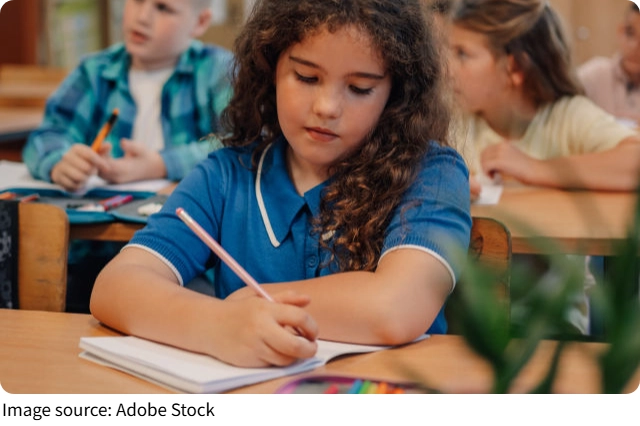
Early Education May Shape A Lifetime
The study does not suggest that a few preschool lessons can determine a person’s entire future.
Instead, it shows that seemingly simple abilities — recognizing emotions, solving problems, communicating clearly and building friendships — may create advantages that continue accumulating over time.
Early education is often judged by academic results. These findings suggest that its longer-lasting legacy may also be seen in something broader: how well people cope, connect with others and feel about their lives many years later.
Popular
ECB Holds After Rate Hike
The ECB raised rates in September but paused in October as inflation climbed and growth risks intensified across the euro area.
Europe's Energy Bill Rises
EU governments have spent billions shielding households and businesses as higher gas and fuel prices return across Europe.
Europe's Winter Energy Gap
Winter energy costs vary dramatically across Europe, with some households paying several times more for the same electricity or gas.
Exercise May Ease Symptoms
Exercise may ease perimenopause symptoms, especially mood, anxiety and emotional well-being.